










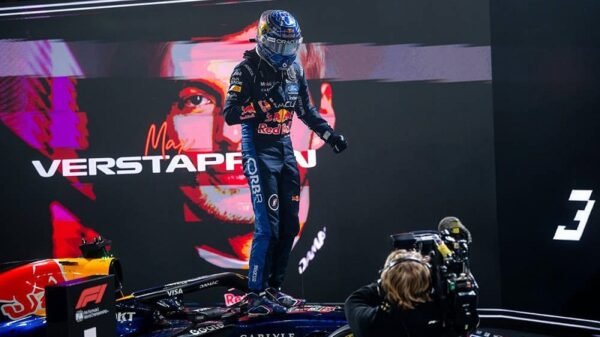
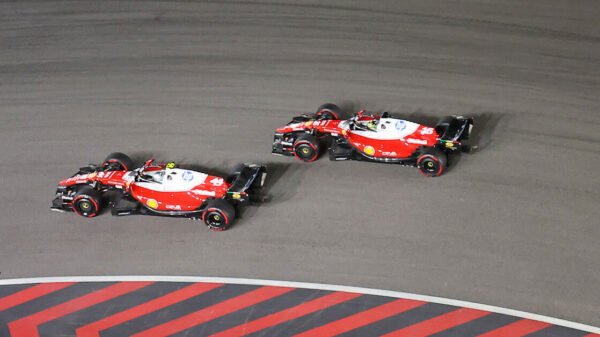












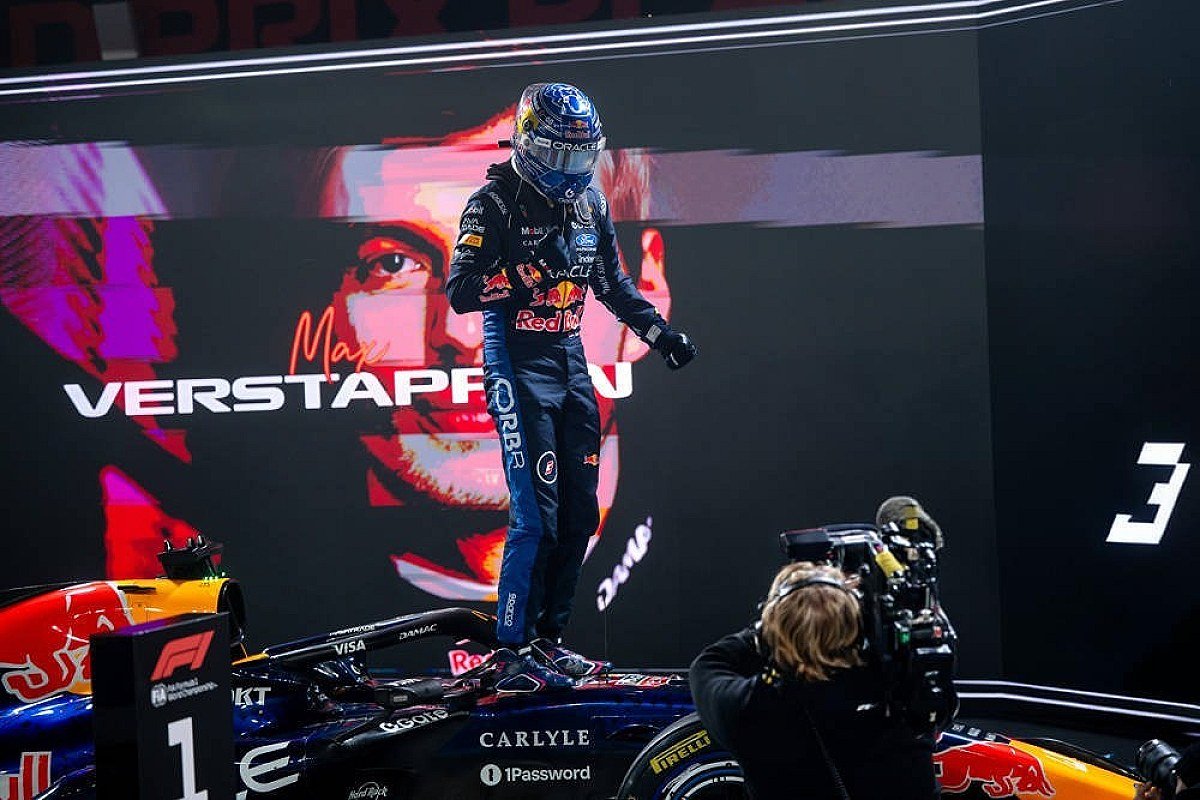
Max Verstappen reignited controversy with a bold comparison of Formula 1’s 2026 regulations to the video game Mario Kart, following his dominant yet frenetic victory at the Las Vegas Grand Prix. The Red Bull driver’s triumph featured a staggering 352 overtakes and 35 lead changes across 50 laps on the Las Vegas Strip Circuit, a spectacle that blurred the lines between high-speed racing and arcade-style chaos.
Technical details of the 2026 regulations
Verstappen’s remarks echoed earlier criticisms he voiced this season, where he described the new rules—featuring a 50/50 electric-combustion power split and boost modes—as “Formula E on steroids” and likened the racing to Mario Kart. When pressed about the last time he experienced such intense position swapping, Verstappen candidly told RacingNews365, “I probably shouldn’t say it. I probably should not. I remember winning one like this when I was playing Mario Kart. Yeah, you know, sometimes you drop back, and you get drafts, and there’s like a catch-up, you know? Always when you’re dropping back, you go faster. So that’s the last time that I felt something like this.”
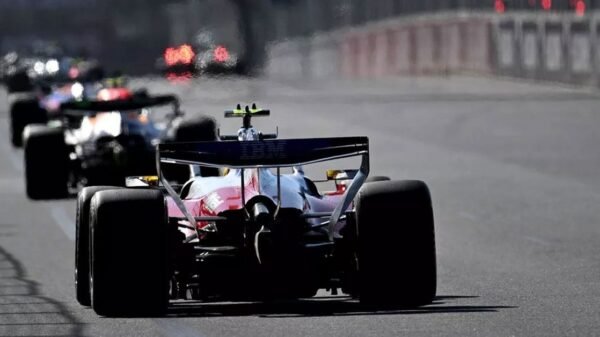
The unique dynamics of the Las Vegas circuit played a crucial role in the spectacle. Classified as an energy-poor track under the 2026 regulations, the long straights drained the 350kW MGU-K battery with minimal heavy braking to recuperate energy. However, the defining factor behind the frenetic overtaking was the universal straight-line mode active aerodynamics system. By reducing drag equally for all cars on the straights, it eliminated the previous single-car DRS advantage, enabling intense slipstream battles.
Intended performance impact of the aerodynamic setup
This aerodynamic setup, combined with the strategic use of overtake mode, allowed trailing drivers to conserve energy in the slipstream and unleash maximum power when the car ahead began to de-rate on the near-2km straight. Verstappen described the challenge of maintaining the lead amid such conditions, saying, “I just didn’t really want to drop back in that pack, so that’s why every time there was a move done, I was always trying to make sure that I had the deployment to then re-overtake or send it back up the inside or outside. That was key for me. I didn’t want to drop back, basically, so I was always quite determined to brake late or whatever to stay in the lead.”
Competitive context and season implications
Verstappen led an impressive 45 laps but admitted the relentless back-and-forth battling felt more like a game than a traditional race. His candid reflections underscore the shifting landscape of Formula 1 racing in 2026, where energy management and aerodynamic innovation are redefining race strategy and fan experience. As the sport navigates these controversial changes, the thrilling spectacle at Las Vegas serves as a vivid preview of what lies ahead.
The development direction appears focused on how teams manage the interplay between the 50/50 electric-combustion power split and the universal straight-line mode aerodynamics. Resource allocation is clearly being directed toward mastering these new energy and airflow dynamics.
What to watch next
The Las Vegas Grand Prix, held on 2026-11-24, provides a clear preview of the challenges ahead. The sport is now in a phase where the impact of these technical changes will continue to be observed as teams adapt to the new parameters.
Considering the emphasis on energy conservation and slipstream utilization, how will the balance between electric energy deployment and aerodynamic efficiency shift in upcoming races?
