





























Max Verstappen has etched his name into the history books at the Las Vegas Grand Prix, securing his 75th Formula 1 victory in a thrilling 50-lap spectacle. While Verstappen celebrated another dominant win, the race also highlighted the razor-thin margins of modern motorsport. Isack Hadjar’s promising charge was ultimately derailed by a catastrophic front wing failure, followed by a post-race penalty, leaving him outside the points. This result solidifies Red Bull Racing’s commanding position at the front of the championship battle, while Hadjar’s misfortune underscores how quickly fortunes can change in this high-stakes sport.
How the Race Unfolded
The 2026 Las Vegas Grand Prix delivered a dynamic narrative from start to finish. Verstappen, known for his aggressive driving style, asserted his dominance early on, leading the charge for much of the event. At points in the race, Verstappen managed to lead a Red Bull one-two, showcasing the team’s overall pace. The race saw several strategic phases, punctuated by the unpredictable nature of on-track incidents. A crucial mid-race Safety Car period provided a key opportunity for tactical shifts among the competitors.
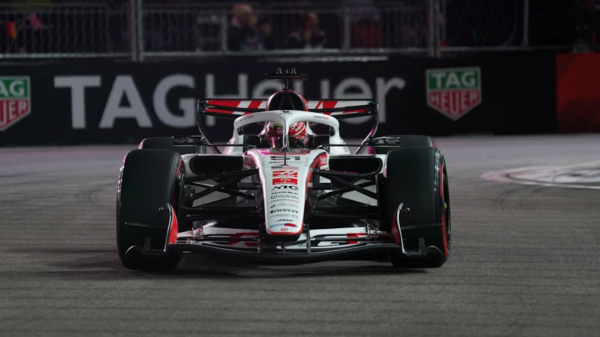
Isack Hadjar demonstrated significant pace, managing to climb into third place following a pit stop during the Safety Car sequence. However, this momentum was abruptly halted. Approaching Turn 5, Hadjar suffered a critical failure as his front wing collapsed. This forced an unscheduled stop and sent the promising young talent tumbling down the order to 14th place.
Key Turning Points
The race was defined by moments of high drama, particularly concerning reliability and adherence to regulations. The initial pit strategy proved pivotal, allowing Hadjar to move up to a top-three position, a testament to his race craft. Yet, the mechanical failure proved insurmountable. The collapse of the front wing was the defining setback for Hadjar, instantly erasing his hard-earned progress.
Compounding the mechanical issue was the intervention of the stewards. Following the race, Hadjar received a 10-second penalty. This penalty was issued because he was determined to have traveled approximately 100 km/h slower than the car ahead while operating behind the Safety Car. This penalty ultimately dropped him outside the points, despite his strong starting position of fourth.
Driver Performances
Max Verstappen delivered another masterful performance, cementing his status as a dominant force in Formula 1. His victory marks his 75th career win, extending a period of consistent success for Red Bull Racing. While Verstappen controlled the narrative, the race also showcased the potential of other drivers. Isack Hadjar, despite the mechanical gremlins and the subsequent penalty, showed flashes of brilliance, moving into the top three before his misfortune struck. The midfield battles were intense, with drivers constantly looking for opportunities to capitalize on strategy or errors from rivals.
Championship Context
Verstappen’s 75th victory further entrenches Red Bull Racing at the forefront of the Constructors’ Championship race. His continued success keeps the team firmly in contention for the overall title. For Isack Hadjar, the experience serves as a sharp reminder of the fragility of championship aspirations. His failure to score points, despite starting in a top-four position, means that both fantasy standings and the official championship battle will see subtle shifts heading into the next event. The takeaway from this race is stark: in Formula 1, a single component failure can completely erase a strong starting position, and the penalty system can compound that loss.
What Comes Next
The focus now shifts to the next Grand Prix in Qatar (Doha). Ahead of this race, Red Bull Racing is expected to dedicate significant resources to analyzing the front wing failure that plagued Isack Hadjar. This technical deep dive will be crucial as the team aims to maintain its competitive edge. The pressure mounts as the championship battle continues to unfold, with every race outcome carrying significant weight.
What do you think is the biggest challenge for Red Bull heading into the Qatar round: maintaining pace or ensuring absolute reliability?
