































The 2026 Formula 1 Las Vegas Grand Prix featured a remarkable 352 overtakes and 35 lead changes, with the top five drivers separated by less than three seconds. However, this spectacular display raises a fundamental question regarding the new F1 regulations: how many of these overtakes stemmed from genuine sporting superiority versus the artificial consequences of differing electrical energy deployment strategies?
Official Details on Race Dynamics
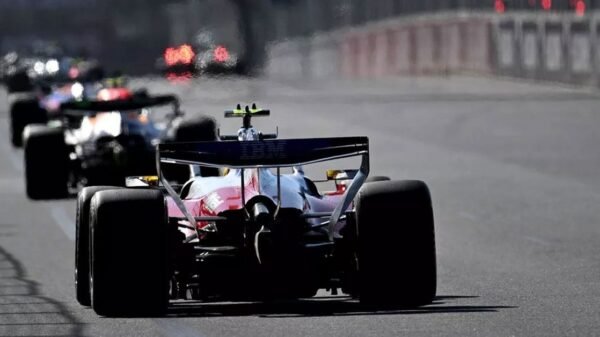
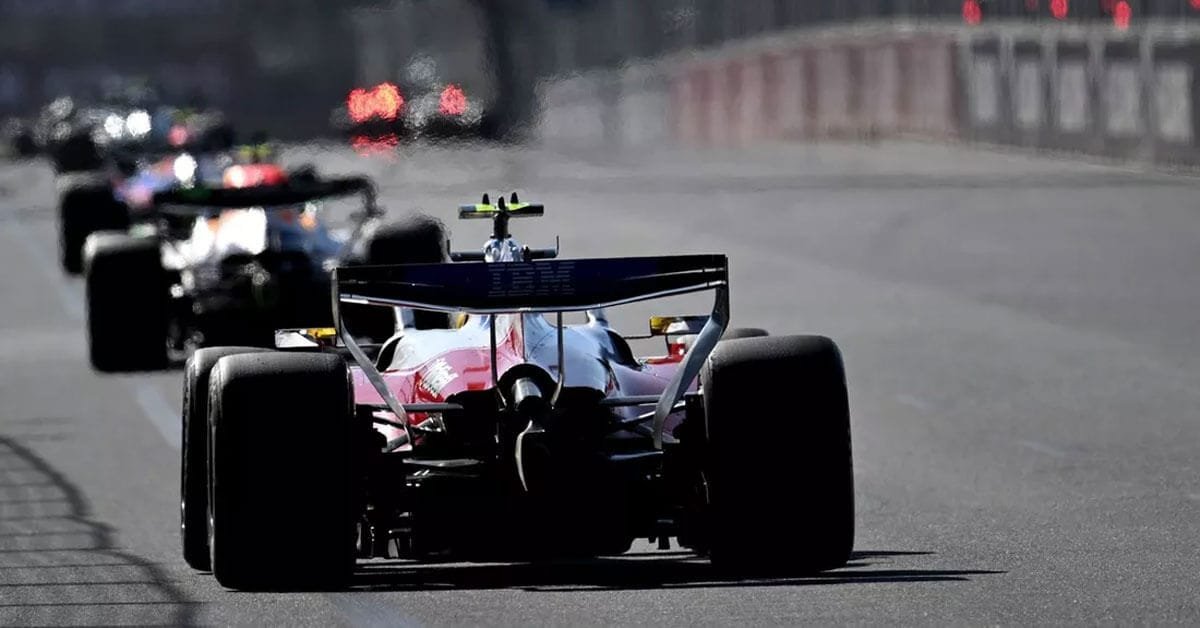
The race in Las Vegas saw an impressive succession of battles, attacks, and counterattacks, transforming the Strip into a constant battleground. Yet, a considerable proportion of the maneuvers were influenced by how drivers managed their electrical energy. Drivers possessing more available energy in specific circuit sections could gain positions, only to lose them when opponents exploited a different power distribution.
Immediate Impact of Energy Deployment
This dynamic resulted in a constant exchange of positions that provided spectacular television but did not necessarily reflect a direct contest between driver ability or overall car performance. The slipstream effect was another contributing factor. During qualifying, Kimi Antonelli demonstrated this, completing an effective lap running less than two seconds behind Arvid Lindblad. In Las Vegas, the performance lost due to turbulent airflow was compensated for by additional speed on the straights.
The comparison with Max Verstappen showed significant differences; Kimi Antonelli gained approximately 20 km/h on the Strip straight, resulting in a combined advantage of about 1.7 seconds relative to the Dutch driver’s benchmark.
During the race, the slipstream acted as a powerful attacking weapon, preventing drivers from establishing large gaps, as any attempt to break away risked being neutralized moments later.
Context: Environmental Factors and Tyre Management
The environmental conditions also sustained the intense competition. With an ambient temperature of just 12°C and a track surface only two degrees warmer, the Las Vegas Grand Prix was favorable for tyre preservation. Normally, following another car for an extended period increases tyre demands, but this was less pronounced in Nevada.
The soft C5 and medium C4 compounds provided good stability, even after numerous laps battling other cars. The circuit’s lack of particularly demanding high-speed corners limited the loads on the tyres. This environment allowed midfield drivers, such as Pierre Gasly and Arvid Lindblad, to become involved in the battle for leading positions, suggesting the technical environment made usual performance hierarchies less influential.
Battery Deployment and Overtakes
The most controversial factor remains energy management. The 2026 Formula 1 power units introduced a dynamic where managing the electrical component became decisive in constructing overtakes. On the long straights, drivers had to distribute energy carefully; conserving battery energy in one sector could yield a significant advantage in the next.
It was common to see a driver overtake at the end of the Strip straight, only to be immediately overtaken at Turn 1 because the rival used a different electrical energy deployment strategy. The detection point for Overtake Mode, located at the exit of the final chicane, held strategic importance, allowing a driver to benefit from an additional 0.5 MJ of energy.
This means the figure of 352 overtakes must be viewed cautiously; not every maneuver resulted from superior braking, a better racing line, or better pace. Many were consequences of differing energy deployment strategies.
Max Verstappen’s Mastery of the Chaos
Against this backdrop, Max Verstappen’s victory holds particular significance. The Dutch driver started from pole and finished first, defending his lead against repeated attacks from George Russell, Isack Hadjar, Lando Norris, and Kimi Antonelli. Verstappen employed an aggressive strategy, systematically preventing opponents from consolidating gains with late braking and decisive maneuvers near Turn 17.
The Dutchman noted that a performance advantage of approximately one and a half seconds was necessary to genuinely break away from the opposition. Verstappen succeeded by controlling a race where energy management and interpreting evolving situations were fundamental.
What Comes Next
While Las Vegas delivered a spectacular result, using the 352 overtakes as definitive proof of the new regulations’ merits would be a mistake. Purists recognize the difference between a genuine wheel-to-wheel battle and an exchange of positions dictated by battery management. Formula 1 should focus not only on the quantity of overtakes but also on their sporting significance.
What metric will the sport use to define the quality of competition moving forward?
