



















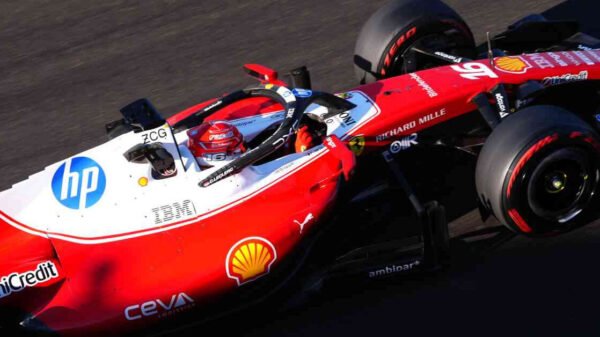
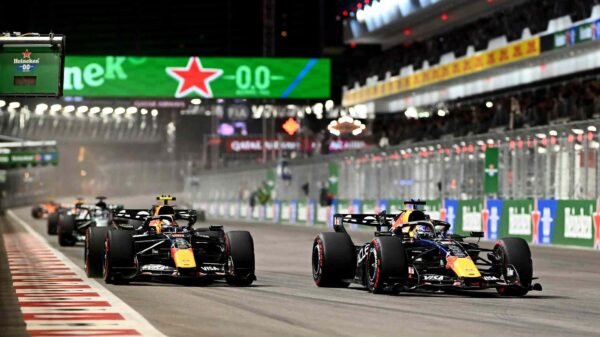

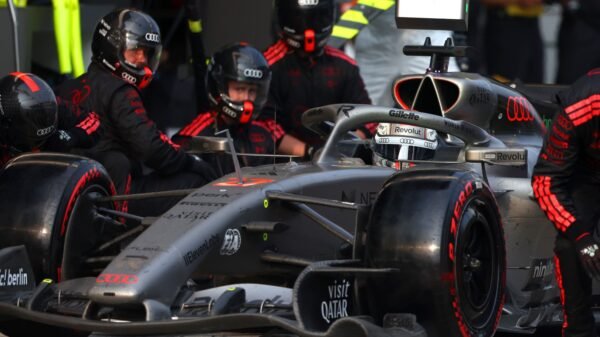













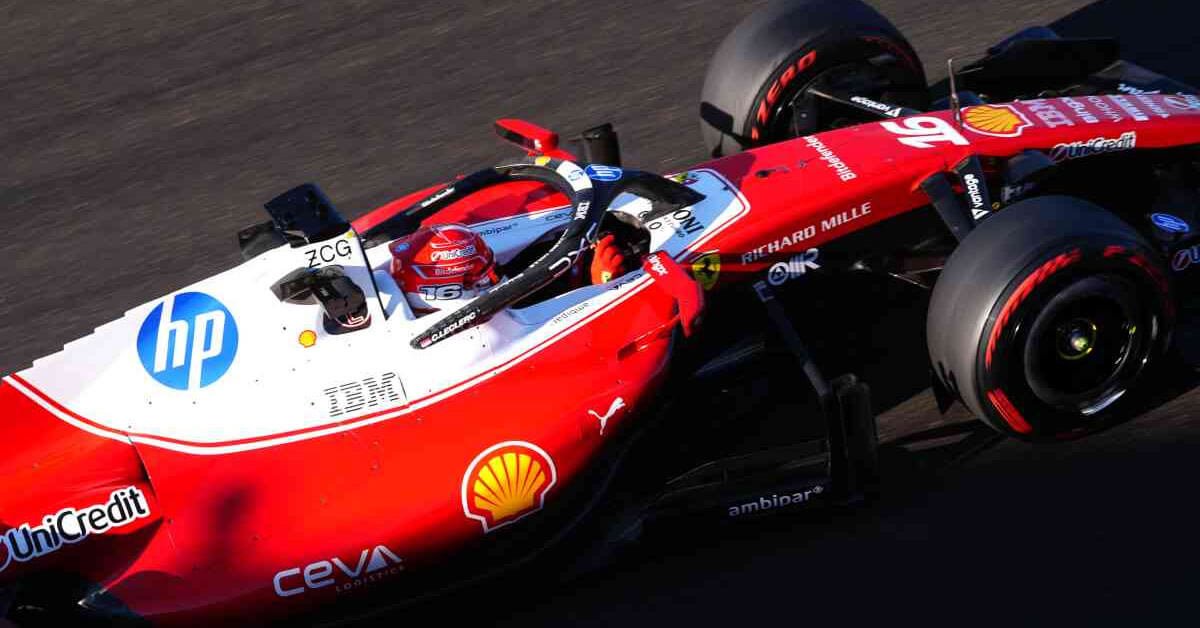
The 2026 Qatar Grand Prix introduces a significant technical hurdle for all Formula 1 competitors, most notably Ferrari and its rivals. The key update is the implementation of four designated Straight Mode zones around the Lusail International Circuit. This change forces teams to confront a complex aerodynamic compromise, as the circuit demands a balance between maximizing straight-line speed in these zones and maintaining stability through its numerous high-speed corners. This setup challenge is crucial because finding the optimal aerodynamic configuration will heavily influence the competitive order.
Technical Details of the Straight Mode Zones
The most notable technical feature at the Qatar Grand Prix is the inclusion of four Straight Mode activation zones. These zones are strategically placed on the main start-finish straight, between Turns 3 and 4, between Turns 10 and 12, and between Turns 15 and 16. Within these specific areas, drivers are permitted to open the rear wing flaps, which serves to reduce aerodynamic resistance. Teams describe this as an opportunity to improve straight-line efficiency. However, the effectiveness of this system must be viewed in the context of the circuit’s overall aerodynamic demands. For teams like Ferrari, Mercedes, McLaren, and Red Bull, the task is to devise an aerodynamic setup that capitalizes on the reduced drag in these sections without incurring excessive performance penalties through the faster corners.
These four zones also introduce new considerations regarding electrical energy management and how each team’s unique aerodynamic package interacts with the system. A setup that excels on the straights may prove less competitive overall if it compromises the necessary cornering stability.
Intended Performance Impact
Lusail International Circuit, stretching 5.419 kilometres and featuring 16 corners, places a strong emphasis on medium- and high-speed performance. Unlike the layout of the Las Vegas street circuit, Lusail is defined by long stretches of flowing bends, making aerodynamic grip, precision, and vehicle stability paramount. While the main straight offers a significant overtaking opportunity, the most demanding sections are elsewhere. Specifically, the sequence between Turns 12 and 14 features three consecutive high-speed right-hand corners that demand sustained aerodynamic stability and consistent grip.
The introduction of Straight Mode allows for a reduction in drag, which theoretically boosts top speed. However, reducing downforce inherently risks compromising the stability and grip needed through the circuit’s demanding corners. Conversely, increasing downforce aids performance through the fast sections but increases drag when operating outside the reduced-drag zones. The objective is not merely achieving the highest top speed, but finding a holistic balance that delivers competitive performance across the entire lap, effectively utilizing the four Straight Mode zones.
Furthermore, tyre management is a critical element. Pirelli has selected the three hardest compounds—C1, C2, and C3—reflecting the significant demands placed on the tyres by the sustained high-speed cornering forces, particularly on the front-left tyre through the fast right-hand sequences. Teams must manage tyre degradation over longer stints, as this will heavily influence race strategy.
Competitive Context
The shift from the technical focus of Las Vegas to the demands of Qatar presents a substantial technical pivot for the grid. Where the previous event leaned heavily on straight-line capability, Lusail requires a comprehensive package combining aerodynamic efficiency, high-speed stability, and robust tyre management. For Ferrari, this weekend offers another critical proving ground to assess how effectively its car manages these competing demands against its principal rivals. The success of any team will hinge on its ability to strike the most effective compromise across the entire lap, rather than focusing solely on peak performance in isolated sections.
Season Implications
This technical challenge dictates the immediate development direction for the remainder of the season. Resource allocation must now be heavily skewed towards optimizing the mid-to-high speed aerodynamics that perform reliably across various downforce settings. The ability to manage the transition between high-drag, high-downforce cornering modes and low-drag, high-speed straight modes will define competitive advantage. For Ferrari, this weekend is a vital data validation phase, testing the robustness of their aerodynamic package under extreme, varied load conditions.
The interplay between the Straight Mode zones, the high-speed corners, and the selection of hard tyre compounds means that race strategy will be as complex as the car setup. Teams must balance the potential gains from drag reduction against the risks associated with managing tyre wear under intense lateral forces.
What to Watch Next
As the season progresses, the data gathered in Qatar will inform the development trajectory for upcoming races. We will be watching closely to see which teams demonstrate superior adaptability—those that can not only exploit the Straight Mode zones when available but also maintain exceptional stability when they are not. The coming races will serve as further tests of this aerodynamic versatility.
Given the complexity of balancing drag reduction against cornering stability, how will teams manage the energy deployment systems to ensure the aerodynamic benefits of Straight Mode are maximized without compromising the electrical management required for cornering stability?
