

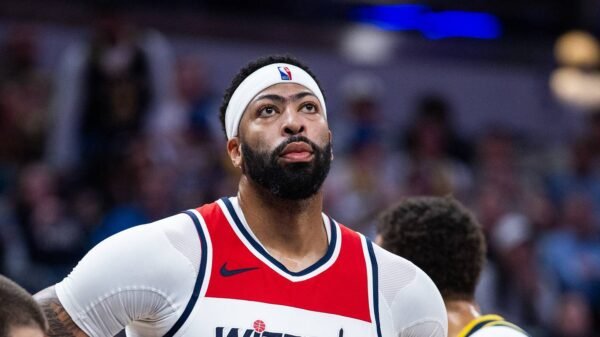









The Washington Wizards’ management braintrust, which seemed rooted in logic and patience during their rebuilding phase, is now facing scrutiny as their recent roster moves are tested against the realities of a loaded league. Despite their initial vision, the team’s early season attempts to find footing have revealed oversights in their rotation, making the outcomes of their summertime choices a subject of review.
How the Game Unfolded Through Roster Decisions
The Wizards’ recent decisions, made since July, offer a mixed bag when compared against preseason expectations. The team’s strategy involved developing pieces without seeking shortcuts to success, a philosophy that has been put to the test in the opening month of play.
The re-upping of Jamir Watkins on a two-way deal initially appeared to be a “total steal.” The second-round-drafted rookie was noted as a ready-made defender with the physicality and maturity needed for the team’s plan. However, his season was cut short when he tore his ACL just one game into his NBA Summer League return. Washington decided to retain him, hoping he will be ready for another two-way agreement in 2027. Despite this, his services remain missed, even as the team attempts to recreate that defensive spark through Reece Beekman.
Turning Points in Roster Construction
Several high-profile decisions have shaped the team’s outlook. The extension of Trae Young through the decade’s end was a move that “didn’t make quite so much sense at the time, and it’s aged about as poorly as we could have imagined.” While Young remains capable of high assist totals, he is viewed as athletically diminished for dominating scoring roles. He is set to pick up a $58 million player option at the end of the four-year, $212 million agreement. Despite this, his contribution has been noted, as “the slumbering 3-ball’s begun slowly coming around,” and he is accepting a role as the fourth scorer behind Anthony Davis, Kyshawn George, and AJ Dybantsa.
The trade involving Jaden Hardy and fringe assets for Deandre Ayton was viewed through a “buy-low logic” lens, as Ayton was not expensive. However, his performance since his Wizards debut has been underwhelming, with his nightly points dropping to 3.6, compared to averaging upward of 15 points over eight previously-healthy seasons. The team’s preference for floor-spacing and perimeter defenders over a third big has seen Ayton’s inclusion not meet expectations.
Standout Performances and Talent Evaluation
The draft spoils have provided a source of recent decision-making success for the franchise. AJ Dybantsa has performed as advertised, and his play has been enhanced since the team began running offense through him rather than confining him to the corner. Taking the BYU wing to lead the draft was considered a comfortable decision, given his flashes as a “downhill scorer, playmaker and disruptive hustler.”
In the realm of veteran additions, Khris Middleton’s return via a sign-and-trade has proven valuable. Despite appearing athletically spent recently, he has contributed both on and off the court. His veteran influence was instrumental in initiating a three-game win streak after he led a players-only meeting to awaken the locker room. He has averaged 19 minutes over the group’s last five outings as an off-ball playmaker and shooter.
The team’s decision to pass on Bilal Coulibaly’s extension has appeared beneficial so far. Coulibaly has struggled, hitting only six of his 36 three-point attempts, and the franchise is better off waiting until restricted free agency to evaluate his role as a full-time reserve.
The Future Outlook and Remaining Pieces
The Wizards have also made moves regarding depth and roster stability. In an effort to add backcourt depth, Washington traded Julian Reese and Cam Whitmore for a flier on Tre Mann, a move deemed acceptable even though Mann has not yet established himself as a regular for head coach Brian Keefe.
Anthony Gill remains with the team for a seventh tour, valued not for his rebounding but for his “galvanizing behind-the-scenes influence,” which contributes to locker room stability. The team’s reliance on veterans is evident as they attempt to move from “basement-dwellers to scrappy upstarts.”
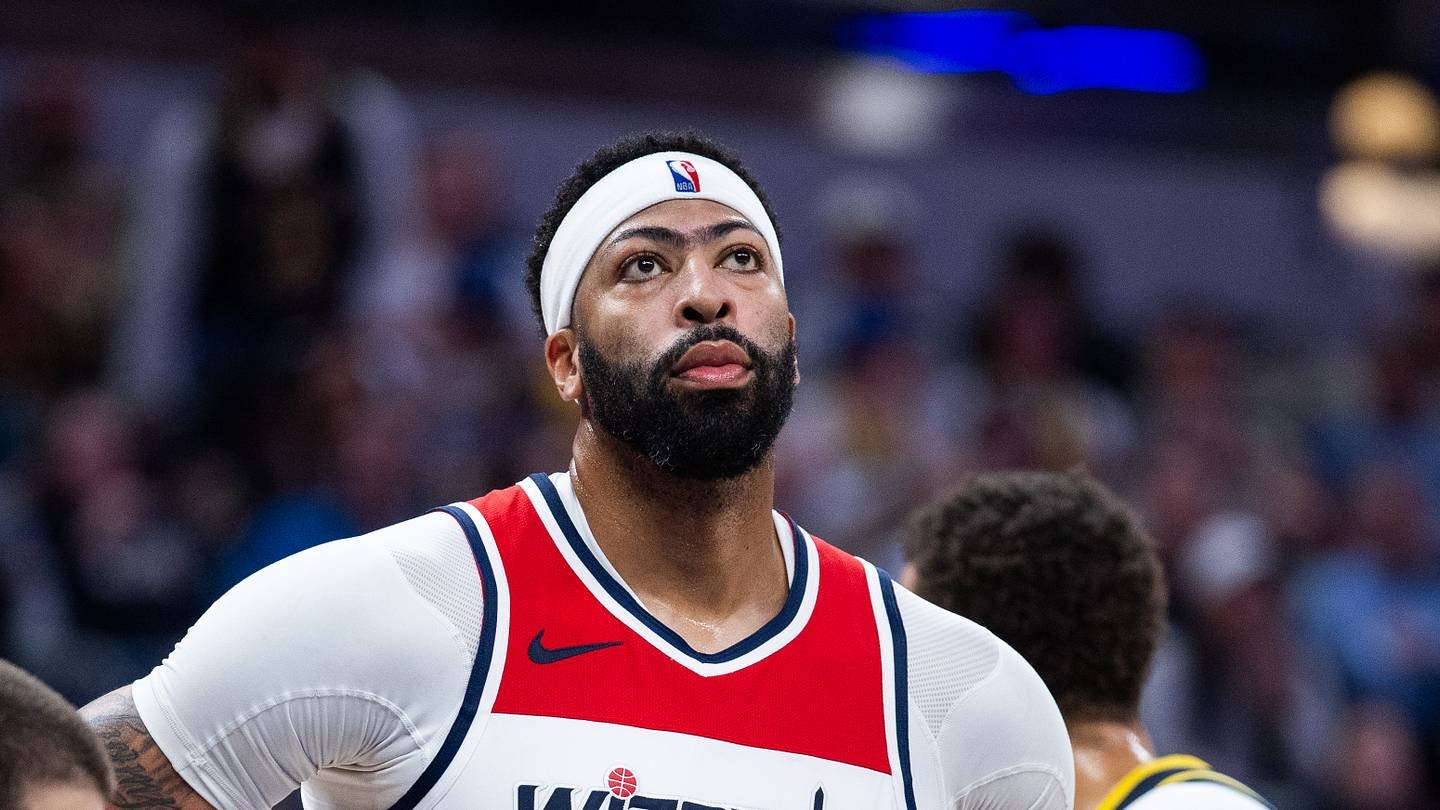
For Anthony Davis, his 25-point-per-game average is seen as leverage for his near-future extension negotiations, as the team seems more focused on riding out his current form.
The Wizards are set to face their upcoming matchup after these roster adjustments, continuing to navigate the challenges of building a competitive squad.
Considering the mixed results from the various roster moves, which decision—the extension of Trae Young or the acquisition of Khris Middleton—has provided the most immediate positive impact on the team’s trajectory?
