






























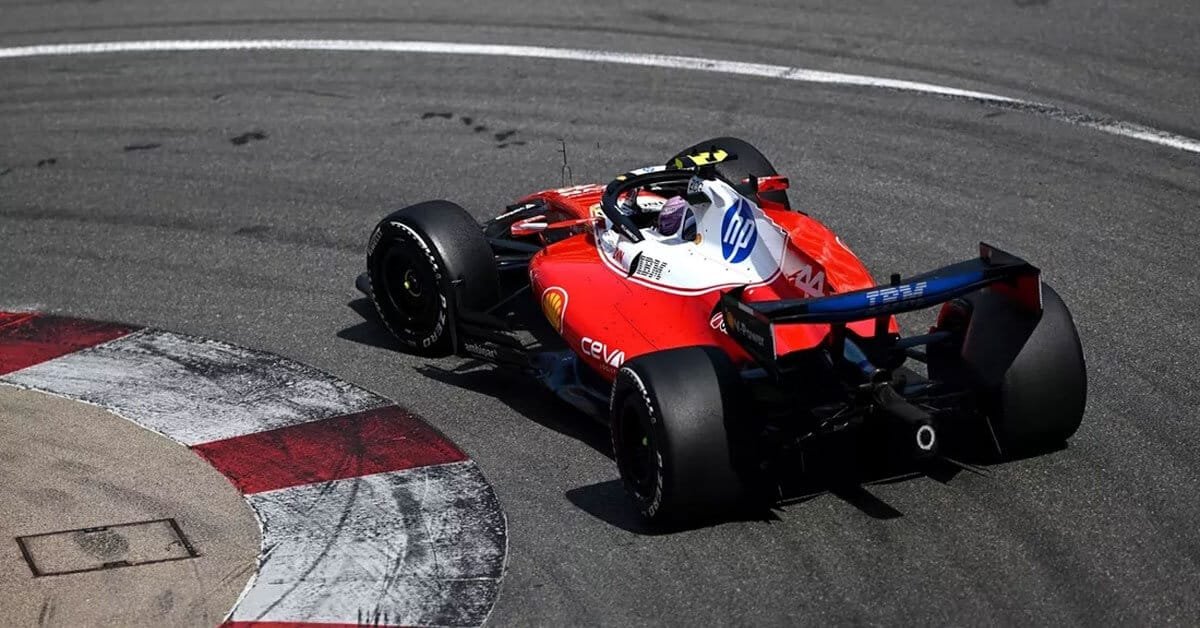
Formula 1 is preparing for a major engine revolution, with the FIA and F1 evaluating the return of turbocharged V8 engines in 2030 alongside a reduced electrical power component. These proposed changes follow growing concerns over the 2026 technical regulations, which have frequently restricted drivers’ ability to exploit their talent because of the complexity of power unit energy management.
Technical details of the proposed engine shift
The sweeping regulatory changes introduced in 2026 have faced criticism. Excessively complex power units and demanding energy management requirements have often dictated how drivers approach a lap, limiting their freedom to push the car to its full potential. The proposal for the 2030 Formula 1 technical regulations предусматриes the introduction of 2.1-litre turbocharged V8 engines, accompanied by a less prominent electrical power component. Retaining the turbocharger is described as a compromise designed to accommodate the requirements of engine manufacturers, particularly Audi and Honda. Furthermore, the proposed change in power unit philosophy is consistent with Ferrari’s preference for reduced electrical power and simpler energy management in the 2030 regulations.
Intended performance impact and driver freedom
The current complexity has forced compromises on the track. Speaking in Las Vegas, Isack Hadjar highlighted the difficulties encountered during the opening months of the 2026 Formula 1 season, noting, “The beginning of the year was extreme. It was literally like this: you drive faster through the corners and then pay the price on the straights.” The shift aims to restore a balance where energy management does not penalise drivers. George Russell supports maintaining a degree of hybrid technology in Formula 1’s future power units, stating, “You need some form of hybrid system because it is not possible to generate the necessary power exclusively with the combustion engine.”
Competitive context and regulatory evolution
The current limitations have prompted a potential acceleration of the existing timeline. These difficulties could accelerate Formula 1’s proposed return to V8 engines, currently targeted for 2030, one year before the existing regulatory cycle is naturally scheduled to conclude. Max Verstappen has welcomed the potential change in direction, suggesting that the FIA has finally understood the concerns raised by Formula 1 drivers throughout the season.
Season implications and future development
The central objective of Formula 1’s planned 2030 engine revolution is to rediscover the balance between technological innovation and driver talent. This aims to give drivers greater freedom to demonstrate their abilities without abandoning technological development. The focus remains on ensuring that energy management does not ultimately penalise those capable of pushing their cars beyond the limit.
What to watch next
As the sport moves toward these significant technical shifts, the focus remains on how the balance between technology and driver talent will be achieved in the 2030 regulations.
Given the ongoing discussions about the 2030 engine philosophy, how will the implementation of the reduced electrical power component affect the overall competitive dynamics between manufacturers like Audi and Honda?
