

















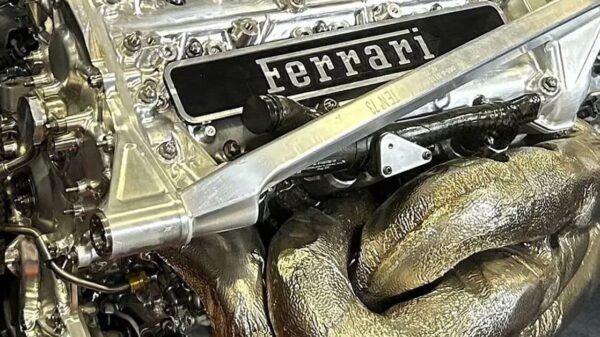














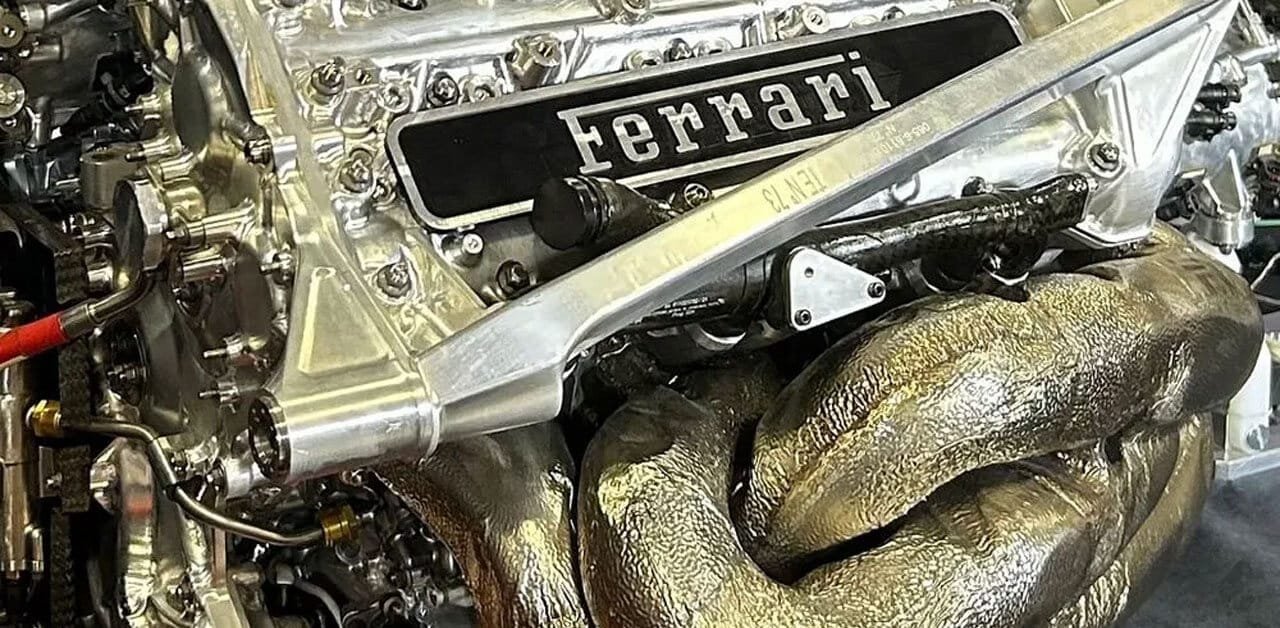
Ferrari’s Formula 1 power unit business reportedly generated €94 million in revenue in 2025, underscoring the significant commercial value of the technology developed at Maranello. While on-track performance remains key to Scuderia’s sporting goals, supplying engines to customer teams is becoming an increasingly vital component of Ferrari’s broader business strategy.
Official Details of Power Unit Revenue
According to figures revealed by Marc Limacher, Ferrari generated €94 million in revenue in 2025 solely through the commercialisation of its power unit technology packages. This amount incorporates advance payments already received for engines developed under the new generation of Formula 1 technical regulations.
This financial result highlights the economic importance of supplying power units to customer teams, which complements Ferrari’s direct involvement in the championship via its factory team. Engine supply agreements are a strategically valuable source of commercial revenue for the Italian manufacturer, extending beyond the sporting implications of its power unit development.
Impact of Current Partnerships and Potential FIA Changes
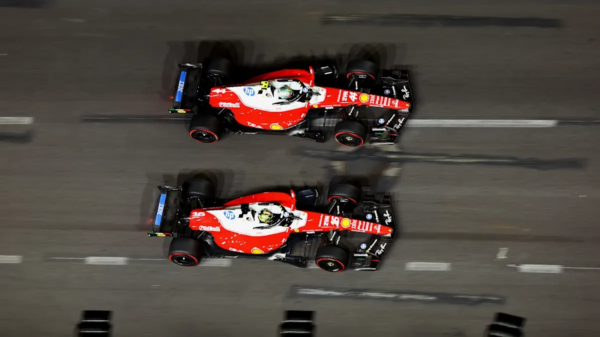
Ferrari currently supplies power units to Haas and Cadillac, with both teams benefiting from the technology developed at Maranello. These partnerships enable the Italian manufacturer to spread development costs while securing a stable revenue stream. For the customer teams, this arrangement grants access to a competitive Formula 1 engine without the necessity of independently investing in the complex and expensive process of designing and developing an entire power unit.
The FIA is reportedly considering introducing a regulation that would limit the number of teams permitted to use the same power unit to just two, including the manufacturer’s own factory team. The stated objective of this potential regulation is to encourage greater engine diversity across the Formula 1 grid and prevent an excessive concentration of technological power among a small number of manufacturers.
If approved, such a regulation would directly impact the commercial strategies of Formula 1 power unit manufacturers, potentially compelling them to reconsider their existing supply agreements and the number of customer teams they support. For Ferrari, which currently supplies engines to two customer teams in addition to powering its own cars, this regulatory shift could carry significant implications for its engine supply business.
Long-Term Strategy and Future Steps
Despite its current technical partnership, Cadillac has established its long-term Formula 1 direction. From 2030, the American team will be powered directly by General Motors. This transition signifies the official arrival of General Motors as a Formula 1 power unit manufacturer and represents a natural evolution for the Cadillac project, as the American operation aims to become a fully fledged constructor competing with an in-house developed power unit rather than relying on an external supplier.
The balance between commercial revenue, sporting regulations, and long-term industrial strategies will continue to shape the Formula 1 engine supply landscape in the coming years. With its reported €94 million in power unit revenue during 2025 and its existing partnerships with Haas and Cadillac, Ferrari remains a major player in this evolving commercial and technological landscape.
What will the final FIA decision be regarding the limit on power unit usage?
