



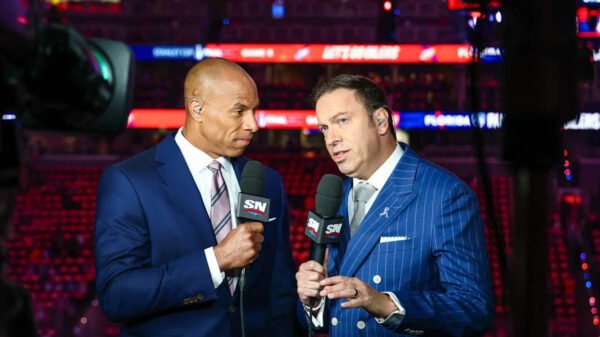

Will Buxton has raised serious concerns regarding Charles Leclerc’s racecraft at Ferrari, suggesting that his collision with Lewis Hamilton at the 2026 Las Vegas Grand Prix indicates a deeper, recurring issue. The Formula 1 broadcaster believes there is a pattern of selfish behavior from Leclerc during his tenure at Maranello, extending beyond his relationship with the seven-time world champion.
Buxton identifies recurring issues with Charles Leclerc’s racecraft
Speaking on the Up to Speed podcast, Will Buxton argued that the situation at Ferrari has evolved beyond a simple disagreement over rules of engagement. In his assessment, mutual respect between teammates and the quality of Leclerc’s racecraft have become central issues. Buxton stated that while he previously held Charles Leclerc’s racing abilities in high regard, the frequency of similar incidents has prompted him to reconsider that assessment, especially following footage of previous confrontations with Ferrari teammates resurfacing after the Las Vegas events.
Looking back at Leclerc’s partnerships with Sebastian Vettel and Carlos Sainz, the broadcaster identified several instances where he believed the Monegasque demonstrated selfish tendencies. His primary concern was that Charles Leclerc seemed to repeatedly overlook the wider consequences of his actions for the team.
Buxton also noted his uncertainty regarding how Ferrari could resolve the situation, pointing to Lewis Hamilton’s intervention asking his teammate to back off as evidence that the Italian team has not established an effective framework for cooperation between its drivers.
Las Vegas collision intensifies pressure on Fred Vasseur
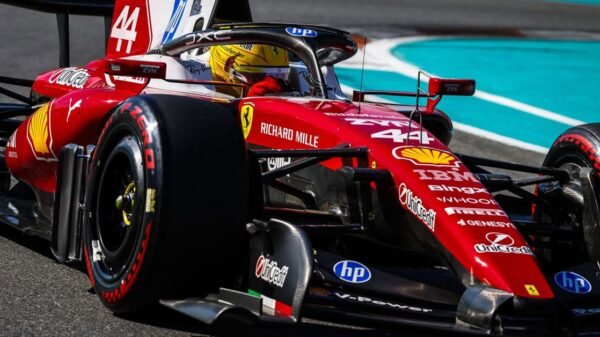
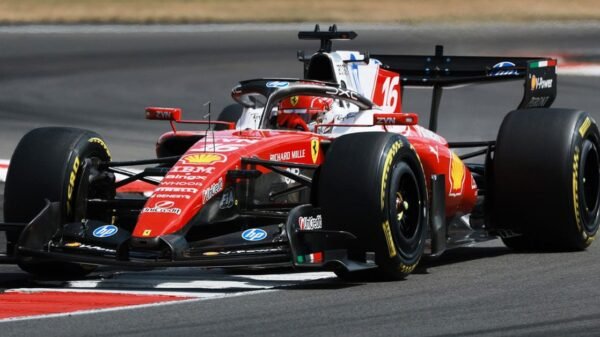
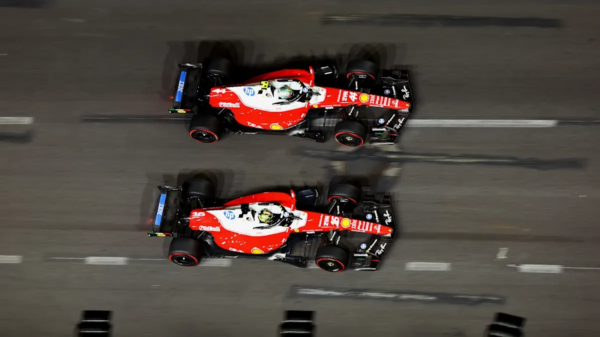
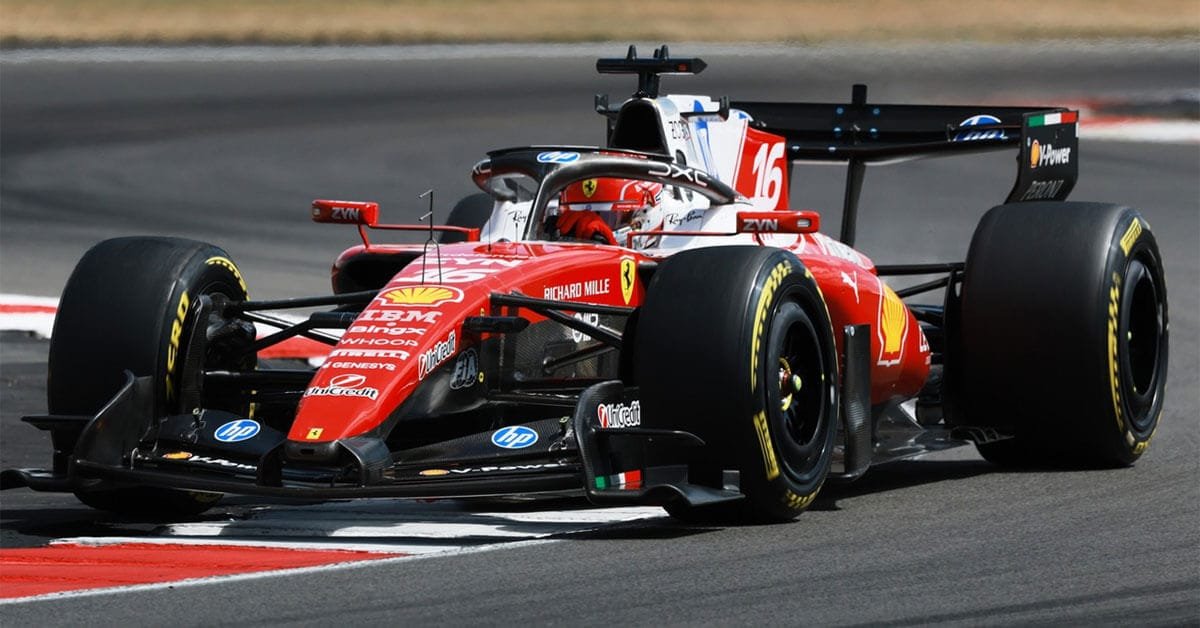
The confrontation on lap 38 of the Las Vegas Grand Prix was the latest example of Ferrari’s internal competition causing damaging consequences. Charles Leclerc attempted to overtake Lewis Hamilton during a chaotic race, resulting in contact that sent both SF-26 cars spinning. The Monegasque subsequently received a 10-second time penalty for his involvement in the collision.
This incident followed another controversial battle at the Mexico City Grand Prix, where Leclerc’s aggressive approach on the opening lap cost Lewis Hamilton a potential opportunity to challenge for victory. Fred Vasseur’s frustration was evident; the Ferrari team principal was reportedly angry during the team debrief and used the radio immediately after the Las Vegas race to summon Charles Leclerc for a discussion.
The French manager, already under considerable pressure, now bears the added responsibility of preventing further confrontations between his drivers, a challenge made significant by Vasseur’s admission regarding the unexpected escalation of the Ferrari teammate rivalry.
Hamilton’s arrival challenges Leclerc’s long-standing status
Beyond the immediate fallout from the Las Vegas collision, the growing rivalry raises a fundamental question about Charles Leclerc’s position within Ferrari and his role in the team’s long-term ambitions. Since joining the Scuderia in 2019, Leclerc was widely regarded as the driver around whom Ferrari could build its return to championship-winning success, becoming the central figure in the team’s long-term project.
However, the recruitment of Lewis Hamilton presented the most significant challenge to that established position. As a seven-time world champion with his own ambitions, the British driver was never likely to accept a secondary competitive role at Maranello. Although Lewis Hamilton has maintained that he never requested number one driver status at Ferrari, his presence has challenged the assumption that Charles Leclerc would automatically be the team’s leading championship contender once the car produced a title-winning performance.
The path forward for Scuderia Ferrari
The reported tensions within Ferrari suggest that Charles Leclerc’s recent approach to racing his teammate is consistent with a driver who recognizes his previously established position within the team is no longer guaranteed. For Ferrari, the challenge extends beyond preventing another collision; the team must find a way to reconcile the individual ambitions of its two drivers with its collective objective of returning to championship-winning form, ensuring internal competition does not become an obstacle to the success both drivers are pursuing.
What steps will Fred Vasseur take to manage the relationship between his two drivers?
