











Lewis Hamilton concluded the 2026 Las Vegas Grand Prix in seventh place, a result that fell short of his expectations. However, the narrative emerging from the event is far more complex than the final classification suggests. While the Scuderia endured a difficult weekend, Hamilton appears to have secured a victory of a different nature—a significant political gain within Ferrari. This development is crucial as the intensifying rivalry between Hamilton and his teammate, Charles Leclerc, casts a long shadow over the future direction of the team.
How the Race Unfolded
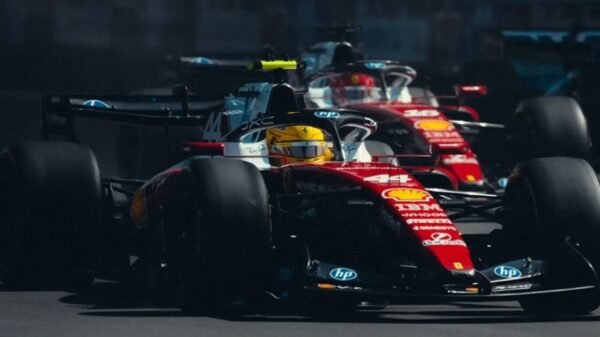
The Las Vegas Grand Prix was characterized by moments of high tension interspersed with periods of relative calm, particularly for Lewis Hamilton. The SF-27 experienced challenges on the exceptionally long straights that define the Sin City circuit. While the race lacked many dramatic overtakes, two incidents involving his Ferrari teammate, Charles Leclerc, became the defining moments of the day.
The first notable incident occurred on lap 17, resulting in a severe ten-second penalty for Lewis Hamilton. This penalty threatened to derail his race entirely, but it was mitigated by the timely deployment of the Safety Car, which was brought out following Sergio Perez’s retirement.
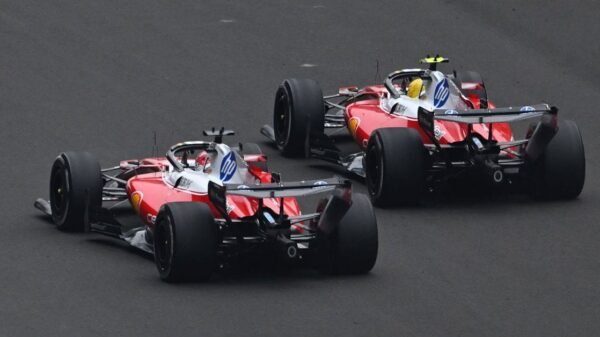
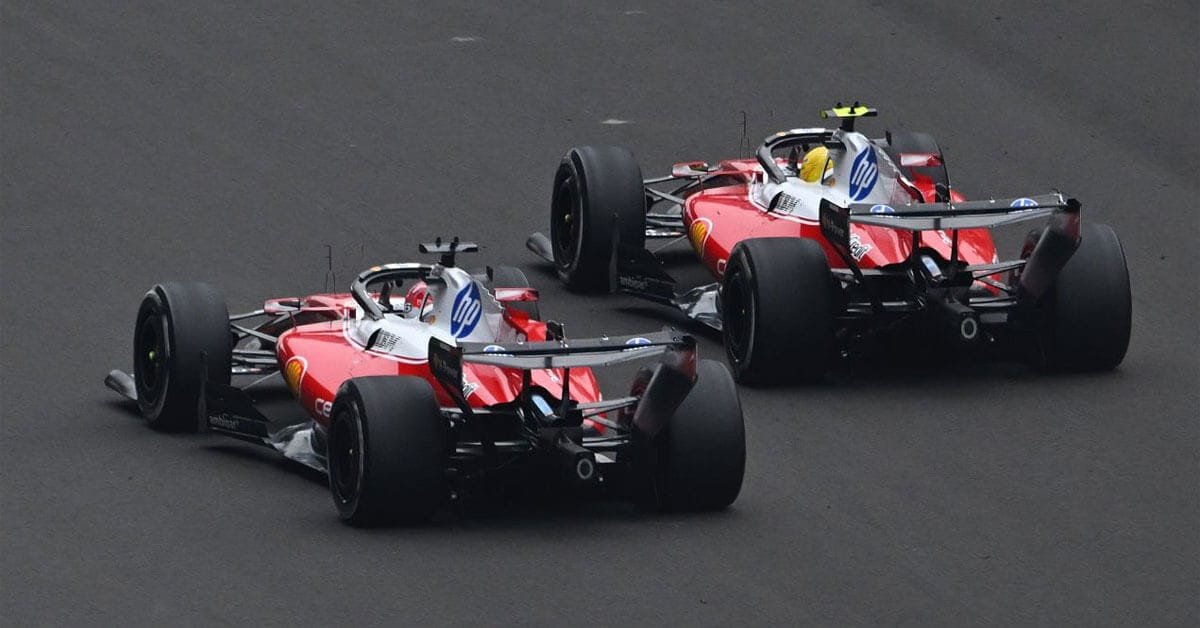
The pivotal moment, however, arrived on lap 38. During this lap, Charles Leclerc made contact with Lewis Hamilton, causing the British driver to spin. This collision proved to be the turning point, not only for the immediate outcome of the race but potentially for the internal power dynamics within Ferrari.
Key Turning Points
The race was marked by several critical junctures, with the on-track battle between the two Ferrari drivers being the most consequential. The incident on lap 38 stands out as the defining turning point. This collision shifted the internal balance of power at Ferrari, providing Hamilton with what many observers view as a political advantage, regardless of his sporting finish.
While pit strategy was a factor in the overall race dynamic, the direct contact between Hamilton and Leclerc overshadowed any strategic advantage or disadvantage. The resulting penalty and the subsequent collision created a narrative arc that extends far beyond the checkered flag, influencing perceptions of leadership and team hierarchy.
Driver Performances
Lewis Hamilton’s performance, while ultimately yielding a seventh-place finish, was framed by his composure following the on-track events. In stark contrast to the palpable frustration surrounding the Scuderia after a difficult weekend, Hamilton maintained a relaxed and calm demeanor during post-race interviews.
When pressed about the need for clearer rules of engagement between teammates, Hamilton echoed the sentiment of team principal Fred Vasseur. Speaking to Sky Sport F1, the seven-time world champion stated, “Ferrari has to decide whether rules are needed. I did everything I could, I said what I needed to say and even more. I can do my job and give everything, but what happens behind the scenes is not up to me.” This response effectively redirected the responsibility for managing the internal situation to Ferrari’s leadership.
Hamilton also addressed questions regarding any unresolved issues with Charles Leclerc. He responded calmly, asserting, “I really don’t know. It seemed to me that everything was fine, and personally I have no problem. I’m happy to work with him and to remember that when we’re on track, we’re not just driving for ourselves but for everyone in the team.” His focus remained firmly on the collective goal, emphasizing the team’s fight against rivals like McLaren for the Constructors’ Championship.
Championship Context
The significance of these events is amplified by the ongoing battle for second place in the Constructors’ Championship. This fight is a major ambition for Ferrari, and the internal dynamics between Hamilton and Leclerc provide crucial context to that struggle.
Hamilton’s measured approach—shifting the focus from personal dispute to collective team responsibility—allowed him to leave Las Vegas with a strengthened standing within the organization. While the sporting result was underwhelming, his handling of the controversy suggests a growing influence within the Maranello structure, positioning him favorably as Ferrari plans for the next season.
What Comes Next
As the season progresses, the focus for Ferrari will undoubtedly be on consolidating its position in the Constructors’ standings. The internal dialogue between its top drivers will continue to be scrutinized, with the team needing to navigate the competitive landscape while managing internal pressures.
For Hamilton, the political capital gained in Las Vegas could provide a more stable platform moving forward, allowing him to concentrate purely on maximizing performance in the upcoming races. The team’s focus areas will likely revolve around translating this newfound internal stability into tangible results on track.
What do you think the long-term impact of the Leclerc-Hamilton dynamic will be on Ferrari’s championship aspirations?
