








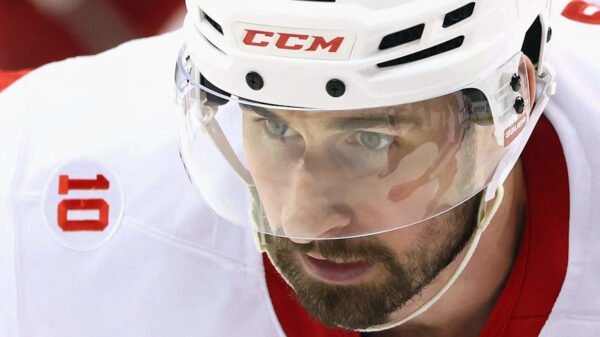

















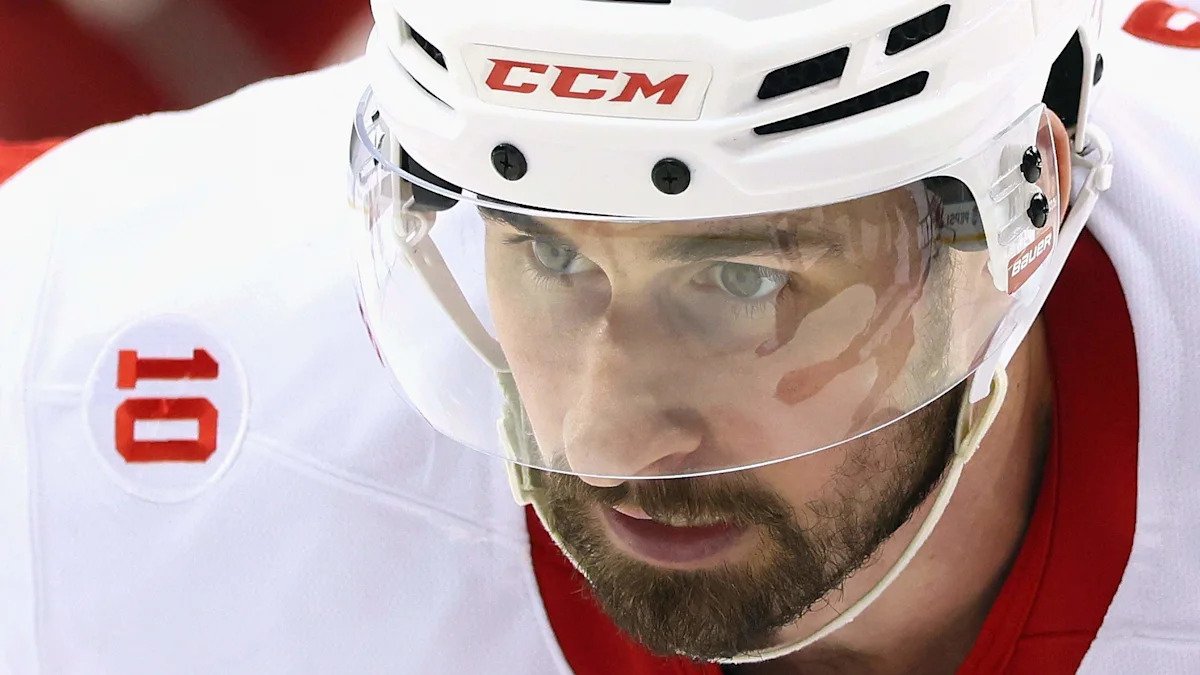
The Minnesota Wild’s pursuit of Dylan Larkin from the Detroit Red Wings has taken a significant turn based on recent reports. A potential trade package, involving young talent and salary cap relief, could finally bring a top-tier center to the Wild, fundamentally shifting their playoff outlook.
How the Trade Landscape Shifted
The viability of acquiring Larkin hinged on a recent adjustment in the Red Wings’ trade philosophy, according to Elliotte Friedman. Initially, the Red Wings were seeking a player of similar caliber in return for Larkin.
However, Friedman noted that the Detroit organization has become more flexible. They are now reportedly willing to consider impactful, young players as compensation, specifically indicating they are not interested in draft picks.
This shift is viewed as a major boon for the Wild, transforming a distant possibility into a much more tangible opportunity for the organization.
The Proposed Package and Its Implications
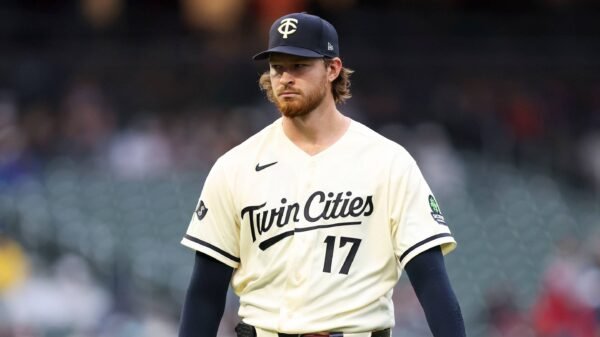
A specific trade structure has been put forward: the Wild would send Danila Yurov and Ryan Hartman to Detroit, alongside a 2028 third-round draft pick.
Under this scenario, the Wild would acquire Larkin while retaining 50% of his salary, which would grant the organization $623,000 in immediate salary cap space.
This move would allow for internal roster adjustments, potentially allowing Joel Eriksson Ek to move into a role better suited to his skill set, effectively replacing Hartman with Larkin in the top-six forward group.
Defining the Potential Impact
The potential impact of Larkin on the Wild roster is considered massive. Securing a player of his caliber would elevate the team’s ceiling significantly.
The narrative suggests that this acquisition would push the Wild beyond a mere playoff lock status, transforming them into a genuine contender for the 2027 Stanley Cup.
The addition of a top-six forward like Larkin is seen as the missing piece needed to solidify their championship aspirations.
Roster Dynamics and Outlook
The trade package puts the Wild ahead of several other teams that might have been interested in Larkin. The combination of young assets and the salary cap relief makes the pitch highly competitive.
The ability to land Larkin at a discount, coupled with the roster flexibility it provides, changes the internal calculus for the Minnesota management.
This potential move signals a serious commitment from the Wild to build a deep, elite core around players like Kirill Kaprizov and Matt Boldy.
What Comes Next
The focus now remains on the ongoing dialogue between the two organizations to see if this proposed structure can be finalized.
The next steps involve monitoring how the Red Wings evaluate the value of the assets presented against their current needs.
The immediate tactical question to watch is how the Wild would integrate Larkin’s specific strengths into their existing offensive structures.
Given the reported flexibility from Detroit, what adjustment should the Wild focus on in their negotiation strategy to maximize the value of the young players they offer?
