







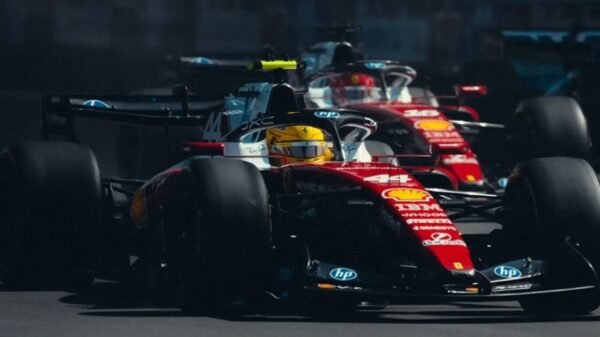
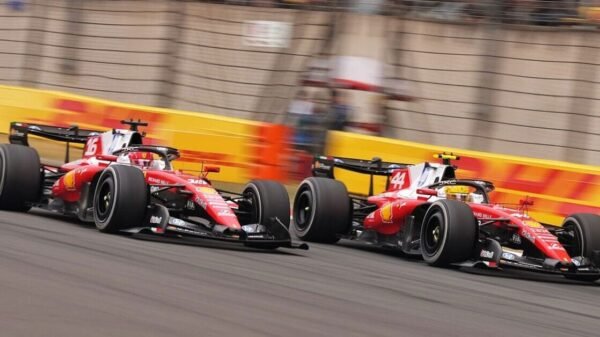
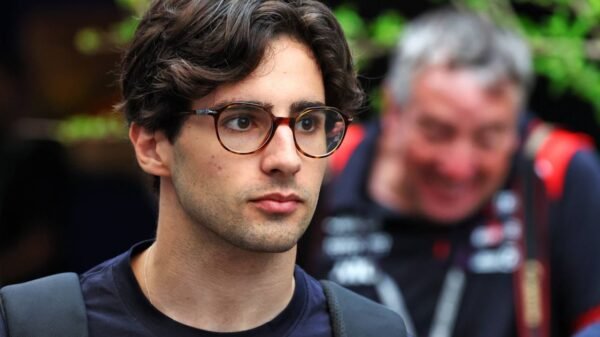
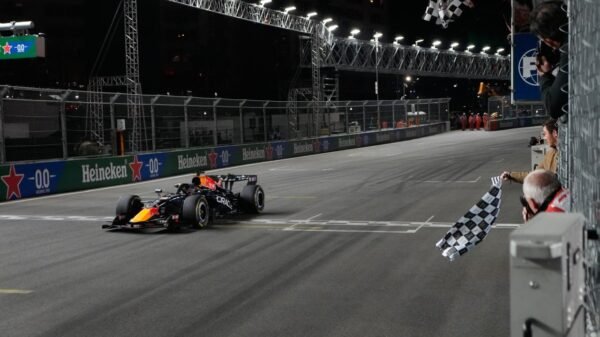






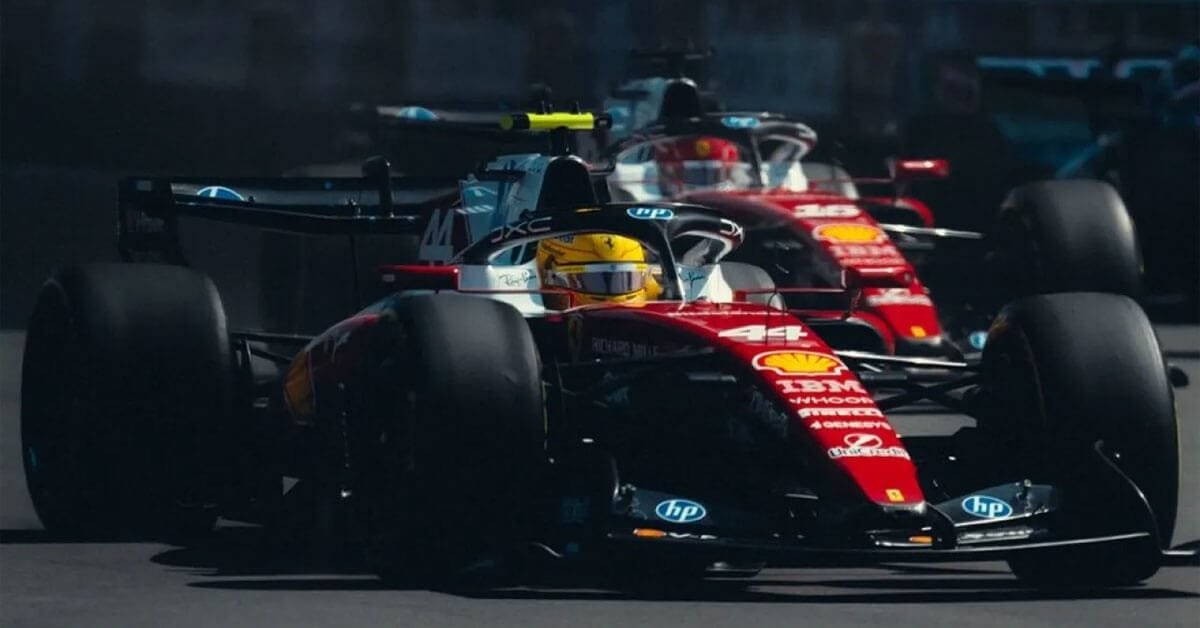
The 2026 Las Vegas Grand Prix delivered a weekend fraught with drama, not just on the track, but in the post-race analysis. While the overall race saw significant on-track action, the narrative surrounding the collision between Charles Leclerc and Lewis Hamilton took a fascinating turn. Following the race, Sky Sports analyst Anthony Davidson reconsidered his initial judgment regarding the incident, suggesting that the Monegasque driver may not have been afforded sufficient space by his teammate during the wheel-to-wheel battle. This incident, which resulted in a 10-second penalty for Leclerc, adds another layer of complexity to the already tense dynamic between the two Ferrari drivers.
How the Race Unfolded
The 50-lap Las Vegas Grand Prix was characterized by considerable on-track action, but the weekend was marred by incidents involving the Italian team. The collision between Leclerc and Hamilton added to an already frustrating outing for Ferrari. While the race featured moments of high drama, the focus quickly shifted to the penalties handed out to both Ferrari drivers. Lewis Hamilton received a 10-second penalty for overtaking Lando Norris beyond the track limits, while Charles Leclerc incurred his sanction later in the race following the contact with his teammate.
Key Turning Points
The collision itself was a major turning point, not only for the race result but for the team’s internal stability. Initially, during the live broadcast, Anthony Davidson believed Hamilton had recognized the late overtaking attempt and made an effort to give his teammate room, placing the responsibility squarely on Leclerc. However, after reviewing the footage more closely, Davidson’s perspective shifted. He noted that the space available on the inside during the corner negotiation was smaller than initially perceived. He argued that Leclerc was forced into an increasingly awkward position, attempting to avoid being squeezed by moving his Ferrari over the kerb before the impact occurred. Although Davidson conceded the overtake involved risk, he felt there was an opportunity for Leclerc to complete the move, suggesting the initial assessment of sole responsibility was too simple.
The penalties imposed by the stewards—a 10-second penalty for Leclerc and another for Hamilton—highlighted the contentious nature of the weekend’s driving. These sanctions came amidst pre-existing tensions between the Ferrari drivers, stemming from an earlier confrontation in Mexico City where Hamilton had expressed anger over Leclerc’s aggressive racing.
Driver Performances
Charles Leclerc accepted the 10-second penalty during his post-race media appearance, stating that receiving the sanction meant he had done something wrong and deserved it. However, his response carried a tone of reluctance, reflecting the underlying frustration surrounding the costly incident between the teammates. Immediately after the race, Leclerc was instructed by team principal Fred Vasseur to report directly to him, a request strongly suggesting the seriousness of the on-track battles that needed immediate discussion.
Lewis Hamilton also faced scrutiny, receiving a penalty for track limits infringement. The differing interpretations of the Leclerc-Hamilton incident underscore how nuanced wheel-to-wheel battles can be, with positioning and available space heavily influencing the perception of fault.
Championship Context
The penalties and the internal friction within the Scuderia cast a shadow over Ferrari’s season. The incident adds another episode to the increasingly difficult relationship between Leclerc and Hamilton. The performances and results of both drivers throughout the season are viewed through this lens of internal rivalry. Furthermore, concerns about the long-term impact of this driver rivalry have been voiced by observers, such as James Hinchcliffe, who has raised warnings about the situation heading into 2027.
It is important to note that while Anthony Davidson’s revised opinion offers a more complex view of the contact, it does not alter the official penalty imposed on Charles Leclerc. For Ferrari, the sporting outcome remains unchanged: both drivers faced penalties, and the team must continue to address the aggressive nature of its drivers competing against each other.
What Comes Next
The focus now shifts to the next Grand Prix, where the team will need to manage the fallout from this difficult Las Vegas weekend. The immediate priority for Ferrari will undoubtedly be addressing the internal dynamics between its two drivers, following the directive from Fred Vasseur. Team focus areas will likely center on managing driver relations while maintaining competitive pace.
Considering the intense scrutiny on the Ferrari pairing, what do you believe is the most critical factor for the team to address: on-track aggression or internal communication?
