















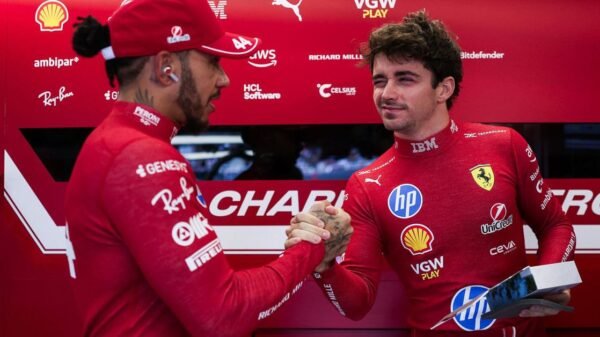
















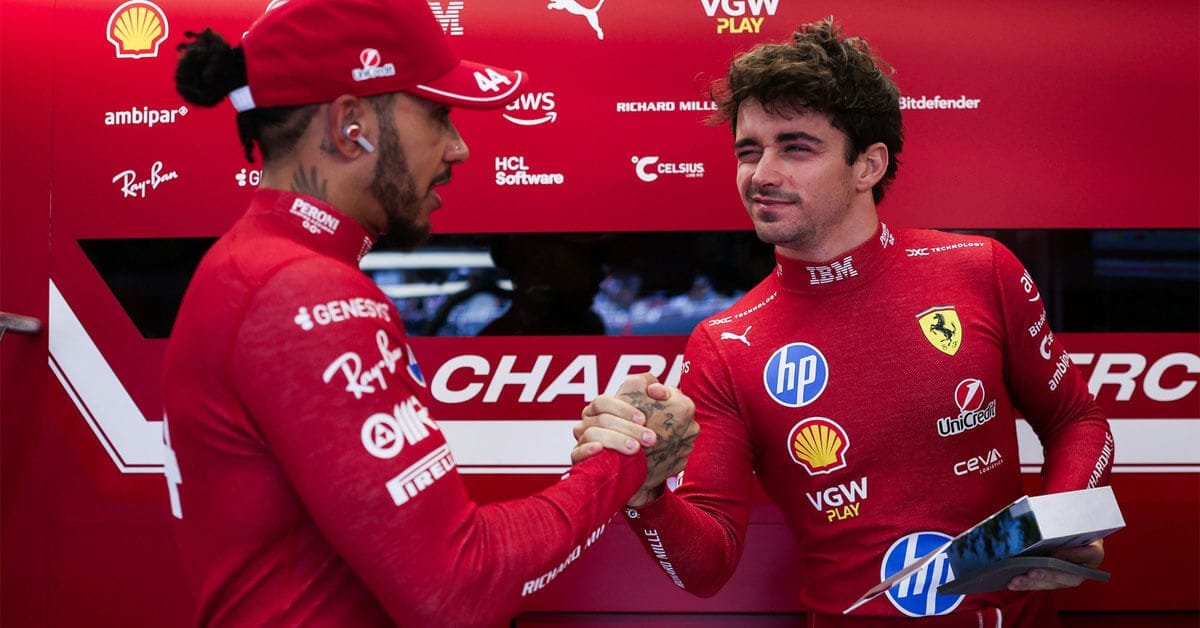
Formula 1 analyst Matteo Bobbi has raised significant concerns regarding Ferrari’s management of its star drivers, Lewis Hamilton and Charles Leclerc, following their collision at the 2026 Las Vegas Grand Prix. While Bobbi assigns more responsibility for the incident to Lewis Hamilton, his primary focus is on what he perceives as a deeper organizational crisis: Ferrari’s apparent loss of control over its high-profile employees. This commentary is timely as it highlights persistent tensions between the two drivers, echoing concerns voiced by team principal Fred Vasseur.
Official Details of the Concern
Matteo Bobbi’s assessment centers not on assigning blame for the contact, which he states carries relatively little weight at this stage, but on the team’s overall authority. Bobbi echoed the seriousness of Fred Vasseur’s reaction to the Las Vegas incident. He argued that the Scuderia currently possesses virtually no control over its two key employees, a situation he finds extremely worrying, especially given the high salaries of the drivers involved.
Bobbi specifically noted that the issue extends beyond the single collision. He stated that this lack of control has reportedly been ongoing for several months, positioning the situation as a critical organizational problem for the Maranello team.
Immediate Impact on the Team Dynamic
The immediate impact of this scrutiny is the renewed spotlight on the Ferrari teammate rivalry. Bobbi’s comments underscore the sensitivity surrounding the relationship between Hamilton and Leclerc, particularly as they continue to battle directly on track. The analysis suggests that the team is struggling to manage the dynamic between its two most important personnel.
While Bobbi personally believes Lewis Hamilton bears more responsibility for the collision—suggesting Hamilton moved toward Leclerc, even if Leclerc was slightly on the kerb—the broader implication is a systemic issue within the team’s structure and leadership.
Context of Recent Developments
This analysis builds upon the visible tensions surrounding the partnership. The Las Vegas collision served as a flashpoint, bringing to the fore existing concerns about how Ferrari manages its top talent. Bobbi’s perspective frames the incident not as an isolated racing controversy, but as a symptom of a larger, unresolved internal challenge within the organization.
Why This Matters for the Future
The significance of Bobbi’s critique lies in its potential implications for the competitive landscape heading into the 2027 season. If a team cannot maintain clear operational control over its primary assets, it raises questions about its long-term stability and performance ceiling. For championship timing, the ability of the team to unify its drivers under a cohesive vision is paramount, and Bobbi suggests that unity is currently lacking.
What Comes Next
The immediate next steps involve the continued management of these high-profile relationships by the Ferrari hierarchy. The focus remains on how the team addresses the underlying issues of authority and driver management to stabilize the partnership ahead of future races.
Given the persistence of these tensions, how will Ferrari leadership definitively assert control over its two marquee drivers?
