



































The landscape of professional golf is undergoing a seismic shift, a period of intense financial turbulence that has brought the very structure of elite competition into question. As LIV Golf navigates the precarious waters of bankruptcy, the fallout is reverberating across the sport, forcing major players and governing bodies to confront the massive financial commitments and fractured allegiances that defined the recent era of golf competition. The stakes are not merely about prize money; they concern the future viability of rival tours and the integrity of the global golf ecosystem.
Tournament Narrative: A Battle for Financial Survival
The current narrative is dominated by the legal machinations surrounding LIV Golf’s Chapter 11 bankruptcy filing in New Jersey. Creditors, increasingly pressing for resolution, have turned their attention toward the PGA Tour, initiating a significant legal maneuver. The PGA Tour responded to a subpoena issued by LIV’s committee of unsecured creditors, labeling the request as a “desperate fishing expedition.” This subpoena demands access to an extensive array of internal documents, spanning 18 distinct categories. These categories include sensitive financial data such as PGA Tour revenue figures, details of sponsorship agreements, media-rights contracts, and player compensation structures.
The deadline for the PGA Tour to comply with this request is set for December 4th. However, the Tour’s spokesperson countered the creditors’ actions, arguing that their focus should remain squarely on LIV and those responsible for its financial implosion, rather than ensnaring a rival tour in the proceedings. This legal confrontation unfolds against a backdrop of growing creditor lists, each demanding a piece of the pie from a collapsing enterprise.
Player Performances and Creditor Demands
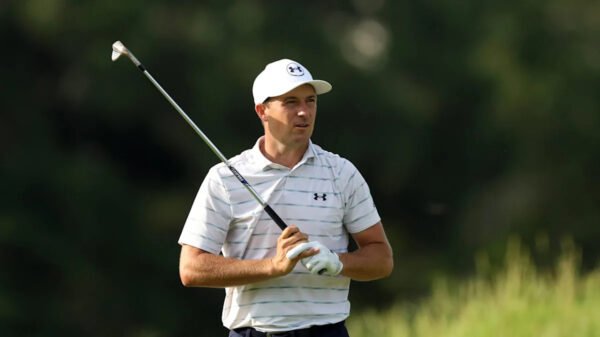
The financial strain is not confined to the corporate entities; it directly impacts the athletes who were central to the league’s initial appeal. Several high-profile players have emerged as creditors in this unfolding saga. Among those listed are Bryson DeChambeau, Dustin Johnson, Jon Rahm, and Tyrrell Hatton, all of whom are reportedly making their transition toward the DP World Tour as the situation at LIV deteriorates.
The financial liabilities are substantial and varied. For instance, the R&A has reportedly been owed over $650,000 stemming from a February agreement to provide course-maintenance support to LIV Golf. The collapse itself followed the withdrawal of financial backing from Saudi Arabia’s Public Investment Fund after the 2026 season, concluding a five-year period during which the league reportedly invested more than $5 billion.
Course and Conditions: The Operational Fallout
While the immediate focus is on the legal and financial battle, the operational reality of LIV Golf’s winding down presents a stark picture. LIV had previously attempted to secure its future, proposing a “LIV 2.0” for 2027 and seeking a $300 million recapitalization from BC Partners Credit. Despite these efforts, the league struggled to maintain momentum. While approximately 30 players initially showed interest in the proposed new iteration, the financial demands proved prohibitive, leaving LIV with only four publicly committed players as many of its most recognizable stars either departed or refused to commit to the revised structure.
Championship Context: A Season of Transition
The recent history of LIV Golf represents a dramatic injection of capital and a challenge to established norms within professional golf. The league’s initial meteoric rise, fueled by massive investment, created a powerful, albeit unsustainable, competitive environment. The subsequent bankruptcy filing marks a definitive end to that chapter. Earlier this month, LIV attorney Matthew Williams informed a New Jersey bankruptcy court during a brief hearing that the league’s path forward would be to cease operations, liquidate its remaining assets, and concentrate on satisfying its outstanding creditors.
This entire episode casts a long shadow over the current competitive season, forcing fans and players alike to reassess the stability and long-term direction of the sport. The battle between the creditors and the PGA Tour highlights a fundamental tension regarding financial accountability in modern, high-stakes sports ventures.
What Comes Next
As the legal proceedings continue to unfold, the immediate focus shifts to the resolution of these outstanding debts and the ultimate fate of the remaining assets. The PGA Tour’s defense against the subpoena will set a crucial precedent regarding how rival tours are treated in bankruptcy proceedings. For the dedicated audience, the next few weeks will be defined by legal filings and financial disclosures, rather than on-course action.
As the dust settles on this extraordinary financial storm, what does this turbulent period reveal about the true, sustainable economic model required to sustain a global, elite golf championship?
