


















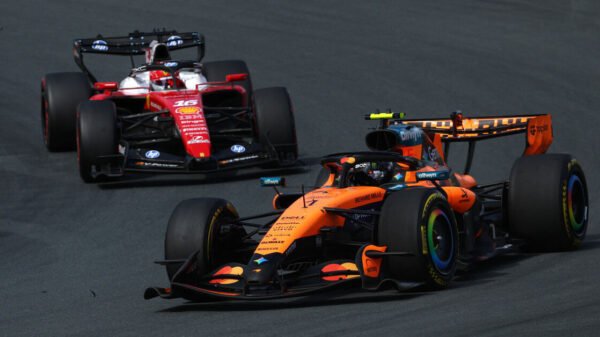
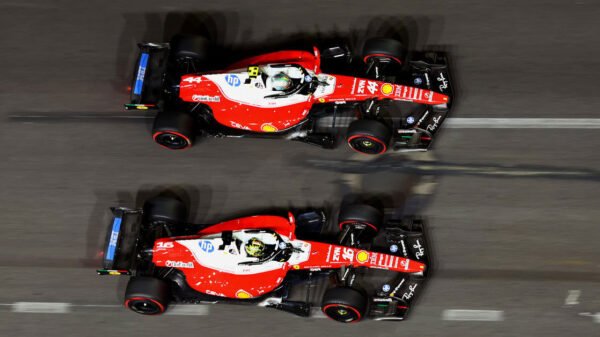
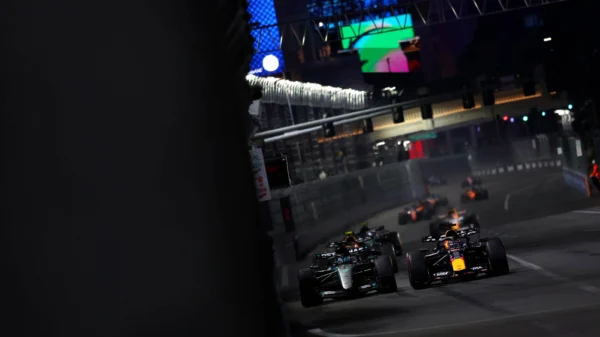













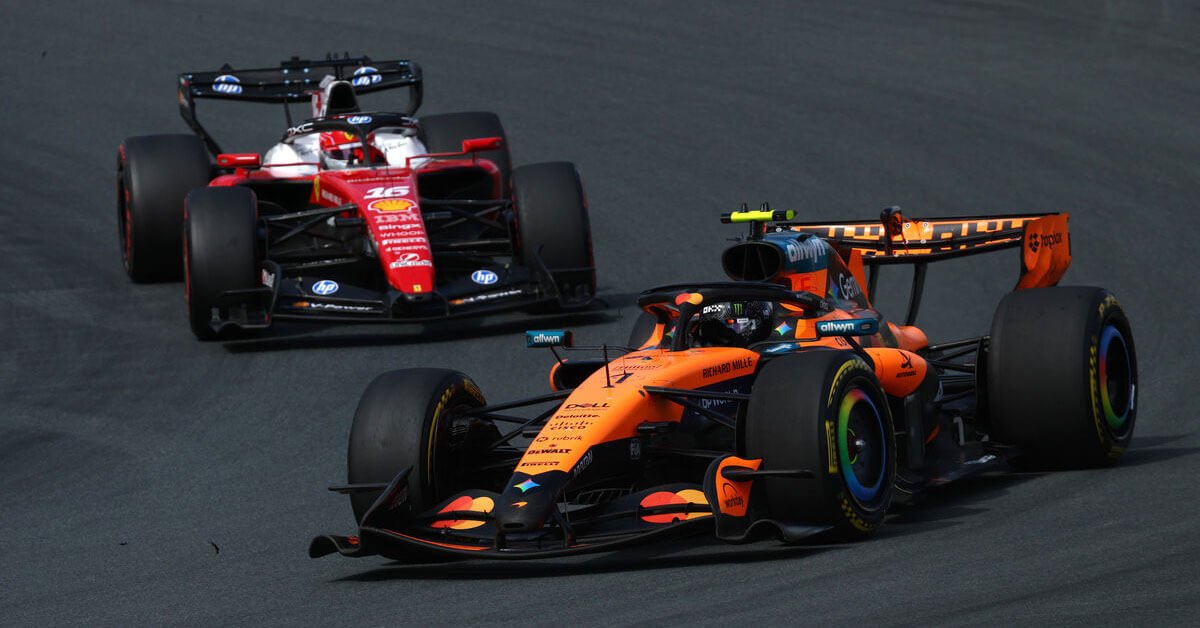
The recent Las Vegas Grand Prix generated immense statistical fanfare, boasting 352 overtakes and 35 changes of leader. However, this spectacle has ignited a significant debate among drivers and observers regarding the true nature of the racing under the current Formula 1 regulations. Questions are mounting about whether the deployment of electrical energy is dictating on-track battles more than pure driving skill.
Official Details on Regulatory Impact
The new Formula 1 technical regulations were introduced with the explicit goal of encouraging overtaking while simultaneously increasing the utilization of the power unit’s electric component. While the Las Vegas circuit itself has historically been conducive to overtaking, the race highlighted how the energy deployment system is influencing the flow of the competition. The “yo-yo effect,” where cars gain and lose positions based on shifting electrical advantages, was evident, leading to exchanges that seemed less like genuine battles and more like tactical maneuvers based on energy availability.
Immediate Impact on Racing Dynamics
The immediate impact is a palpable shift in driver perception. Max Verstappen openly stated that from his perspective as a racing driver, the event did not feel like traditional Formula 1, comparing the experience to playing Mario Kart. This criticism centers not on the quantity of passes, but on the perceived lack of driver control over the outcome of those passes. Drivers are finding that battles often become predictable once the energy deployment patterns employed by the teams are understood, diminishing the element of surprise crucial to wheel-to-wheel racing.
Context: The Tension Between Spectacle and Skill
This discussion follows a period where the sport has been balancing the desire for high-octane entertainment against the core tenets of motorsport. While the Las Vegas round delivered an undeniable statistical spectacle for television audiences, the underlying concern is whether the pursuit of these headline numbers is overshadowing the quality of the competition. Lando Norris acknowledged the entertainment value, noting moments where overtaking felt like pressing a button, illustrating the central contradiction facing the sport.
Why This Matters for the Championship
The competitive and logistical impact hinges on driver agency. If the outcome of races is heavily influenced by the strategic timing and deployment of electrical energy rather than the driver’s ability to judge a braking point or execute a pass, the fundamental nature of the competition is altered. The hope remains that future regulatory adjustments will restore greater direct control to the drivers, ensuring that the ability of a driver to make the difference remains paramount, rather than the predictability of energy deployment.
What Comes Next
The focus now shifts to the upcoming regulatory evolution. The expectation is that forthcoming changes will aim to mitigate the dominance of energy deployment patterns, allowing for more organic and unpredictable on-track duels. The sport is awaiting confirmation on how these planned adjustments will translate into tangible changes in race dynamics.
Do the current regulations risk prioritizing marketable statistics over the unpredictable nature of genuine wheel-to-wheel racing?
