
















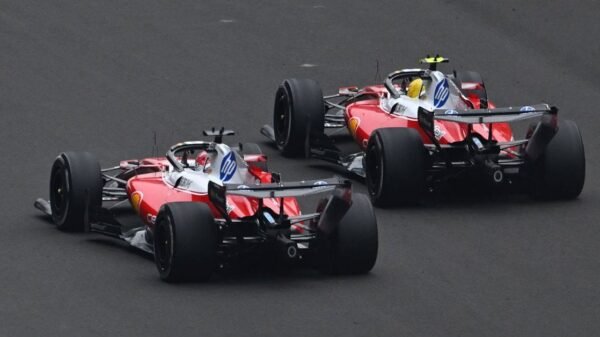








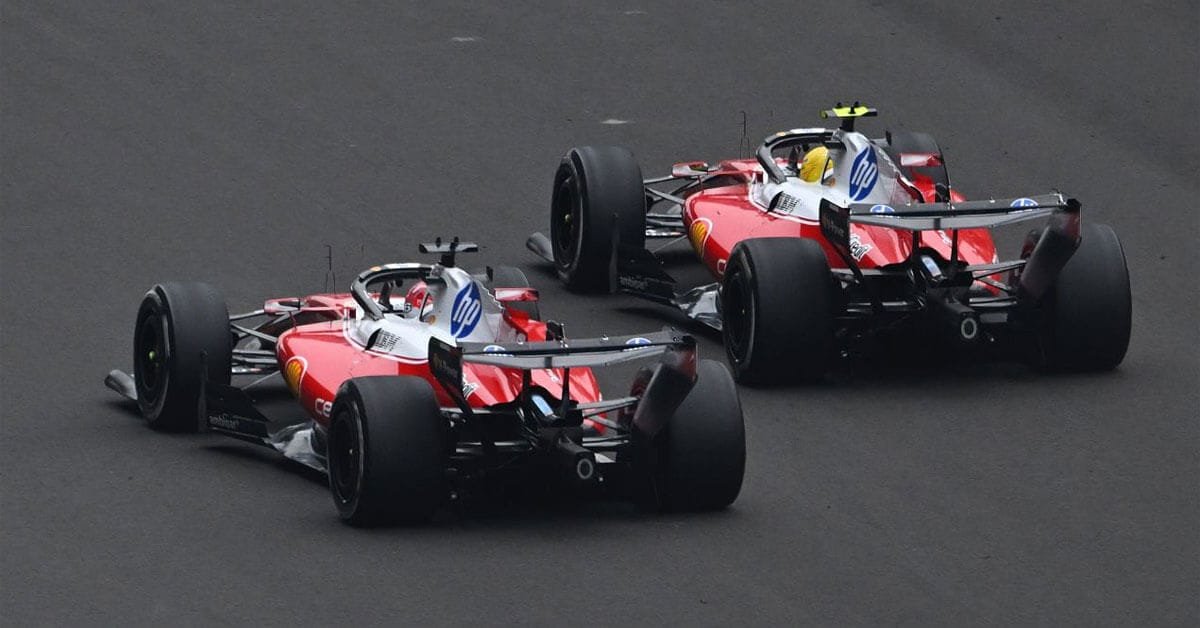
The collision between Charles Leclerc and Lewis Hamilton at the 2026 Las Vegas Grand Prix has reignited significant debate, with former Ferrari driver Ivan Capelli offering a pointed analysis of the incident. Capelli specifically criticized Leclerc’s overtaking attempt, suggesting that underlying tensions between the two drivers may never have been fully resolved, casting new light on the aftermath of the high-profile clash.
Official Details of the Incident Analysis
Ivan Capelli provided his perspective on the on-track exchange, focusing heavily on the execution of the move. In his assessment, Capelli argued that Charles Leclerc attempted a maneuver that held little chance of success at that specific corner. He stated, “As far as the incident is concerned, from my point of view, Charles Leclerc was never going to get past there.” Capelli further detailed his reasoning, noting that Leclerc attacked on the inside within a braking zone that he deemed not particularly demanding, describing the section as a “flowing S-bend.” He observed that the overtake attempt was unprecedented at that point in the race, concluding that Leclerc was already behind at the apex, making the attempt, in his view, “precisely the mistake.”
Immediate Impact on Driver Dynamics
Capelli asserted that the collision cannot be viewed as an isolated event. Instead, he framed it as the latest manifestation of ongoing friction between Leclerc and Hamilton. The former driver referenced previous confrontations, specifically citing incidents at Monza and the Mexican Grand Prix. Capelli suggested that while assurances were given that issues were resolved, in reality, nothing had been properly cleared up between the two drivers. This perspective adds weight to the recent controversy surrounding Leclerc’s apology to Ferrari and Fred Vasseur following the Las Vegas contact, raising questions about the team’s internal management.
Context of Unresolved Tensions
The analysis provided by Capelli goes beyond merely judging the overtake itself. He fundamentally questions how Ferrari has managed the relationship between its drivers. Capelli pointed to the history of near-misses and actual contact in previous races, such as Mexico, as evidence that underlying issues persisted despite official assurances. His commentary suggests a pattern where unresolved disagreements continue to surface during high-pressure moments on track.
Why This Matters for the Championship
While Capelli’s comments focus heavily on driver dynamics rather than direct championship points, the implications for team cohesion are significant. The ongoing friction between key figures impacts the competitive environment within the team structure. The scrutiny placed on Leclerc’s decision-making, coupled with the historical context of past altercations, adds another layer of pressure as the championship race progresses.
What Comes Next
The immediate next steps following this analysis involve continued speculation regarding the internal workings of the team and the drivers’ future interactions. No official procedural changes have been announced as a direct result of Capelli’s commentary, but the focus remains on how the team addresses these persistent interpersonal dynamics moving forward.
Given the high stakes, how will Ferrari address the perception of unresolved tensions between its drivers in future races?
