













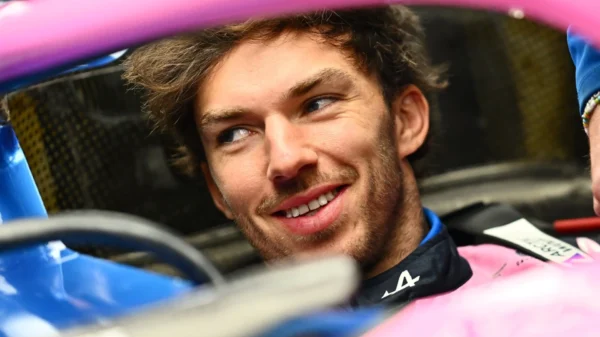












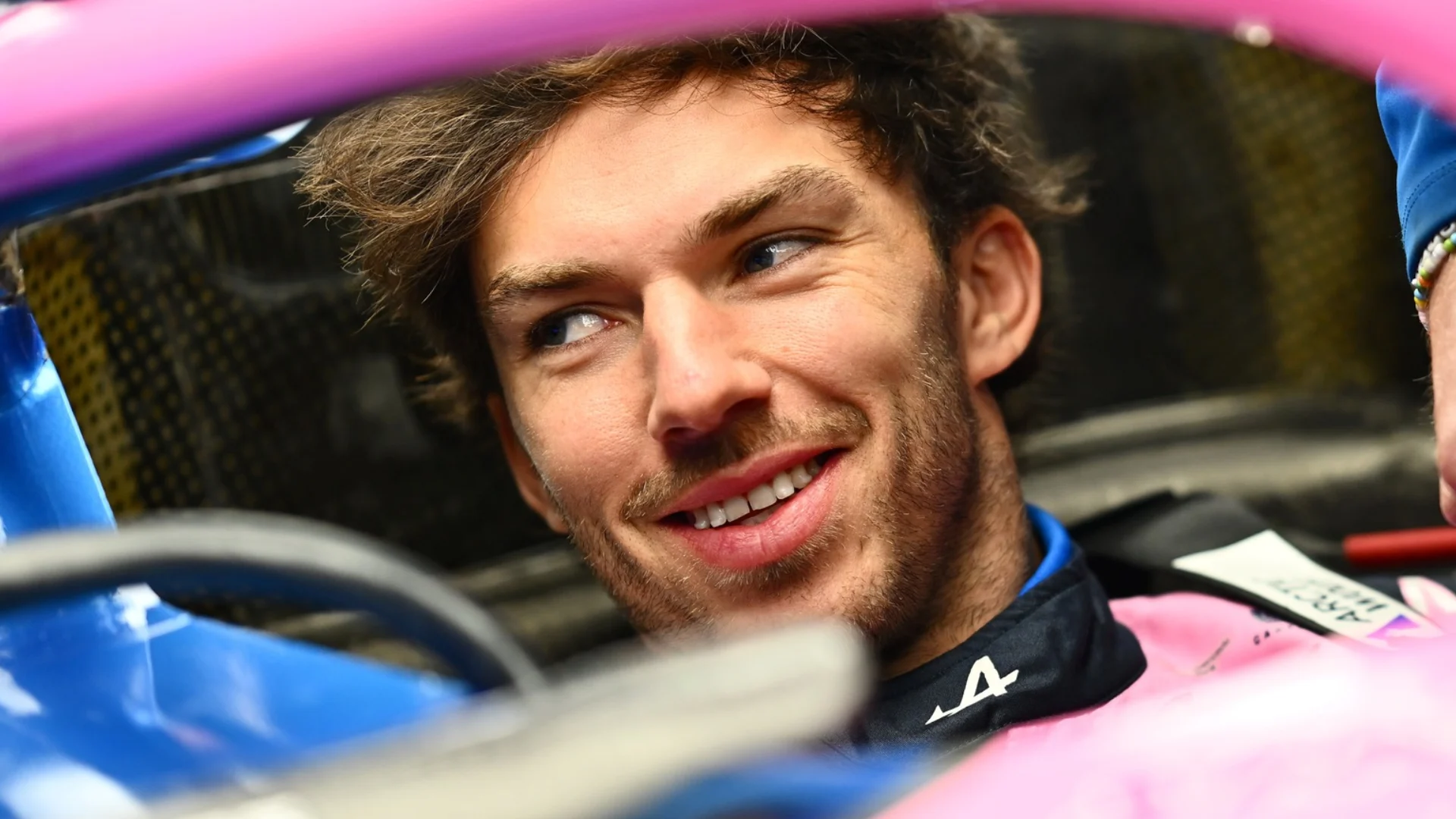
Pierre Gasly’s performance at the Las Vegas Grand Prix highlighted a significant technical hurdle for his team, Alpine. While the race itself was a thrilling display of front-running action, Gasly’s potential for a podium finish was severely compromised by an unforeseen power unit temperature issue. This incident underscores the delicate balance between maximizing performance and managing the thermal limits of the car’s powertrain, a critical area of focus for all teams heading into the remainder of the season.
Technical Details of the Power Unit Constraint
The core technical issue encountered by Gasly involved the overheating of the power unit. During the race, Gasly reported that after reaching P3, he was informed via the radio that the car was experiencing overheating. This necessitated an immediate and drastic intervention: reducing the power output. Gasly specified that the power reduction was maintained for 45 laps.
The severity of this constraint was palpable. Gasly noted that when the most aggressive switch was engaged to manage the temperature, he immediately lost positions, dropping two places in a single lap. Furthermore, to manage the temperature effectively, he was forced to actively manage the gap, needing to open up space to allow the cooling systems to function, even if it meant sacrificing track position.
Alpine acknowledged that this cooling issue was unanticipated given the ambient conditions. Gasly pointed out the discrepancy, noting that despite the cold weather—evidenced by the winter jackets worn by the drivers—the car was overheating. The team has indicated they will conduct a thorough review of the events to understand why this thermal management failure occurred.
Intended Performance Impact
The impact of running in the restricted engine mode was demonstrably costly to the car’s overall performance envelope. Gasly quantified the performance deficit, stating that during the slowest engine mode, he felt he was losing over a second per lap. This loss directly translated into his inability to sustain a challenge for the win or secure a podium finish, despite the car possessing underlying pace.
The incident highlights the inherent trade-off in modern motorsport: pushing the power unit to its absolute limit for peak performance versus maintaining operational parameters to ensure reliability over a full race distance. The necessity of managing the temperature forced the team into a defensive operational mode, prioritizing thermal stability over outright pace.
Competitive Context
The race itself provided a backdrop of intense competition, with Alpine battling with drivers from top-four teams, including McLaren and Ferrari, on multiple occasions. Gasly’s ability to reach P3 demonstrated the car’s inherent potential when operating within optimal parameters. The issue meant that while Alpine was competitive enough to be in the thick of the action, the technical limitation prevented them from capitalizing on that pace against rivals who could maintain full power.
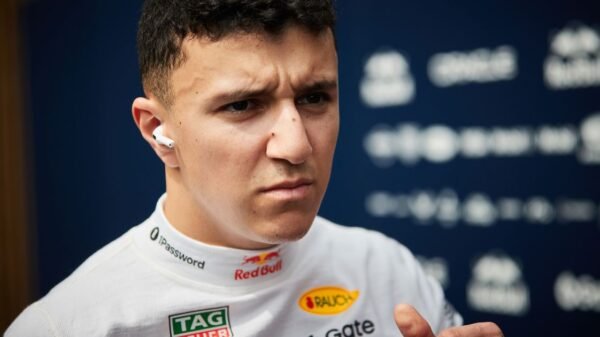
Franco Colapinto’s performance offered a contrasting, yet complementary, view on race dynamics. His recovery from an early poor stint on used soft tyres by switching to new medium tyres showcased the importance of tyre strategy and setup adjustments. His solid P6 finish, alongside Gasly’s points haul, provided a positive outcome for the team following a challenging period.
Season Implications
This incident points toward a critical development direction for Alpine: enhancing the robustness and predictability of their power unit thermal management systems. The fact that the cooling issue was unexpected suggests a gap in simulation or real-world testing regarding extreme operating conditions.
For resource allocation, this failure necessitates immediate focus on powertrain cooling solutions. While the team celebrated the positive aspects of the race, such as the competitive nature of the battle, the underlying technical flaw demands significant engineering attention. The ability to run at full power consistently, regardless of track temperature fluctuations, will be key to challenging the frontrunners in the coming races.
What to Watch Next
As the season progresses, the focus will shift to how Alpine addresses this thermal vulnerability. Upcoming races will serve as crucial data validation phases. Teams will be scrutinized not just on outright pace, but on their ability to manage power unit stress across varied circuits and climates. We will be watching closely to see if the team can implement a fix that allows them to maintain the pace they showed early in the race without the power reduction penalty.
Considering the unexpected nature of the overheating in what appeared to be cool conditions, how much of this thermal challenge is a design oversight versus an unforeseen interaction between the cooling package and the unique demands of the Las Vegas circuit?
