































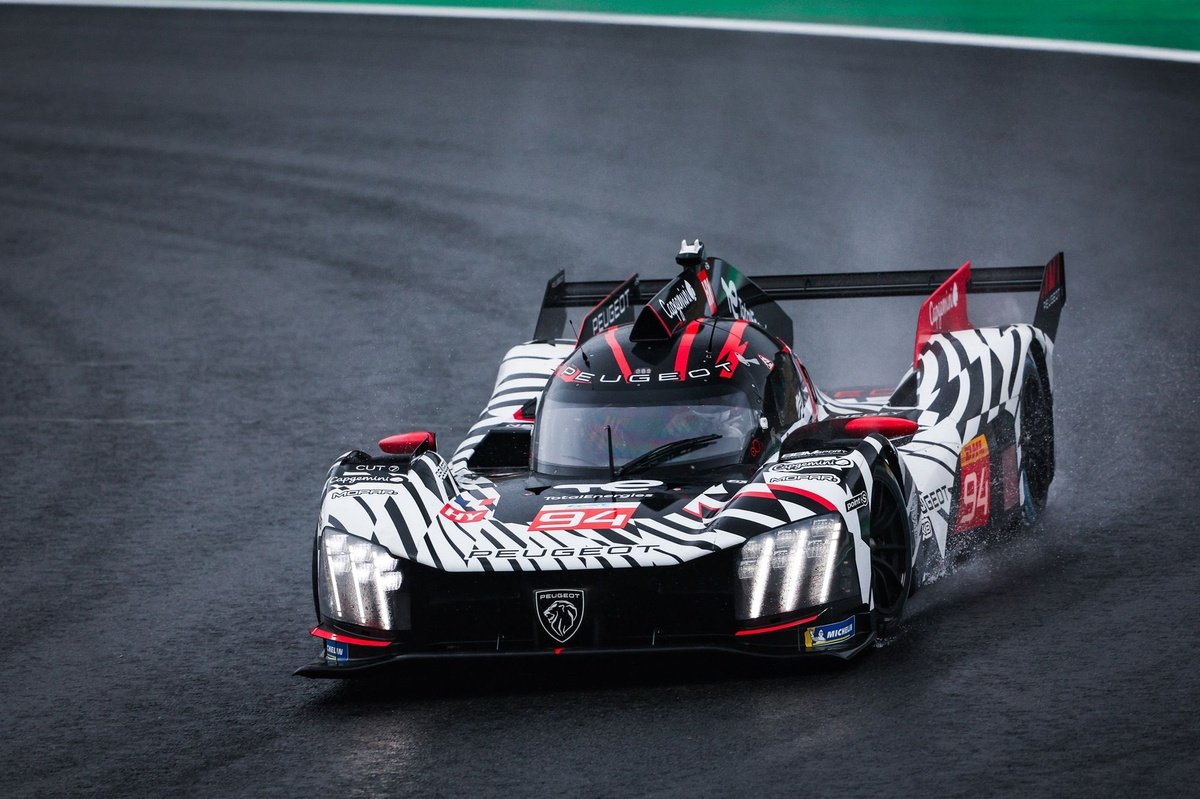
Stellantis has announced a significant overhaul of its motorsport commitments, pulling back from several factory programmes as part of a major cost-cutting initiative. The withdrawal includes Peugeot from the World Endurance Championship (WEC) and the exit of sister brands Citroen and Opel from Formula E after the 2027 season. This move signals a major shift away from large-scale manufacturer involvement in global motorsport.
Official Details of the Withdrawal
The decision was officially made by Stellantis following several extraordinary Work Councils meetings involving representatives from its motorsport division. The scope of the announcement involves winding down the entire motorsport division based out of Satory, affecting all factory programmes operated across Europe. While the immediate termination of all factory racing efforts was initially anticipated, Stellantis has granted a phased exit for its Formula E involvement. Specifically, Citroen and Opel will remain in Formula E until the conclusion of the first Gen4 season in July 2027.
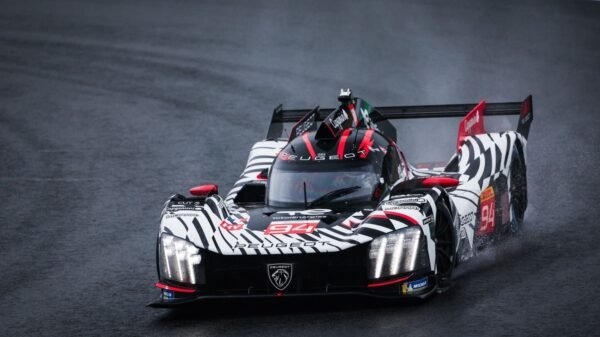
In the WEC, Peugeot was actively developing a major update for its 9X8 LMH hypercar, aiming to address long-standing weaknesses and narrow the gap to the leading cars. This development work was advanced, with further testing planned over the winter months, when the board made the decision to exit the championship.
Immediate Impact on Racing Schedules
The changes affect several drivers and hundreds of staff across the various programmes. In the WEC, Peugeot had finalized its 2027 driver lineup, which included signing new talent after Malthe Jakobsen moved to McLaren and both Stoffel Vandoorne and Theo Pourchaire left the team to compete in Formula E.
For Formula E, Citroen and Opel were preparing for the start of the Gen4 era, with Stellantis having invested in developing an entirely new powertrain compliant with the new regulations. Opel was slated to race as a brand-new team next year, having been approved by the Stellantis board to build its operations from the ground up after DS’s planned departure. Citroen already had established drivers like Nick Cassidy and Jean-Eric Vergne.
Broader Industry Context
This announcement comes as the automotive sector grapples with the financial challenges of transitioning to electric technologies. Stellantis, like many other major manufacturers, has faced significant financial pressures due to weakening sales in China and tariffs in the US, compounded by intense competition from pure EV makers.
Stellantis has historically been a major supporter of motorsport, and this withdrawal serves as another example of the volatile nature of factory-backed racing programmes. While Alpine announced its departure from the WEC months prior, the number of manufacturers competing in the Hypercar class is expected to remain at eight next year, even with the addition of McLaren and Ford.
Competitive and Logistical Implications
The impact on Formula E suggests potential logistical changes for the future. While there is no immediate effect on next year’s schedule, the 2028 grid could see a reduction in entries, potentially dropping to 20 cars from the 24-car capacity. It is noted that the team currently operating as Citroen has an entry owned by the Monaco Sports Group (MSG), separate from Stellantis, which may allow for its continuation, though Stellantis does own the entry for Opel.
What Comes Next
The confirmed next steps involve the continuation of Citroen and Opel in Formula E until July 2027, and the immediate cessation of Peugeot’s participation in the WEC. The fate of the other programmes, such as Dodge’s independent entry into the NASCAR Cup Series in 2027, remains unaffected.
Given the scale of these changes across multiple championships, how will the remaining manufacturer teams adapt their long-term technical strategies?
