



























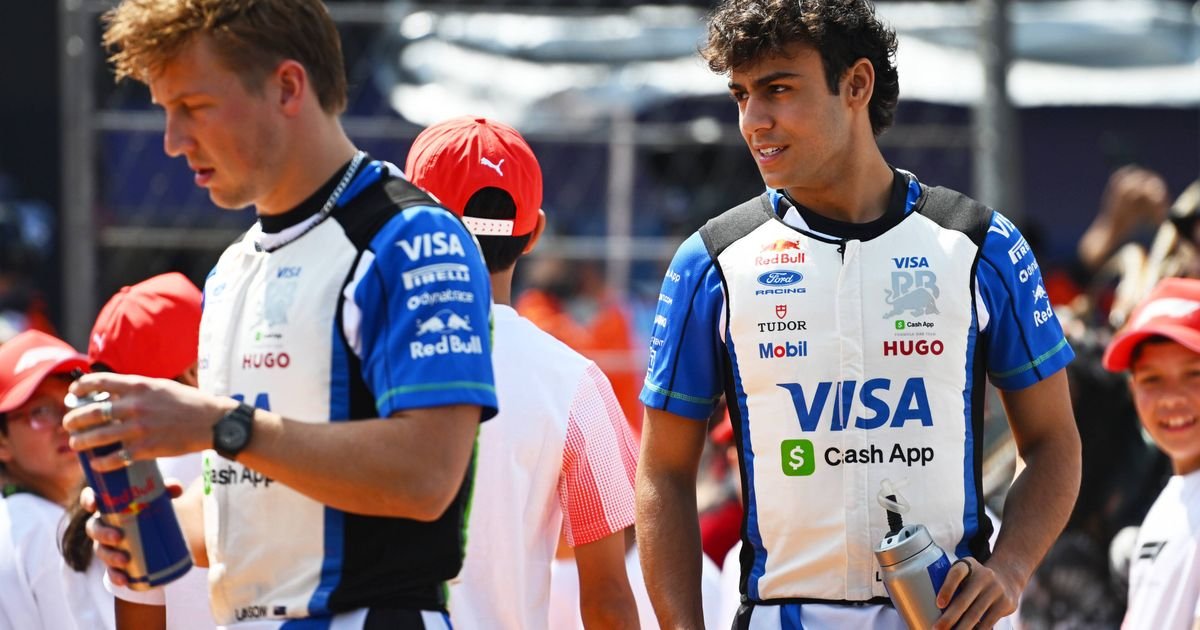
The Las Vegas Grand Prix concluded with a performance that underscored the nuanced narrative between the Racing Bulls teammates, Liam Lawson and Arvid Lindblad. While Lawson maintains the advantage in the championship standings, Lindblad delivered a spirited and impressive showing against established F1 names, even if a costly rookie error ultimately ended his afternoon without points. This race served as a potent reminder that the points gap between the two drivers does not tell the complete story of their respective capabilities.
How the Race Unfolded
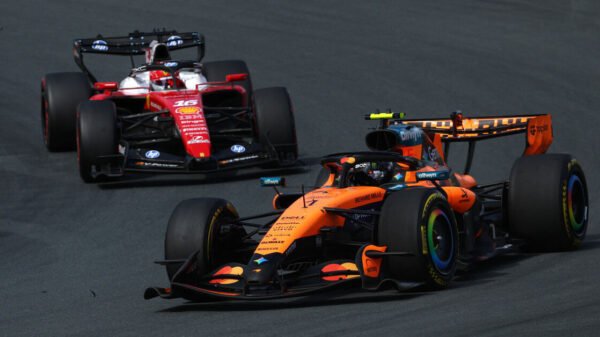
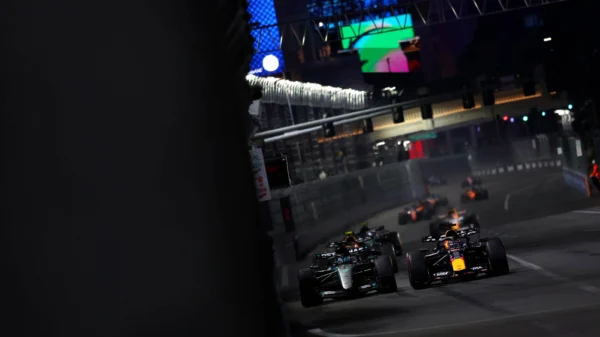
Starting fifth on the grid, Arvid Lindblad immediately demonstrated why his season cannot be judged solely by the points tally of his teammate. He engaged in intense battles among the leading drivers, managing to climb as high as third place. This was far from simply circulating behind the frontrunners; Lindblad showcased the pace and confidence necessary to compete directly with considerably more experienced opposition. This performance was particularly noteworthy considering the machinery provided by Racing Bulls, a team not typically anticipated to challenge the leading constructors for podium finishes.
The initial stages provided a powerful rebuttal to the narrative that Lawson’s superior points tally defined the performance gap. Lindblad was visibly proving on track that his potential extended beyond what the current standings suggested. However, the dynamic shifted dramatically following the deployment of the Safety Car. After completing his pit stop and rejoining the track in sixth position, Lindblad unfortunately lost control while warming his tires, resulting in a spin and his subsequent retirement from the race. This painful misstep erased a potentially outstanding result, leaving Lindblad with another zero in the standings and allowing the points differential with Lawson to remain a prominent point of comparison.
Key Turning Points
The primary turning point in Lindblad’s afternoon was the incident following the Safety Car. Having fought his way into contention, the subsequent loss of control during tire warm-up was a critical moment. This single mistake effectively nullified the strong pace he had displayed earlier in the race. While Lawson’s strength lies in his ability to accumulate tangible results—a crucial metric in Formula 1—Lindblad’s race highlighted the difference between raw speed and consistent execution under pressure.
The on-track battles Lindblad engaged in were significant; they demonstrated a level of competitive aggression and speed that challenged the established hierarchy. Yet, the rookie error served as a sharp reminder of the steep learning curve inherent in Formula 1. The race thus became a microcosm of Lindblad’s season: flashes of exceptional speed juxtaposed against moments where the demands of the sport proved too much for a developing driver.
Driver Performances
Liam Lawson continues to benefit from the tangible results that have placed him ahead in the championship standings, demonstrating a proven ability to convert opportunities into points. His performance reflects the consistent accumulation of results that teams value highly.
Arvid Lindblad, conversely, showcased moments of genuine brilliance. His fight through the field to challenge the frontrunners was a clear display of raw talent. While he did not secure points in Las Vegas, his ability to compete at such a high level, despite the machinery, cannot be overlooked. His drive demonstrated that his potential is significant, even if his execution in this specific race fell short due to the aforementioned mistake.
Championship Context
The Las Vegas Grand Prix has only added another layer of complexity to the comparison between the two Racing Bulls drivers. Lawson’s stronger championship position is anchored by his proven ability to score points, which remains the ultimate measure of success in the sport. However, Lindblad’s performance serves to argue that the standings alone do not capture the full scope of his abilities. He has shown he can compete with the elite, even if the required consistency to translate that potential into consistent results remains an area for development.
For the Racing Bulls, the contrast highlights a dual challenge: capitalizing on Lawson’s current results while simultaneously nurturing Lindblad’s undeniable raw talent. The gap between potential and execution is the defining theme emerging from this weekend.
What Comes Next
As the season progresses, the focus for both drivers will undoubtedly be on bridging that gap between potential and execution. Lawson will continue to benefit from the recognition afforded by his points haul, while Lindblad must concentrate on refining his race management and minimizing costly errors. The next race will be crucial in determining whether Lindblad can translate his demonstrated pace into tangible results, thereby challenging the narrative set by the championship standings.
What do you think is more important for a young driver right now: consistent points accumulation or demonstrating moments of raw, undeniable pace?
