




































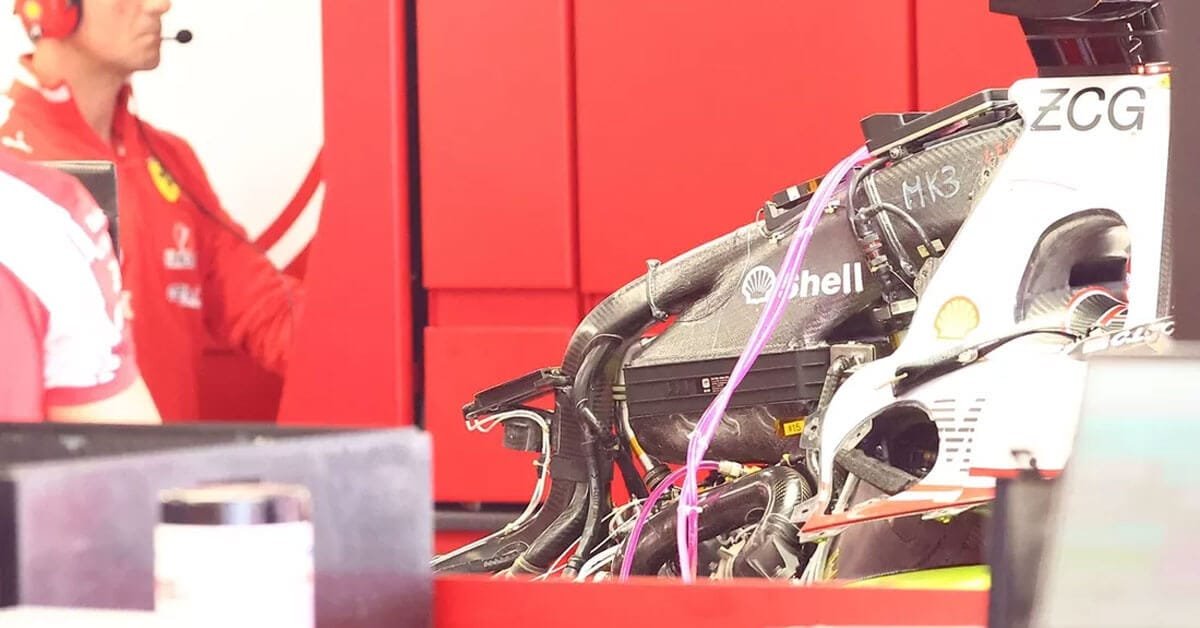
Formula 1 has confirmed a significant shift in its technical future with the agreement to introduce V8 engines starting in 2030. This development involves the FIA and Formula One Group, and it matters now because it signals a major effort by the sport to regain a degree of independence from the major automotive manufacturers that have heavily influenced its technical direction.
Official Details of the 2030 Engine Regulations
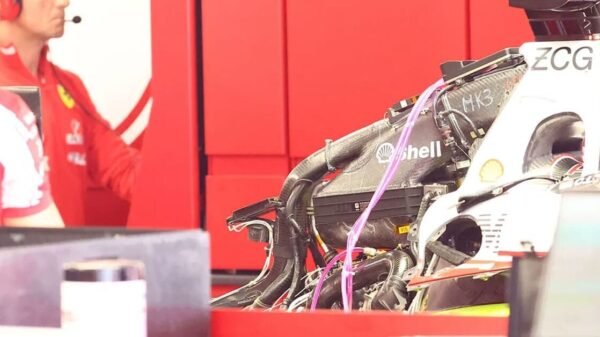
The FIA and Formula One Group have reached a unanimous agreement on the path forward for Formula 1’s power units. This change involves moving towards a 2.1-litre turbocharged V8 engine, which will operate on sustainable fuels and incorporate a limited hybrid system. The core objective stated by the governing body is to “create a power unit that is significantly less complex, lighter and cheaper than those currently used.” This move reverses a trend where power unit technology became incredibly complex and expensive, making it difficult for entities outside the largest automotive groups to participate.
Immediate Impact on the Sport
The shift away from the current highly complex power units promises to change the financial landscape of the sport. While the new regulations will not instantly make engine development simple or inexpensive, they aim to bring the required scale of investment back into more manageable limits. This possibility opens a door that has been closed for years: the potential return of independent engine manufacturers. Historically, Formula 1 relied on specialist engine builders, a model that the increasing sophistication of modern hybrid units had effectively eliminated.
Context of the Decision
In recent years, Formula 1’s technical decisions have largely been shaped by the requirements of major automotive manufacturers. This arrangement secured significant investment and linked F1 technology to road car development, especially as the industry moved toward electrification. However, the FIA and Formula One Group have recognized that the sport’s economic sustainability cannot rely solely on major manufacturers funding extraordinarily expensive engine programs. All current manufacturers involved have approved the new technical direction, and while these relationships are not expected to end, the agreement allows the championship to aim for less dependence on their industrial strategies.
Why This Matters for the Championship’s Future
The significance of this agreement extends beyond nostalgia for the distinctive sound of V8 engines. It represents a strategic attempt by Formula 1 to steer its own technical destiny. By aiming for reduced costs and complexity, the championship seeks to place its own sporting requirements closer to the center of technical decision-making. The unanimous approval from all manufacturers, including Ferrari, which was the final hurdle, demonstrates that the negotiations covered not just technical specifications, but also the impact on existing development schedules.
What Comes Next
While the agreement is set, several questions remain regarding the final implementation. The tangible benefits of cost and complexity reduction must be clearly reflected in the definitive technical regulations. Furthermore, the balance between the internal combustion engine and the electrical component must be finalized to ensure drivers retain greater freedom in managing performance, rather than having energy management dominate every race.
Given the focus on regaining balance, how will the final technical regulations ensure that the V8 return translates into genuine sporting freedom rather than just a change in engine sound?
