































Formula 1 race strategy is a dynamic interplay between raw data, sophisticated modeling, and human judgment. While the provided text focuses broadly on the data collection and decision-making process, the underlying principle of continuous technical refinement is constant. For an informed fan, understanding how teams interpret telemetry and adjust plans is key to appreciating the technical battle waged between the garage and the track. The core of modern F1 is not reacting to events, but proactively managing uncertainty through iterative technical updates and strategic planning.
Technical Details: The Sensor Suite and Telemetry
The F1 car functions as a rolling data collection unit. Telemetry—the live stream of technical data transmitted from the car to the team—provides engineers with an exhaustive view of the machine’s performance and the driver’s interaction with it. This data stream is vast, encompassing numerous critical inputs. Teams meticulously monitor tire temperatures, air pressure, and the rate of wear, which directly informs how each tire responds across a stint. Furthermore, the power unit is constantly monitored via engine and brake temperatures, energy deployment metrics, and fuel consumption indicators, all of which speak to reliability and efficiency. Beyond the powertrain, the system captures dynamic inputs such as speed, throttle and brake application patterns, steering inputs, and gear changes, alongside external data like GPS positioning, lap and sector times, and prevailing track conditions.
Tires receive specialized scrutiny. Sensors embedded in each wheel measure rubber temperature, internal air temperature, and pressure. This granular data allows teams to assess whether a tire is operating within its optimal performance window or if it is degrading prematurely. Teams utilize this information to actively manage grip levels and mitigate rapid degradation. However, the technical community understands that raw data is inert; a tire temperature reading gains significance only when engineers correlate it with variables like ambient track temperature, the driver’s specific style, the current fuel load, and the behavior of surrounding competitors.
Intended Performance Impact: Balancing the Variables
The goal of these technical inputs is not to guarantee a specific lap time, but to optimize the car’s overall performance envelope under changing conditions. The data allows strategists to model the delicate balance between different performance vectors. For instance, monitoring fuel use and power-unit data directly informs pace management and the risk assessment related to energy deployment. Tire data dictates when the performance advantage gained from fresh rubber outweighs the time lost during a pit stop. Sector times and GPS data help teams assess traffic density and potential overtaking opportunities. Essentially, the telemetry allows teams to quantify the trade-offs: how much pace can be maintained before tire degradation forces a strategic change, or how much energy can be conserved to ensure reliability over a longer stint.
Competitive Context: Relative Positioning
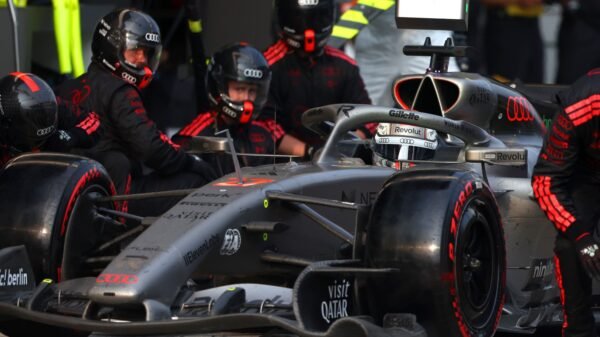
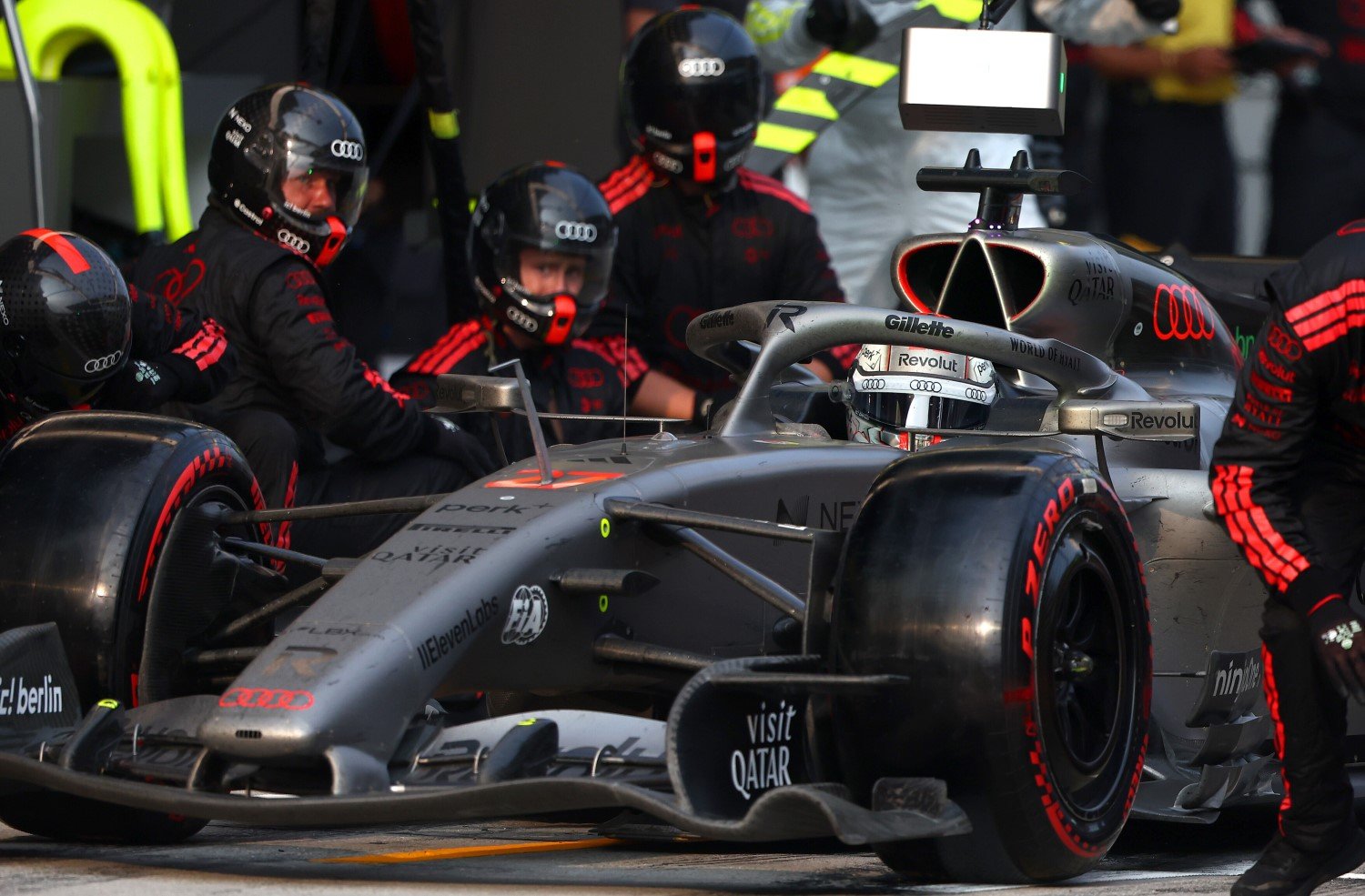
In the competitive landscape, every piece of data is benchmarked against rivals. The comparison of sector times and the observation of competitor pit activity are crucial in determining strategic maneuvers like the undercut or the overcut. The undercut involves pitting earlier than a rival, banking on the immediate performance boost from fresh tires to gain track position on the subsequent out-lap. Conversely, the overcut strategy involves staying out longer than planned, often aiming to capitalize on a gap built or to benefit from a later set of tires. These decisions are inherently comparative, relying on the team’s assessment of how their pace and degradation curve stack up against the immediate threats and opportunities presented by the field.
Season Implications: The Direction of Development
The continuous cycle of data collection and strategic revision dictates the long-term development path for a team. Initial baseline strategies are built using practice and qualifying data, estimating compound degradation and fuel consumption. During the race, these estimates are constantly refined. If a driver’s pace drops faster than the models predicted, the team learns that the tire degradation rate is higher than forecast, signaling a necessary adjustment to future setup or strategy. This iterative learning process drives resource allocation; teams dedicate engineering focus to areas where the data reveals the greatest variance from expectation. The evolution of F1 strategy is a direct reflection of how effectively teams can refine their predictive models and improve their data handling capabilities.
What to Watch Next: Validation and Adaptation
As the season progresses, the technical focus shifts toward validating these refined models across varied conditions. Upcoming races will serve as critical data validation phases. Teams will be intensely watching how their established strategies perform when confronted with unexpected variables—be it a Safety Car deployment compressing the field, or a sudden shift in weather conditions. The ability of a team to adapt its plan mid-race, leveraging real-time telemetry against pre-modeled scenarios, separates the contenders from the rest. The central lesson remains that a winning strategy is not a fixed prediction, but a disciplined, adaptable response to an uncertain environment, built upon meticulously analyzed data.
Given the constant stream of data, how much of a strategic advantage is gained by having the most sensors, versus having the most experienced human mind capable of interpreting the data under extreme pressure?
