









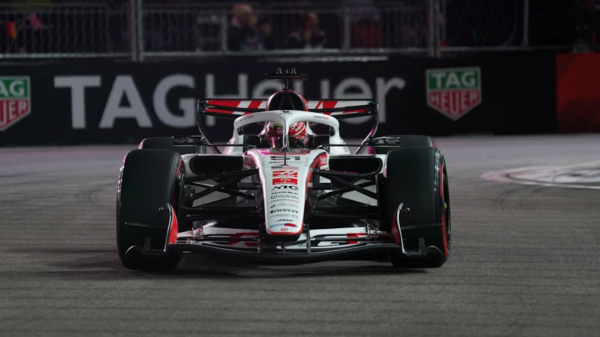







The roar of the engines has faded, but the drama of the season continues to unfold. While the recent Grand Prix delivered thrilling on-track action, the off-track developments surrounding the grid and driver lineups are equally significant. The race saw a compelling battle for supremacy, though the narrative is increasingly shaped by strategic decisions and the ripple effects of incidents like the one involving Sergio Perez. The championship fight remains fiercely contested, with every point gained or lost having major implications for the final standings.
How the Race Unfolded
The race began with the usual high-stakes tension, as drivers jockeyed for position in the opening laps. The early phases were characterized by intense wheel-to-wheel action, as teams gambled on different tactical approaches. As the race progressed, the strategic phases began to dictate the pace. Mid-race, the introduction of Safety Cars dramatically altered the complexion of the race, bunching the field and setting up crucial pit stop windows. These moments of disruption forced teams to reassess their plans on the fly, leading to significant momentum shifts among the frontrunners.
Key Turning Points
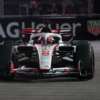
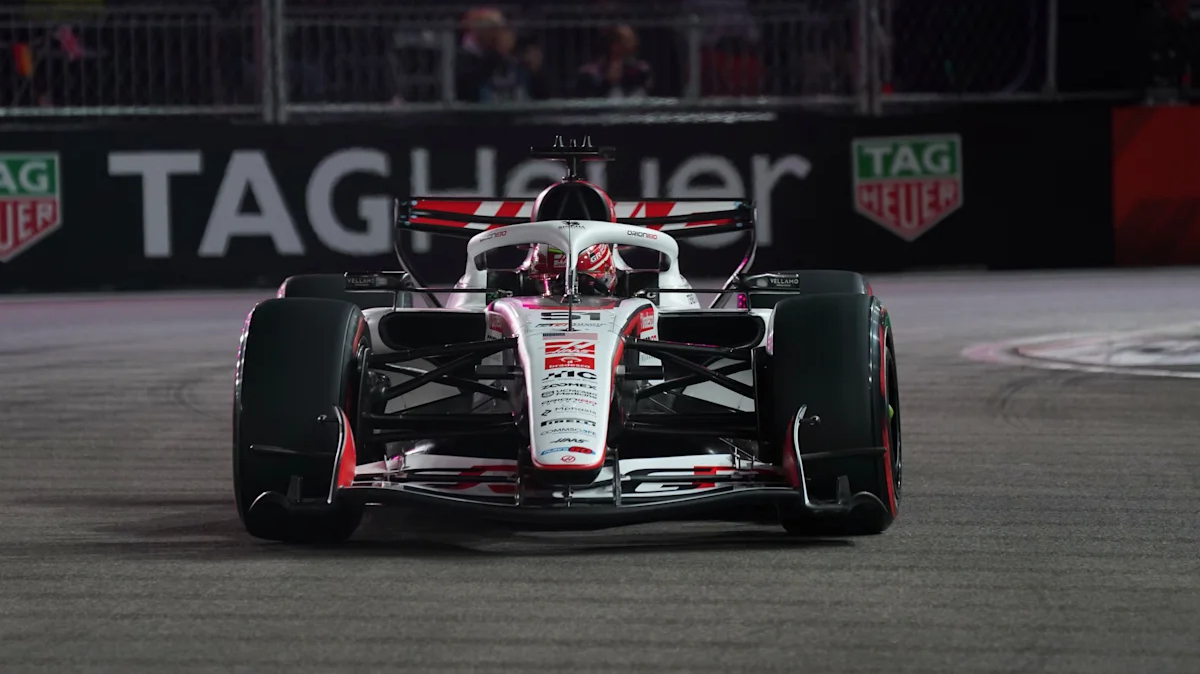
Several moments proved decisive in determining the final results. Pit strategy emerged as a major talking point; the timing of stops, the choice of compounds, and the execution during the pit lane were all scrutinized by fans and analysts. On-track battles were equally intense, with drivers pushing the limits of their machinery and their rivals’ defenses. Furthermore, penalties levied by the stewards played a crucial role in the final outcome. In a notable incident, Sergio Perez was found wholly responsible for a collision at Turn 14 during the Las Vegas Grand Prix. The stewards ruled that his attempted inside overtake was deemed improper, leading to a significant sanction that directly impacted his standing in the upcoming Qatar Grand Prix.
Driver Performances
The leading drivers showcased remarkable pace, setting the benchmark for the rest of the field. Their consistency and outright speed were evident throughout the event. Beyond the top tier, several midfield drives stood out. These drivers demonstrated flashes of brilliance, managing to extract maximum performance from their cars despite the challenges of the competitive environment. Their performances highlighted the razor-thin margins that separate the front runners from the rest of the grid.
Championship Context
The results of this Grand Prix carry substantial weight for both the Drivers’ and Constructors’ Championships. Every position secured contributes directly to the overall standings, putting pressure on teams and drivers alike. The ongoing battle is not just about individual glory; it is about the long-term trajectory and competitiveness of the entire team. The consequences of incidents, such as Perez’s penalty, cascade through the championship structure, affecting starting positions and potential race outcomes in subsequent rounds.
What Comes Next
The focus now shifts entirely to the next chapter of the season. The upcoming Qatar Grand Prix will see immediate ramifications from the penalties handed down. Furthermore, Haas has made a significant announcement regarding Rafael Camara. Following the incident involving Perez, the team has decided to retain Camara for the final two races of the 2026 season—the Qatar and Abu Dhabi Grands Prix—instead of his planned return to Formula 2. Team principal Ayao Komatsu expressed excitement about building on the progress Camara showed in Brazil and America, emphasizing the young driver’s dedication to learning during his brief appearances. Meanwhile, Perez must contend with the five-place grid drop in Qatar.
With the season entering its final stretch, where do you think the championship momentum will ultimately settle?