

























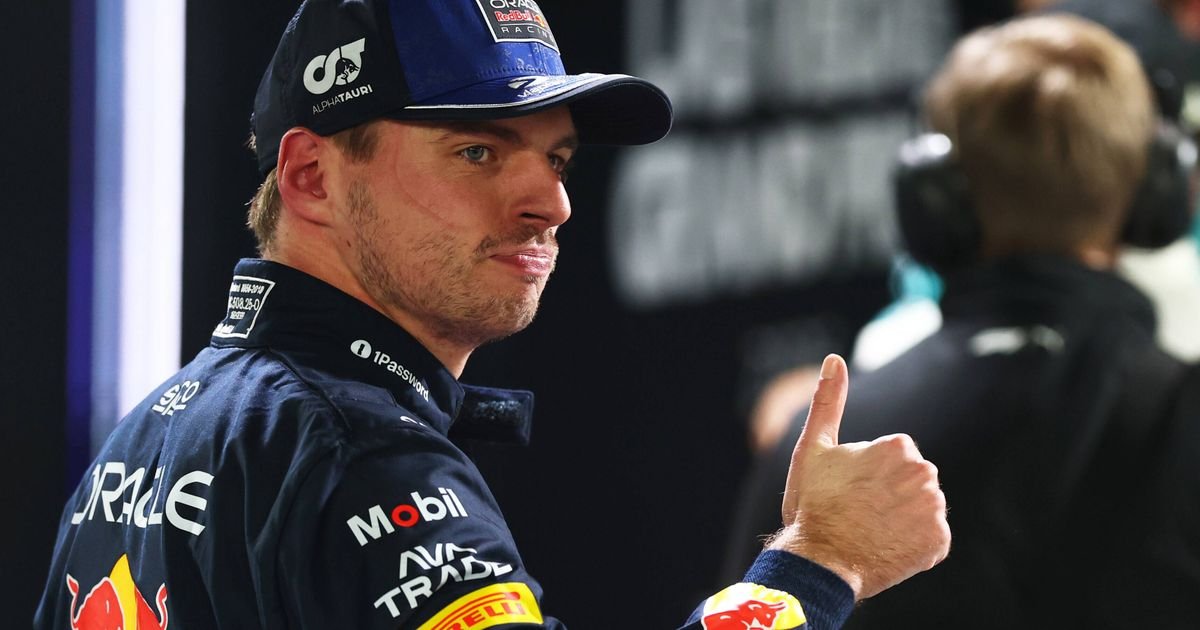
The recent qualifying sessions at the F1 Las Vegas Grand Prix highlighted significant disparities across the grid, with Red Bull Racing continuing its dominant trajectory, Mercedes facing internal communication issues, and Ferrari struggling with team cohesion. While the article focuses on these team dynamics, the underlying theme is the evolving nature of car performance and team strategy in the current regulatory environment.
Red Bull Racing’s Ascendancy: A Pattern of Dominance
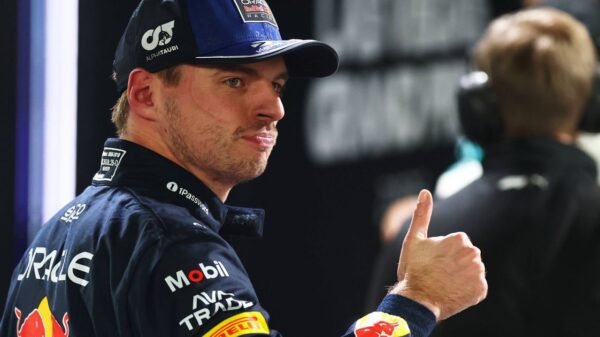
Red Bull Racing is increasingly mirroring a structure where Max Verstappen operates as the primary driving force, a pattern that has been observed with previous iterations of the team. This trend is becoming evident with Isack Hadjar, who is now experiencing the environment of racing alongside the four-time world champion. Initially, Hadjar demonstrated the ability to remain competitive, even surpassing Verstappen in qualifying on occasion early in the season. However, the narrative is shifting towards a widening performance gap.
The data illustrates a clear progression. Over the first seven Grands Prix, the average Saturday gap between Hadjar and Verstappen stood at a modest 0.038 seconds. This gap has demonstrably increased over the last seven sessions to 0.258 seconds, showing a consistent growth of 0.018 seconds from one session to the next.
Technical Evolution and Driver Feedback
This widening gap is framed within the context of the new set of regulations. Under this framework, the technical team delivers the chassis, and the drivers possess limited direct influence over the core development. Driver feedback only becomes crucial once the car is on track. Naturally, the team prioritizes the input from the fastest and most experienced driver, which, in this case, is Verstappen. As Verstappen provides feedback that refines the car’s characteristics to suit his driving style, the performance differential naturally expands, as his familiarity with the machine deepens.
From Red Bull’s perspective, there is no apparent cause for concern regarding this gap. Even at 0.258 seconds, Hadjar remains the strongest Red Bull teammate in years, a position that is difficult to surpass. The challenge for Hadjar lies in maintaining mental fortitude against the pressure that such performance gaps can induce.
Competitive Landscape: Team Dynamics Under Scrutiny
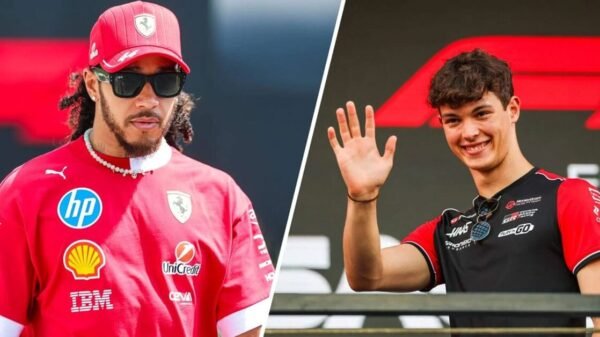
The performance narratives at Las Vegas were also defined by other teams’ internal struggles. Ferrari, for instance, appeared unable to maximize its potential as a unit. While the car has shown strength in race-day tyre management, it has consistently struggled to bring tires up to optimal temperature during qualifying, a situation exacerbated by the cold Las Vegas conditions. The team’s approach seemed to involve individual qualifying runs rather than leveraging the potential benefits of slipstreaming, a tactic McLaren has employed when its straight-line speed is a known weakness.
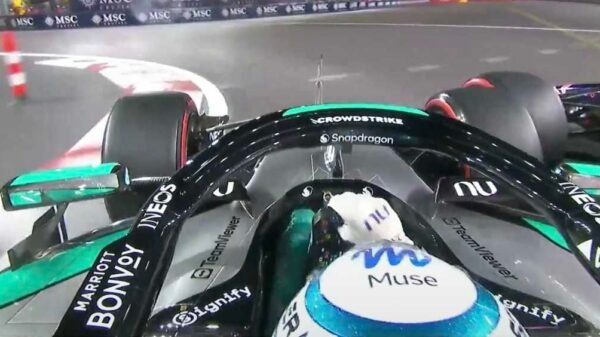
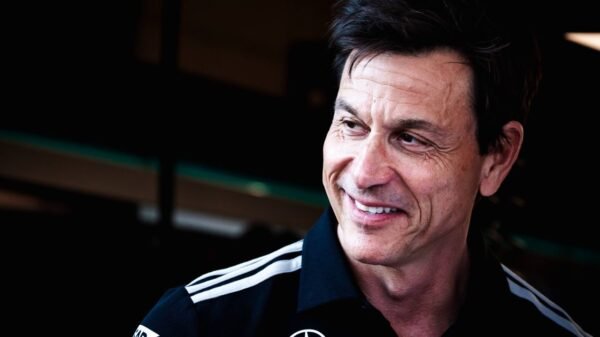
Mercedes also faced scrutiny regarding its internal messaging. Despite public assurances that the team would support George Russell in the driver’s championship push, the reality suggested a different calculus. With Kimi Antonelli’s title secured and facing a five-place grid penalty, the strategic focus appeared to be on maximizing Antonelli’s own standing, rather than making significant sacrifices to aid Russell’s pole position aspirations. Toto Wolff’s post-session commentary reinforced this perception, suggesting Russell had missed an opportunity rather than acknowledging any concerted team effort.
Season Trajectory and Development Focus
The trajectory at Red Bull suggests a continued refinement process where the driver’s mastery of the established package is becoming a key differentiator. For the team, this points towards a development path where the core car concept is being perfected, and the performance ceiling is being pushed by the lead driver’s input. The gap growth indicates that the learning curve for the top driver is steepening, while the teammate must adapt to a constantly evolving benchmark.
The competitive context shows that while Mercedes is navigating internal strategic divergences, and Ferrari is struggling with tactical execution, Red Bull is operating with a clear, albeit increasingly polarized, internal dynamic.
Looking Ahead
As the season progresses, the focus will be on how these established patterns translate into race-day performance. The upcoming races will serve as the ultimate validation of these qualifying trends. Teams will be closely watched to see if the strategic missteps seen in Las Vegas—whether it is Ferrari’s lack of team synergy or Mercedes’ perceived lack of unified backing—can be corrected under race pressure. The data validation phase for the technical updates will be crucial in determining if the incremental gains are translating into tangible competitive advantages.
Given the clear divergence in performance between Verstappen and Hadjar, how long can the technical team sustain the rate of development that allows the gap to grow at this consistent pace?
