





















Mercedes Pace Confirmed as Telemetry Data Points to Red Bull Challenge
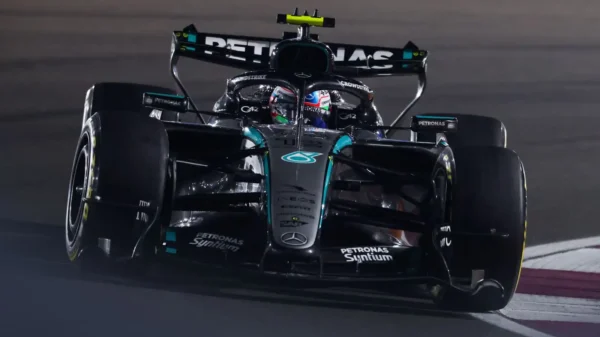
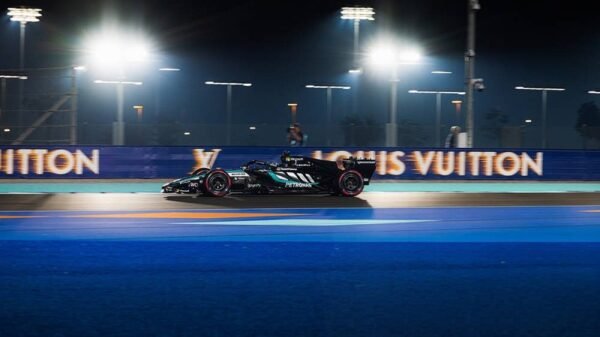
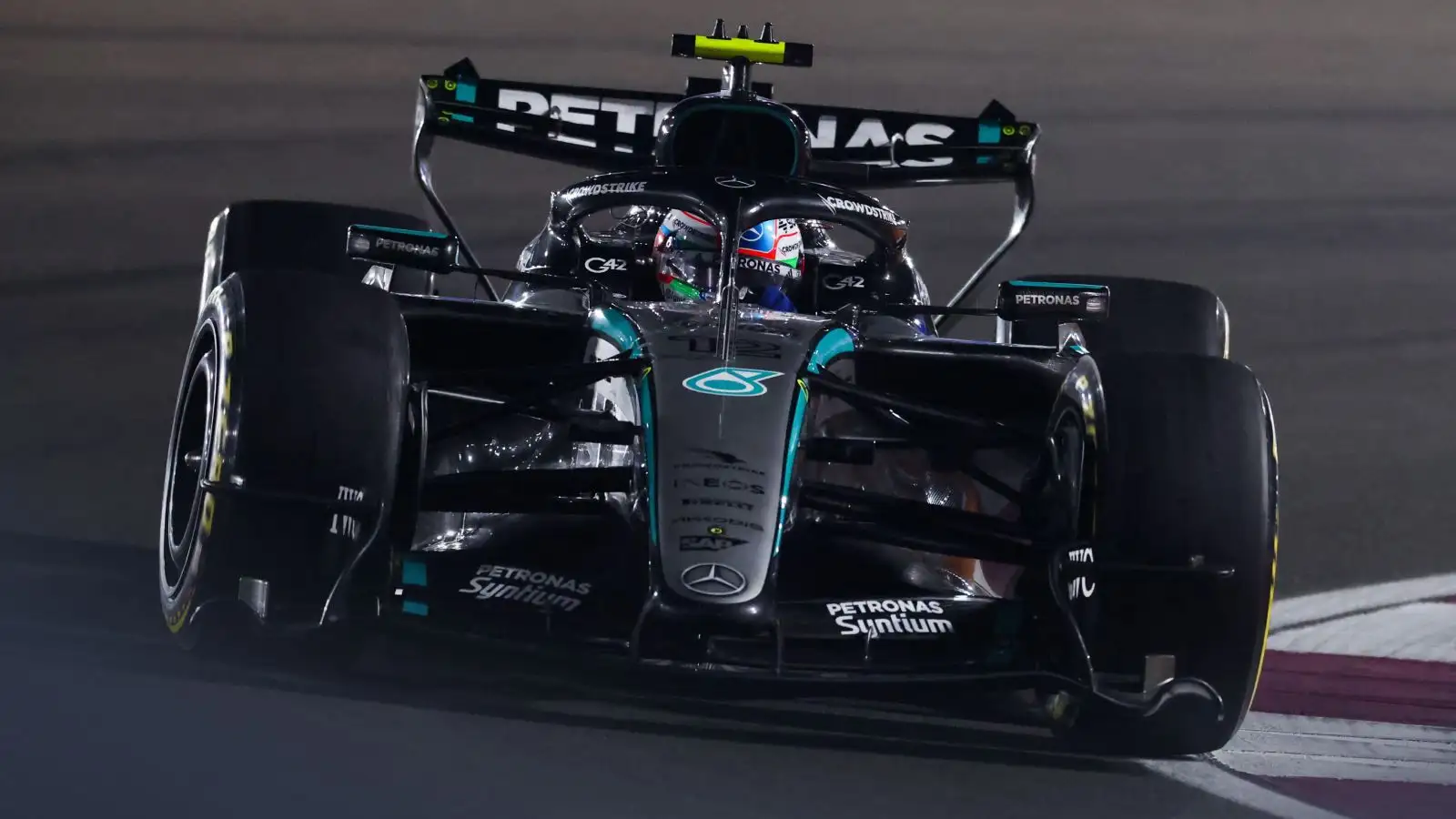
Telemetry data from the Qatar Grand Prix indicates that Mercedes has established a strong pace, with Kimi Antonelli leading both practice sessions and George Russell close behind him. Analysis suggests Red Bull holds the strongest potential to challenge the Mercedes dominance.
Practice Session Observations
In Free Practice 1 (FP1), the gap between the young Italian driver and his teammate was significant, but this narrowed considerably in FP2. FP2 was affected by two red flags, meaning Antonelli’s benchmark time on soft tyres was actually set using mediums.
The Qatar circuit is noted for being extremely demanding on rubber, leading Pirelli to use its hardest compounds. However, a rule limits race stints to 27 laps, mandating two pit stops due to the track’s layout featuring many long, high-speed corners and only one straight allowing tyre cooling.
Across both practice sessions, drivers generally struggled with front-axle grip and understeer. Over more than two hours of running, wide exits due to understeer were visible in nearly every corner.
Team Performance Breakdown
- Mercedes: Mercedes was clearly setting the pace on track. In FP1, Antonelli showed heavier clipping on entry to Turn 1 but built a steady advantage over Hadjar and Norris after Turn 4, supported by a strong first sector from their power unit.
- Red Bull: While Verstappen’s lap times appeared weaker than McLaren’s, Red Bull is currently viewed as having the best chance to challenge Mercedes. In FP2, Verstappen stayed very close to Antonelli until the end of the middle sector before slowing down in Turns 12 and 13 due to harvesting energy.
- McLaren: McLaren showed small time deficits across the track, with a more noticeable lack of grip in the final corner.
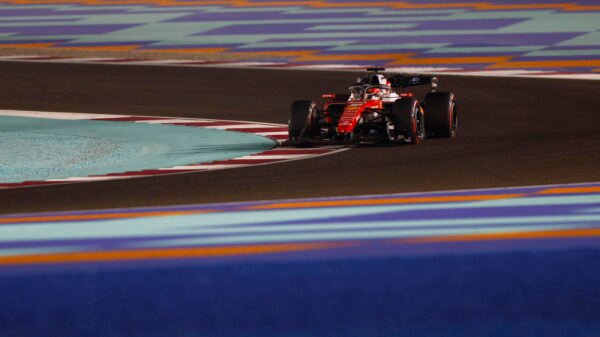
- Ferrari: During FP1, Ferrari appeared to be running in a detuned engine mode, resulting in lap times over 1.2 seconds slower than Kimi. In FP2, the Maranello squad lost the most time in the middle sector (between Turns 6 and 7) and through Turns 8 and 9 while harvesting battery energy. Ferrari currently appears to be the slowest of the top four teams.
Teammate Comparison
In FP2, George Russell was noted as the only driver capable of threatening Antonelli. Telemetry highlighted differences in driving style between the Mercedes teammates. For instance, at Turn 1, Russell carried a higher minimum apex speed, but Kimi achieved a cleaner exit and emerged with a slight edge.
Antonelli built an initial margin of about two tenths after Sector 1, which held through the middle sector. A clear gap opened across the three fast right-handers (Turns 12, 13, and 14), where Kimi leaned more heavily on the outside left tyres. Russell managed to claw back over a tenth in the final corner, possibly because Kimi was overheating his tyres in the preceding section.
Long-Run Pace Analysis
Looking at long-run data, Mercedes remains the clear favorite for Sunday’s race strategy. Kimi maintained consistency on medium tyres and topped the charts, with Max Verstappen trailing by approximately five tenths of a second per lap overall. Ferrari did not provide representative long-run figures.
The break ahead before FP3 is described as decisive, determining if anyone can close the gap to Mercedes.