




















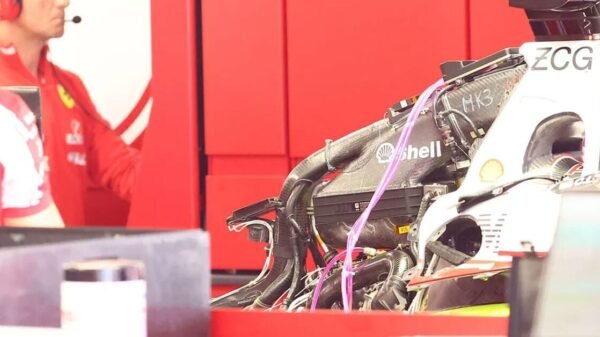















Formula 1 may face an early engine development freeze in mid-2028 due to plans accelerating the return of V8 engines to 2030. This proposed regulatory change raises concerns about competitive balance among power unit manufacturers like Ferrari, Mercedes, and Honda.
Regulatory Paradox and Development Freeze
Formula 1 is navigating a situation where it must prepare for a new engine generation while managing the current technical consequences. Bringing forward the V8 return to 2030 shortens the existing technical cycle.
A freeze on power unit development could become a central discussion point between the FIA, Formula 1, and the manufacturers. This would aim to prevent the transition to new regulations from creating unjustified competitive advantages.
Impact on Manufacturers
The report indicates that introducing new regulations sooner than planned could shift the competitive balance among current championship manufacturers because they may not all start from the same point.
General Motors, through its Cadillac project, presents a sensitive element in this debate.
Cadillac’s Development Advantage
Initially, General Motors intended to develop its own V6 power unit for 2029 to gain technical independence. However, moving the next-generation engine introduction to 2030 would change the financial and technical viability of that plan.
Consequently, Cadillac will continue using Ferrari power units until the new regulations take effect.
A contradiction arises because established competitors—Mercedes, Ferrari, Honda, and Red Bull Powertrains—must invest in developing their current V6 units while simultaneously preparing for the next generation.
In contrast, General Motors could dedicate a larger portion of its resources to the V8 project without incurring the same costs associated with upgrading existing power units.
Existing engine manufacturers are concerned about maintaining two parallel development programs during a transition when a new competitor can focus more efforts on the ultimate goal. This concern is heightened if the FIA implements a technical freeze on current power units.
Proposal for Mid-2028 Freeze
Information from The Race suggests one proposal under consideration involves freezing current power unit development in the middle of 2028.
This timing is linked to establishing the technical framework for the next generation, as the definitive 2030 regulations might not be ready until the second half of 2027.
Such a decision would significantly limit manufacturers’ ability to improve current engines. Teams would have a limited window to address shortcomings or recover ground lost to rivals, with performance development largely frozen except for reliability modifications.
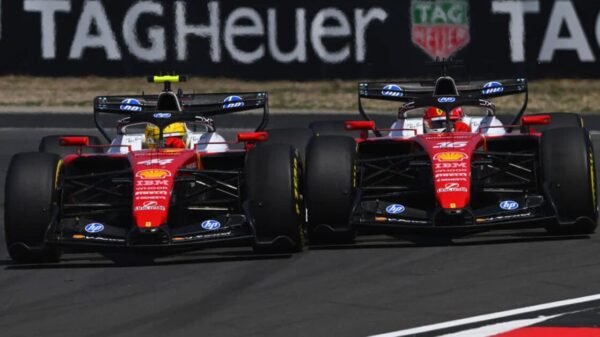
For Ferrari, which is working to reduce its power unit deficit, the length of this development window could be critical.
Effect on ADUO System
An early freeze could severely limit the effectiveness of the Additional Development and Upgrade Opportunities (ADUO) system. This mechanism allows lagging manufacturers to benefit from extra development based on regulations to prevent initial performance gaps from becoming permanent.
If a manufacturer faces difficulties late in the cycle, it might lack sufficient time to close the gap under an early freeze. The ADUO system could potentially be discontinued for current engines before being reintroduced under V8 rules.
Honda, for instance, could face a narrow window to resolve its difficulties and consolidate development on its current power unit.
While modifications for reliability reasons might remain permissible, this is distinct from the freedom to redesign components for performance gains.
Balancing Interests
The situation reveals a structural difficulty in how Formula 1 manages technical cycles. Changing direction requires considering past investments, existing agreements, and manufacturer circumstances.
A potential engine freeze would aim to preserve competitive balance, but the question remains which balance F1 seeks to protect: that between current manufacturers bearing similar transition costs, or the broader interest of attracting new automotive groups?
The FIA faces a complex choice. If V8 engines return in 2030, a transitional framework is needed to stop the early technical revolution from artificially reshaping the competitive order.
Given that even an engine freeze can become an instrument of sporting politics, what level of neutrality can such a decision truly maintain?
