
































Isack Hadjar experienced a significant and unexpected mechanical failure during the Las Vegas Grand Prix, forcing the Red Bull driver into the pits mid-race. The incident, which saw his front wing suddenly break apart on the straight, has immediately drawn scrutiny toward the car’s aerodynamic systems. This development is critical as it impacts the performance trajectory of a key Red Bull driver during a high-stakes race weekend.
Official Details of the Incident
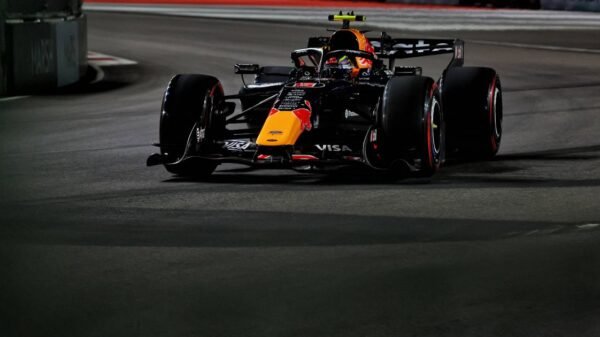
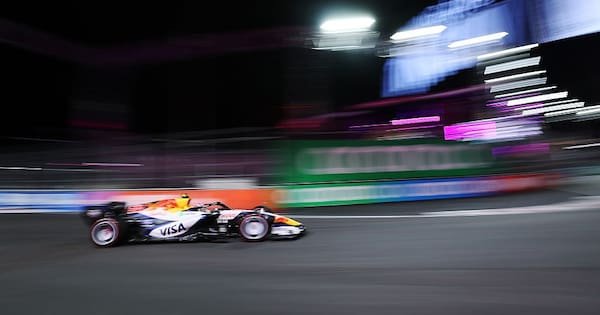
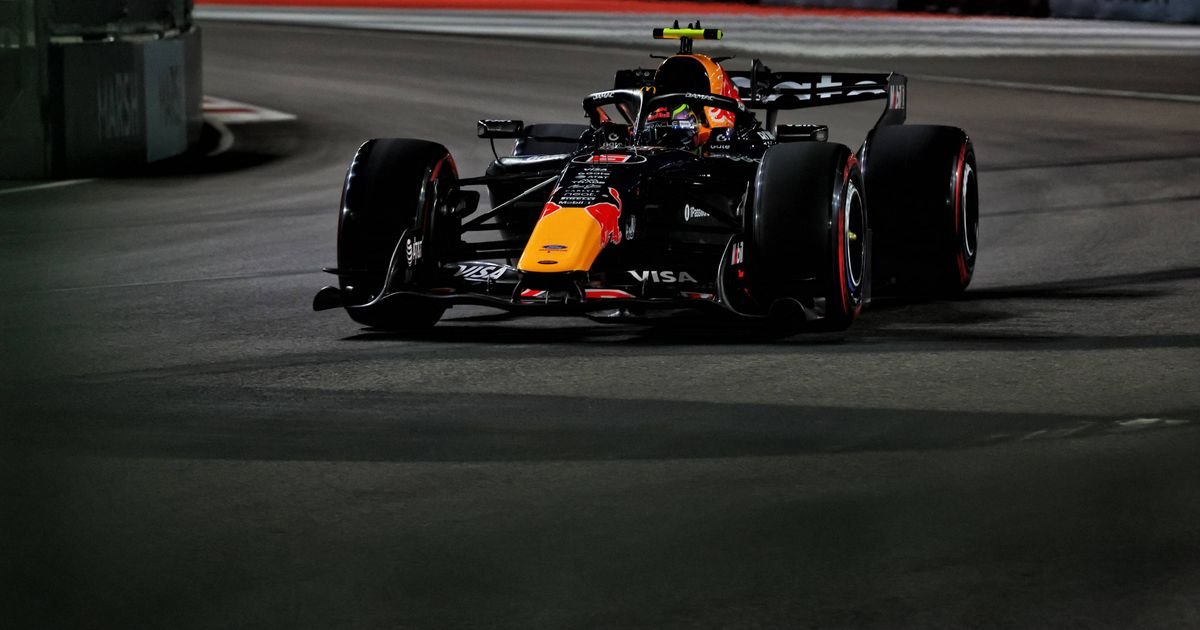
The failure involving Isack Hadjar occurred on lap 26 of the Las Vegas Grand Prix. The breakdown happened while the car was traveling down the straight, immediately after the Safety Car had returned to the pits following an earlier incident involving Sergio Perez. The official observation noted that one side of Hadjar’s front wing unexpectedly fractured without any discernible contact with another vehicle. Crucially, the failure coincided precisely with the moment the two front wing flaps were closing as the car transitioned out of Straight Mode, leading to immediate technical questions regarding the active aerodynamic components.
Immediate Impact on the Race
The sudden mechanical failure forced Hadjar to enter the pits for a necessary front wing replacement. This pit stop resulted in a loss of valuable track position for the Frenchman. Prior to the incident, Hadjar had demonstrated a strong performance, challenging both teammate Max Verstappen and George Russell for positions at the front of the field. While Verstappen successfully held onto the lead during the race restart, avoiding the trouble that afflicted his teammate, Hadjar’s race was severely compromised by the unexpected damage.
Context of Recent Developments
The timing of this mechanical issue is noteworthy given the competitive environment at the Las Vegas Grand Prix. Hadjar had established himself as a contender during his opening stint, showing pace that placed him among the front-runners. The loss of this promising momentum due to equipment failure places immediate pressure on the Red Bull team to diagnose the root cause of the aerodynamic breakdown.
Why This Matters for the Championship
For the championship battle, this incident represents a significant disruption to a driver who was in contention for a strong result. Mechanical reliability, particularly concerning complex active aerodynamics, is a major factor in current Formula 1 competition. The failure raises questions not just about the immediate race outcome but also about the robustness of the car’s systems as the season progresses toward critical championship junctures.
What Comes Next
The immediate next step involves the technical investigation into the front wing failure. The team will need to determine whether the failure was a singular component issue or related to the operation of the active aerodynamic flaps during the Straight Mode transition. Further updates regarding the reliability of the car’s components will be provided as the team completes its post-race analysis.
How will this mechanical setback affect Red Bull’s overall race strategy moving forward?