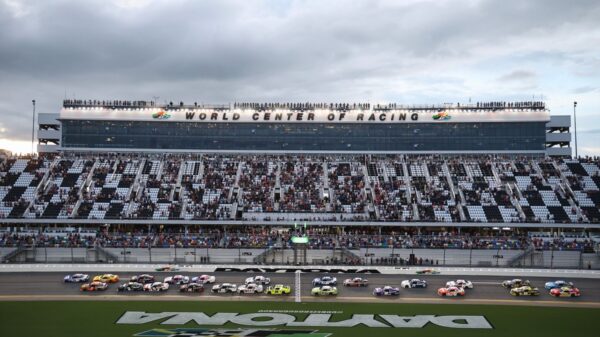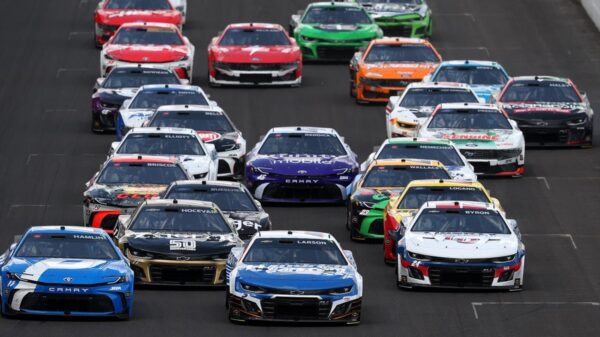


































NASCAR announced a new rules package for the summer Daytona race that’s aimed at improving passing and making cars less reliant on fuel saving as a strategy, but many fans are up in arms that it comes with a horsepower reduction. Current superspeedway spec engines produce 510 horsepower through a 0.89 inch tapered and that will now be reduced to 465 horsepower with the use of 0.84 inch tapered spacer.
It may seem counterintuitive at first glance to reduce power if you’re trying to help passing, but superspeedway racing has a unique set of components which are heavily reliant on each other. The reason why these cars currently have so much drag and downforce is because of the engine package choice. In previous generations of the NASCAR Cup car, there were engines with less horsepower that were designed specifically for superspeedway racing which allowed NASCAR to create aero packages with less downforce and drag. The advent of spec racing with the Next Gen car meant that there were less choices for engines and a lower power engine option was no longer available, so the only thing NASCAR could do to slow cars down enough in order to reduce the chance of flips was to add more downforce and drag in the form of a large spoiler and underbody aero.
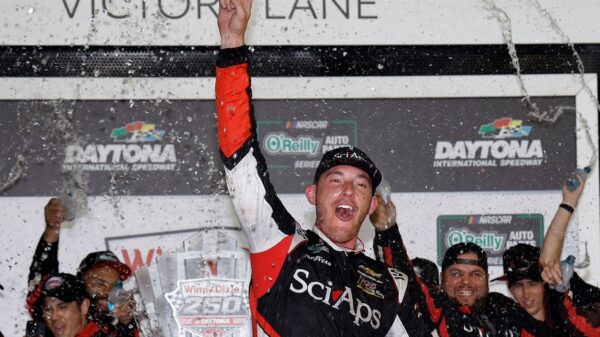
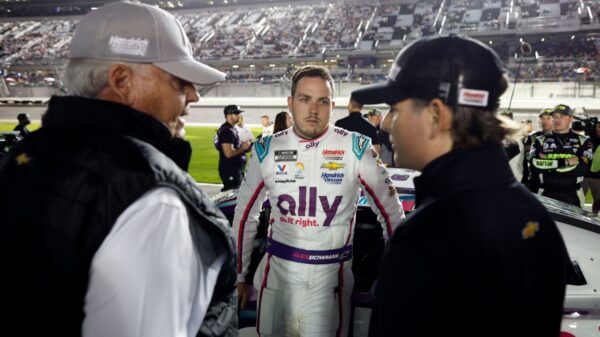
Shane van Gisbergen, Trackhouse Racing Chevrolet
Photo by: Chris Graythen – Getty Images

Reducing engine power by the use of a tapered spacer with smaller opening now allows NASCAR to attempt to replicate an aero package that is closer to what we saw in previous generations of car and should move in the direction of how the ever-popular O’Reilly Series cars race on Saturdays.
The fans who are disappointed with the 465 horsepower output of the Cup cars in this new package will likely change their mind when they learn that the O’Reilly cars produce around 410 horsepower in their current superspeedway configuration. Earlier engine packages for the 6th generation car were right in between those two at 450 horsepower.
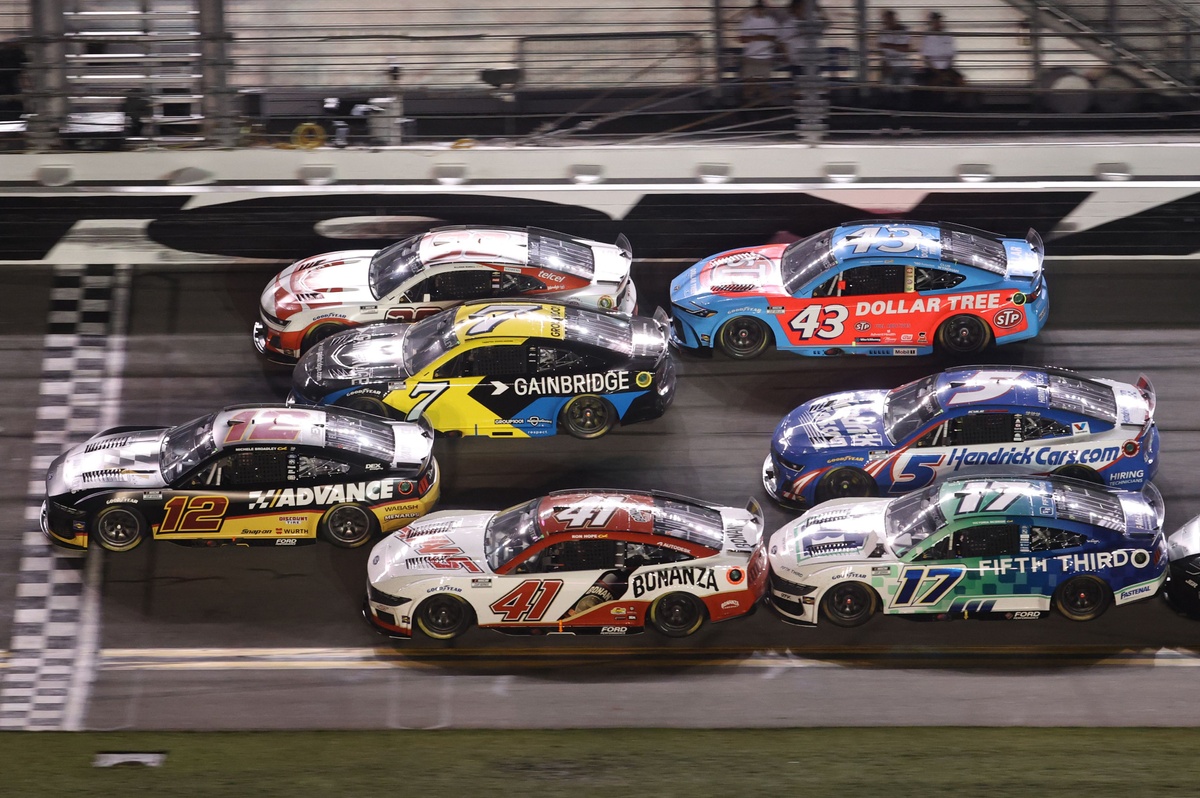
Those engine and aero combinations are well known, and in 2021, we saw around a 9mph differential for a car in the pack versus one running by itself at Daytona. At the Daytona 500 this year, that difference was over 13mph. The changes for the Daytona summer race aim to bring that gap to around 10 or 11 miles per hour. That is likely to be aided by transaxle changes in addition to the engine and aero changes that have been announced.
Current transaxle drop gear ratios are not optimal for a car that leaves the pack because it will often rev high enough where it will pass over the peak of the powerband of the engine. NASCAR aims to introduce a new drop gear ratio with the update for Daytona that will allow cars that go on a single car run outside of the pack to be able to stay in the peak of their powerband for a longer period of time in order to be able to complete passes.
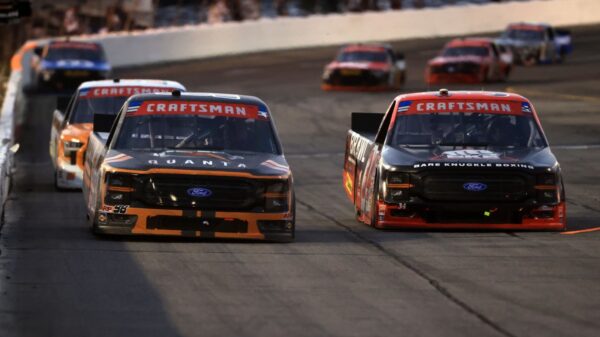
Ryan Blaney, Team Penske Ford
Photo by: Sean Gardner / Getty Images

The summary of changes that we can expect include:
-Spoiler reduction from 7 inches to 4 inches
-Underbody aero change to balance the spoiler reduction
-Engine power reduction from 510hp to 465hp
-Drop gear ratio change to optimize the power band
All of these changes can only happen in steps, so no single change can be implemented independently. In order to reduce the spoiler, you also have to change the splitter stuffers to balance the underbody aero with the overbody aero. In order to make those changes and still allow the cars to race safely, power must be reduced. The drop gear change is a nice bonus to help cars accelerate better once they leave the pack. All of these changes should entice competitors to attempt passes instead of saving fuel which should create excitement and passing similar to what we saw at Atlanta a few days ago.

We want your opinion! What would you like to see on Motorsport.com? – The Motorsport.com Team