



















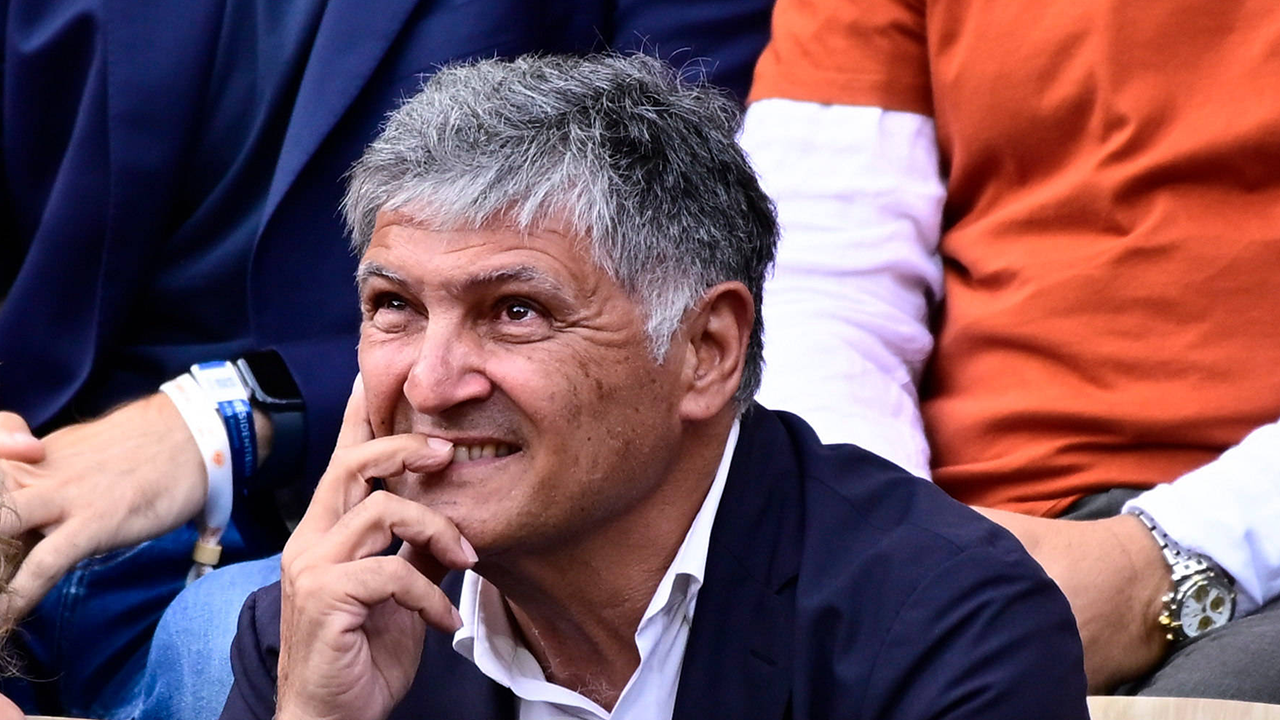
Nadal Blames Ball Speed for Injuries, Not Calendar Demands
Tennis Injury Causes; Ball Speed Debate
Toni Nadal suggests ball speed, not tournament schedule, is driving player injuries in tennis.
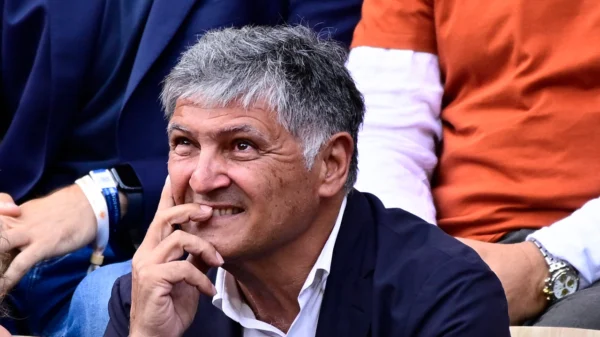
Toni Nadal stated that the primary cause of numerous injuries in tennis stems from the increasing speed of the ball, rather than the calendar itself. He shared this perspective on Onda Cero’s Radioestadio Noche on November 24.
The Ball Speed Argument
Nadal noted that as the ball accelerates, players have less time to properly set their feet and load for shots. This forces bodies into abrupt movements, such as pivoting on a planted heel or decelerating mid-stride, all of which carry risk when compressed over many matches.
He further suggested that tennis is unique among major sports because its fundamental equipment rules have not changed despite advancements in player size and racket technology. Nadal stated, “With these speeds,” he said, “it is very difficult not to have injuries.”
Evidence from the 2026 Season
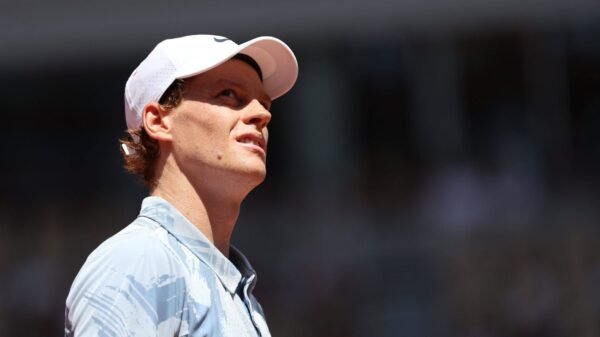
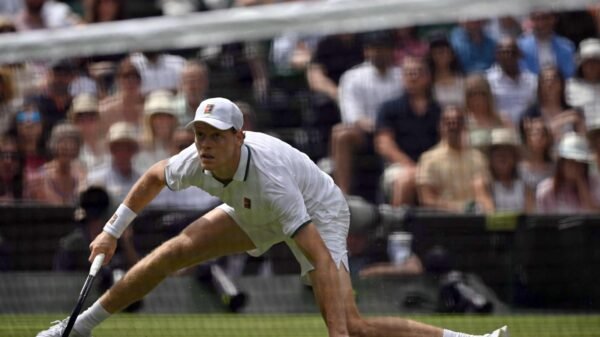
The 2026 season provided examples supporting this view. Jannik Sinner, ranked second in the world, has been sidelined since winning Wimbledon in July after undergoing surgery on his right knee’s iliotibial band in Finland.
Tennis Australia confirmed on November 26 that Sinner will miss the Australian Open, a title he successfully defended in both 2024 and 2025. Alcaraz also missed Roland Garros and Wimbledon earlier in the year due to a wrist injury.
Context of the Discussion
Nadal’s comments carry weight because Federer, who spent two decades at the top of the game defined by ball speed, retired in 2022 after needing multiple knee surgeries. While other players like Coco Gauff and Taylor Fritz have voiced concerns about the professional calendar, Nadal emphasized that these adjustments do not address the ball itself.
Sinner’s earliest realistic return window is cited as the Indian Wells and Miami swing in February and March 2027. If Sinner misses Melbourne, the Australian Open draw opens for Zverev, who finished 2026 as world No. 1, and Alcaraz.
Given these differing views on the source of physical strain, where does the industry focus its efforts?
