


























FIA Freezes Current Power Units Ahead of 2030 Engine Shift
F1 Engine Freeze Rules
FIA freezes current power unit development from mid-2028, restricting dyno work on upcoming V8s.
The FIA has confirmed that the development of current Formula 1 power units will be frozen starting with the 13th race of the 2028 season. Furthermore, restrictions have been placed on dyno testing for the forthcoming V8 engines to prevent any overlap between projects.
Current Power Unit Freeze Details
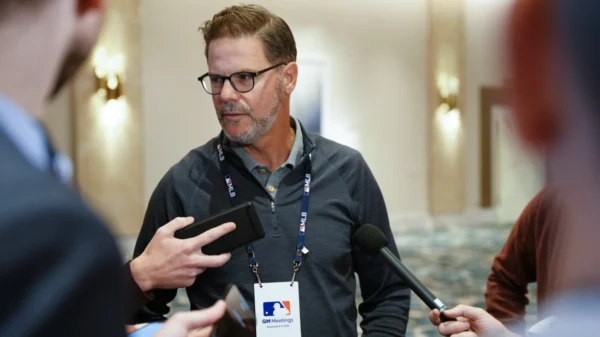
Nikolas Tombazis, FIA’s single-seater director, stated that this measure aims to stop manufacturers from managing two simultaneous programs and also prevents certain teams from gaining an unfair advantage. Practically, this means only reliability updates will be permitted for the current hybrid V6 power units after the freeze date; no further performance upgrades are allowed.
Restrictions on 2030 Engine Development
Before the mid-2028 cutoff, development of the 2.1-litre turbocharged V8 slated for 2030 faces limitations. Until October 1, 2027, manufacturers cannot conduct dyno work using a single cylinder. Additionally, full power unit dyno testing for the V8 is prohibited until July 1, 2028.
Tombazis noted that these rules do not affect newcomers, allowing General Motors to proceed with simulation work for their Cadillac power unit sooner.
Preventing Competitive Disparity
The timing of the July 1, 2028 date aligns closely with the engine freeze for current units. This coordination helps avoid high costs and an uncontrolled development race stemming from manufacturers managing parallel programs. The governing body also seeks to prevent a scenario where a highly competitive manufacturer under current rules could shift focus earlier than a lagging competitor.
“What we also want to avoid is that some of the current PU manufacturers may get a significant advantage if they are very competitive at the moment. They can stop earlier and then others who may be chasing may have a disadvantage.”
Tombazis mentioned that discussions regarding the ADUO rethink are related to this, stating, “We need to consider this whole topic in relation to our intention and what we’ve discussed with the PU manufacturers, so to freeze the current generation of engines from a certain point onwards.”
The agreement on the engine freeze has been reached with all involved parties. However, establishing changes to ADUO remains necessary to ensure no manufacturer faces an insurmountable deficit when the freeze takes effect.
Given these constraints, how will manufacturers manage convergence before the mid-2028 cutoff?
