
























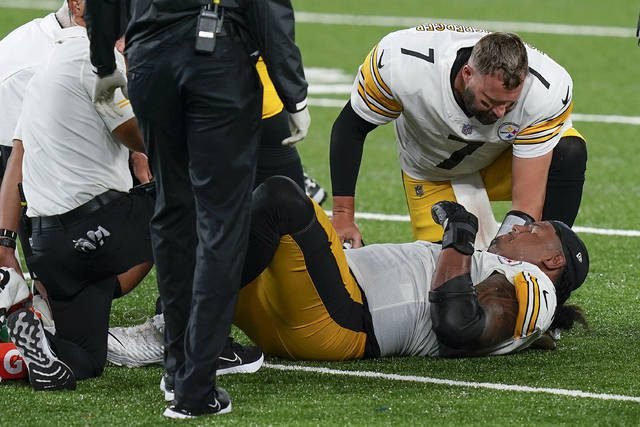
A player goes down on the field. The crowd, once loud, turns quiet. Teammates take a knee. The medical staff rushes in. In that moment, the biggest hit is not always to the body. It is to the mind.
Shock comes first. Then fear. Then confusion. A career built on strength and speed can be interrupted in a single second, and the player may not know how long the pause will last. Even athletes who look unbreakable on Sunday can feel scared and lost when they are carried off the field. These reactions are normal and human. Being tough on the field does not mean feeling nothing off it.
For many players, football is not just a job. It has been their life since they were kids. They woke up early for practice, planned meals around training, and dreamed of the league for years. The game shaped who they are, how they spend their days, and how others see them.
So when injury takes football away, even for a short time, it can feel like losing a part of themselves. Sadness and emptiness often follow. Many players quietly ask, “Who am I without the game?” It is a heavy question, and there is no quick answer. Without games, practices, and the daily rhythm of the team, days can feel long and meaningless. Tools like Overwell can help people learn to name their emotions and build a sense of self that is bigger than one role, which is useful for anyone facing a major life change.
This kind of identity loss does not mean a player is weak or ungrateful. It means he cared deeply about something, and now that something is out of reach. Seeing himself as a whole person, a son, a friend, a father, a learner, can slowly bring back a sense of purpose.
Football has a long history of praising players who push through pain. Stories of athletes who played with broken bones or sore heads are told with pride. This culture can be inspiring, but it also sends a quiet message: showing weakness is risky. Because of this, many players keep their feelings and even their symptoms to themselves. They worry that speaking up could cost them a roster spot, a contract, or the respect of teammates. The NFL is a business, and players know that someone else is always ready to take their place. So they say, “I’m fine,” even when they are not.
The problem is that silence does not make pain disappear. It makes it grow. A worry that could be shared in a short talk can turn into weeks of stress. A small sign of sadness can slowly become something much heavier. Over time, hiding feelings can be more tiring than the injury itself.
Recovery can be a lonely place. While the team travels, practices, and plays, the injured player spends long hours in the training room. The routine is slow and repetitive: stretch, lift, rest, repeat. Progress can feel tiny, and some days it seems to move backward.
Watching games from the sidelines adds another layer. A player may cheer for his teammates while quietly feeling left behind. He may feel like an outsider in his own locker room. This distance can bring anxiety, low mood, and endless questions. Will my body ever feel the same? Will the team still need me? Will I be as good as before?
Then there is the fear of getting hurt again. Even when the body is healing well, the mind may hold on to the memory of the injury. Every cut or jump in training can bring a rush of worry. And when progress is slow, doubt creeps in. A player may start to believe that his best days are over, even when his doctors say otherwise.
Body and mind are closely connected, and in recovery, they affect each other every day. Pain makes it hard to sleep. Poor sleep makes the next day harder to handle. A tired mind is more likely to feel irritable, hopeless, or anxious. And low mood can make pain feel even stronger. One problem feeds the next, like a circle that is hard to break. Long recovery periods add more strain. Some players use pain medicine, which can affect mood and energy, and in some cases can lead to dependence. Head injuries, which are common in football, can also change how a person thinks and feels. Players may notice memory problems, anger, or sadness that seems to come from nowhere.
This is why treating only the body often leaves part of the healing undone. A knee can be repaired with surgery and rehab, but a worried or heavy mind needs care too. When pain, sleep, and mood are looked at together, recovery becomes smoother and more complete.
The good news is that the culture is slowly changing. More teams now see mental health as part of player health. Open conversations in locker rooms are becoming more common, and some players have spoken publicly about their own struggles. Their honesty helps others feel less alone.
Many teams now include mental health professionals as part of recovery. A counselor or therapist can help a player handle fear, rebuild confidence, and sleep better. Support from family, close friends, and former players who have been through the same road can also make a big difference. Sometimes it helps most to hear, “I felt that too, and I got through it.”
Most importantly, the view of asking for help is shifting. Seeking support is not a sign of weakness. It takes courage to say, “I am not okay right now.” That same courage is what players show on the field every week.
True recovery means healing both body and mind. A player can return to the field in perfect physical shape, but without a steady mind, the comeback is only half complete. The strongest comeback starts with honesty about how you feel, and with the understanding that being human is part of being a great athlete. NFL Draft Diamonds was created to assist the underdogs playing the sport. We call them diamonds in the rough. My name is Damond Talbot, I have worked extremely hard to help hundreds of small school players over the past several years, and will continue my mission. We have several contributors on this site, and if they contribute their name and contact will be in the piece above. You can email me at nfldraftdiamonds@gmail.com

Losing an Identity Built on Football
The Pressure to Stay Tough
Isolation, Anxiety, and Doubt During Rehab
The Link Between Pain, Sleep, and Mood
Changing the Playbook: Building Mental Strength for the Comeback