
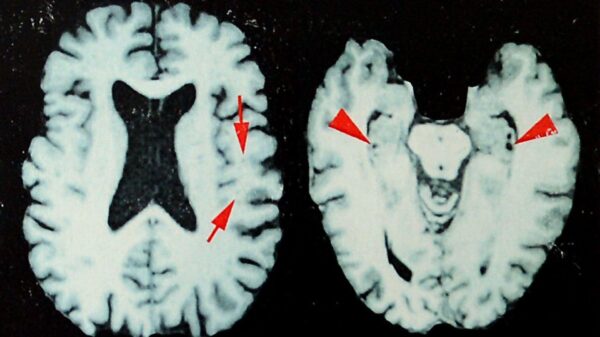




































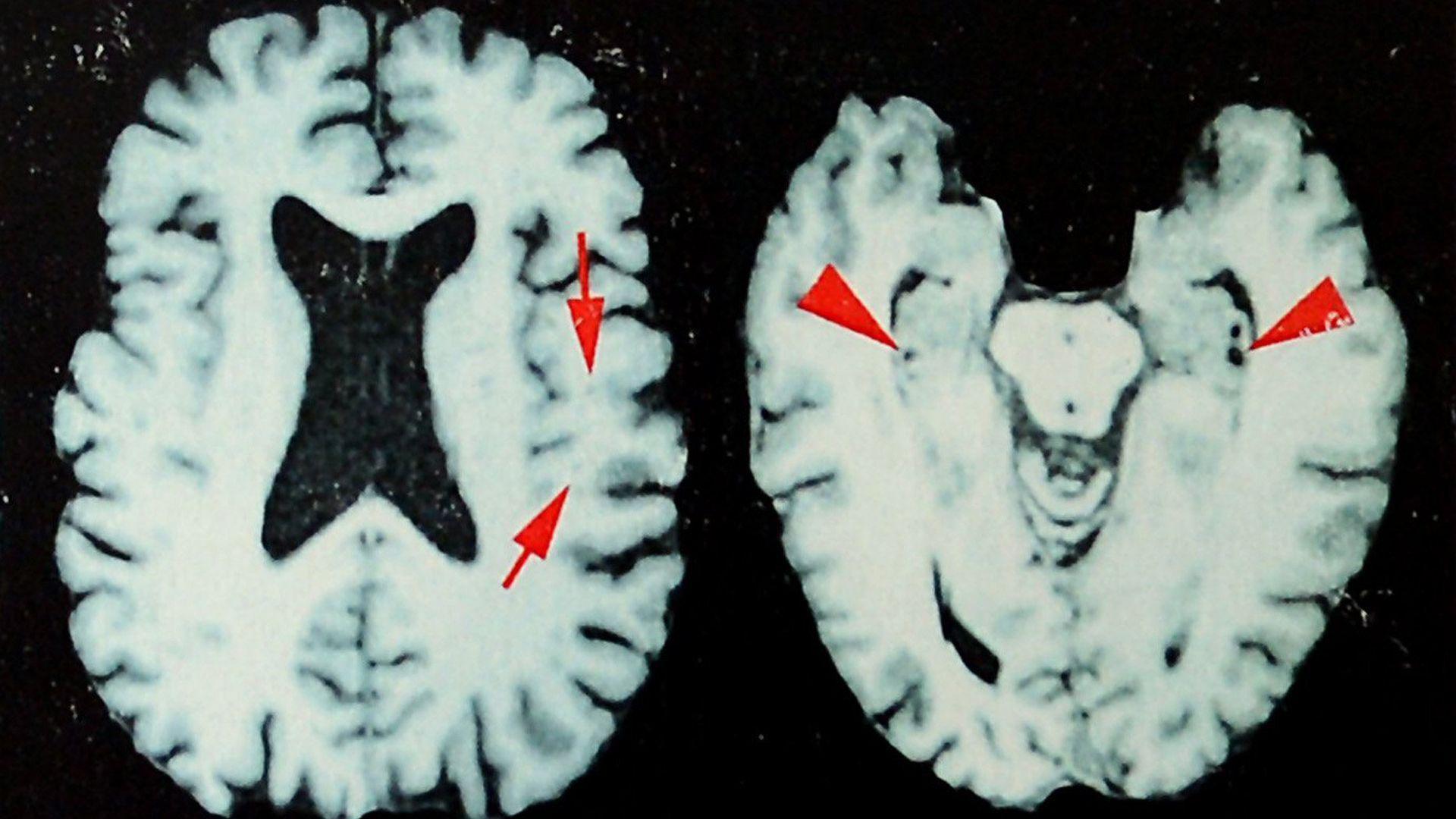
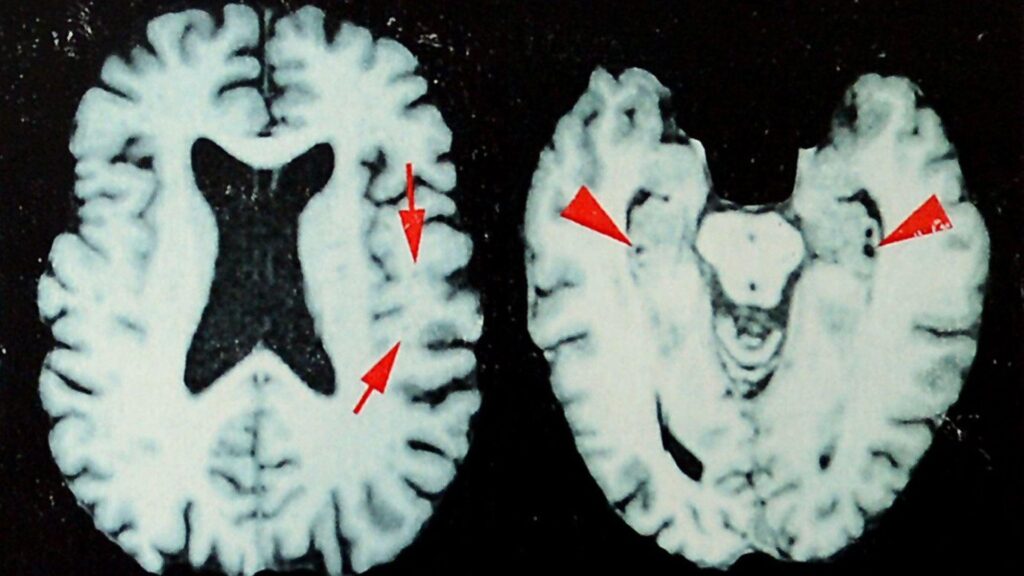
A new study published in the British Medical Journal is raising fresh concerns about the prevalence of chronic traumatic encephalopathy (CTE) among former professional football players.
Researchers found that at least one in four NFL players who died between 2016 and 2021 had CTE, a degenerative brain disease associated with repeated head impacts.
The study examined 878 players who appeared in at least one NFL game and died during the six-year period. Of those players, 235 had donated their brains for scientific research. Researchers discovered that 215 of the 235 donated brains—more than 90%—showed evidence of CTE.
Because CTE currently can only be definitively diagnosed after death, researchers rely on donated brain tissue to study the disease. That means the findings cannot be used to determine exactly how many living or deceased NFL players have CTE.
Researchers also emphasized that the 25% estimate should be viewed as a conservative figure.
Dr. Daniel Daneshvar, the study’s lead author, said the estimate is likely on the “low end” because brain donation is not random. Players and families who suspect a history of neurological problems may be more likely to participate in brain-donation research.
“The true rate is likely somewhere in the middle,” Daneshvar said, noting the significant difference between the 25% estimate across the overall group and the more than 90% rate found among donated brains.
The research involved scientists and data from Mass General Brigham, Boston University and the Concussion & CTE Foundation. Daneshvar serves as chair of physical medicine and rehabilitation at Mass General Brigham and is an associate professor at Harvard Medical School.
The findings add to a growing body of research examining the long-term effects of repeated head impacts in football. While the study does not mean that one out of every four NFL players will develop CTE, it highlights the need for continued research into the potential neurological consequences of playing football at the professional level.
CTE remains a major concern throughout the football community, particularly as researchers continue working to better understand its causes, progression and potential ways to identify the disease during a person’s lifetime.

NFL Draft Diamonds was created to assist the underdogs playing the sport. We call them diamonds in the rough. My name is Damond Talbot, I have worked extremely hard to help hundreds of small school players over the past several years, and will continue my mission. We have several contributors on this site, and if they contribute their name and contact will be in the piece above. You can email me at nfldraftdiamonds@gmail.com
