


































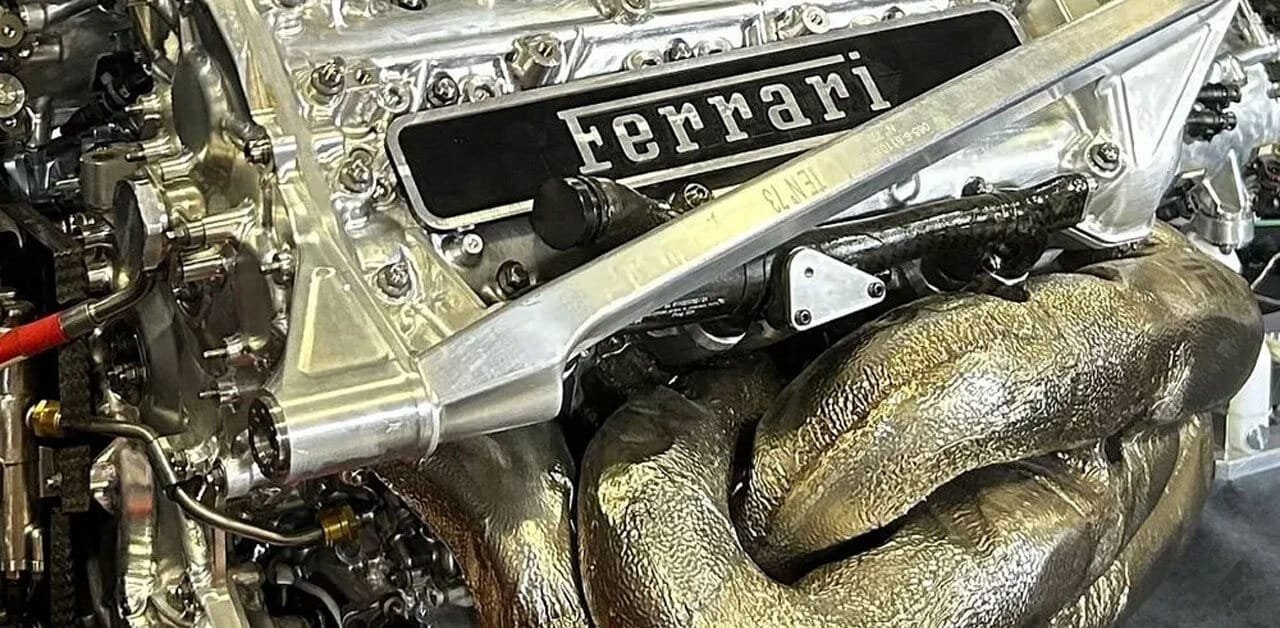
Formula 1’s planned shift to turbocharged V8 engines in 2030 prompts discussion regarding the future of active aerodynamics, a key technological innovation under the 2026 technical regulations.
F1 2030 Engine Regulations Defined
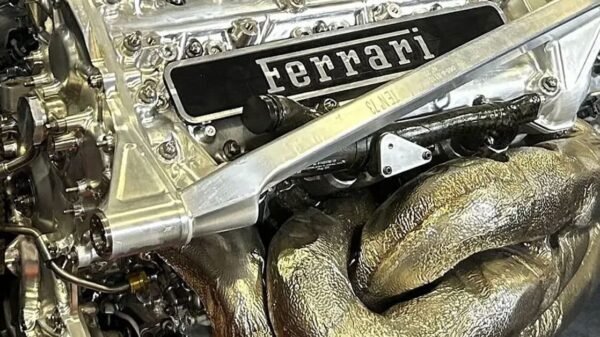
The fundamental characteristics of the upcoming internal combustion engine have been clarified. Manufacturers are understood to plan to keep the basic architecture of the current V6 engine but will add two cylinders, resulting in a displacement of roughly 2.1 litres.
This strategy is part of the agreement to reinstate V8 engines in Formula 1 by 2030 and aims to control development costs while shortening design time by using existing engine elements.
Induction and Hybrid Power
Formula 1 will retain turbocharging for induction, satisfying interest from fans and industry professionals for the sound of past engines without exceeding noise limits needed for street circuits.
The electrical component of the 2030 power units remains less certain. Electrical output is set to decrease from 300 kW to 100 kW.
Reports indicate that this reduction aligns with Ferrari’s preference for simpler energy management and reduced electrical power under the next generation of regulations.
Active Aerodynamics Question
Currently, it is known that electrical power will be used to provide an extra performance boost during overtaking maneuvers. This raises questions about how the system will function in practice and its effect on other current Formula 1 technologies.
The active aerodynamics system was introduced after 2026 power unit specifications were set, as cars would otherwise achieve straight-line speeds deemed insufficient for top-tier motorsport.
Active aerodynamics served as a solution to reduce aerodynamic drag, allowing current power units to better utilize the limited electrical energy available.
Future of Aerodynamics
With the introduction of the new V8 engines, the decision on retaining active aerodynamics may become more political than technical. Formula 1 might keep the technology to maintain a link with aerodynamic systems used on high-performance road cars.
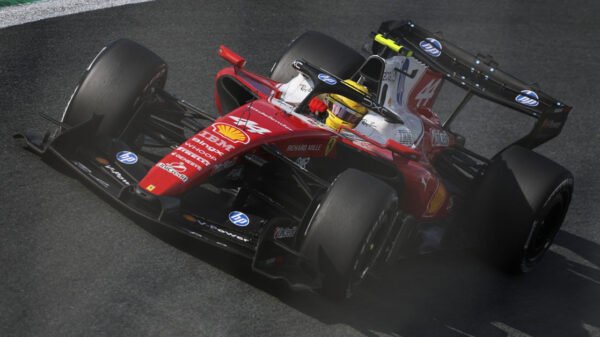
Conversely, removing active aerodynamics would mean losing an element from the 2026 regulations that generated significant engineering innovation, such as the Ferrari-inspired Macarena rear wing designs.
The return of V8 engines could address current regulatory limitations while simultaneously ending one of their most innovative technological achievements. Will the shift to V8 engines necessitate a change in aerodynamic philosophy?
