



















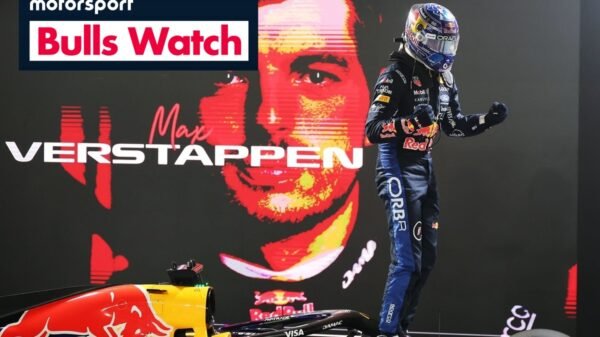















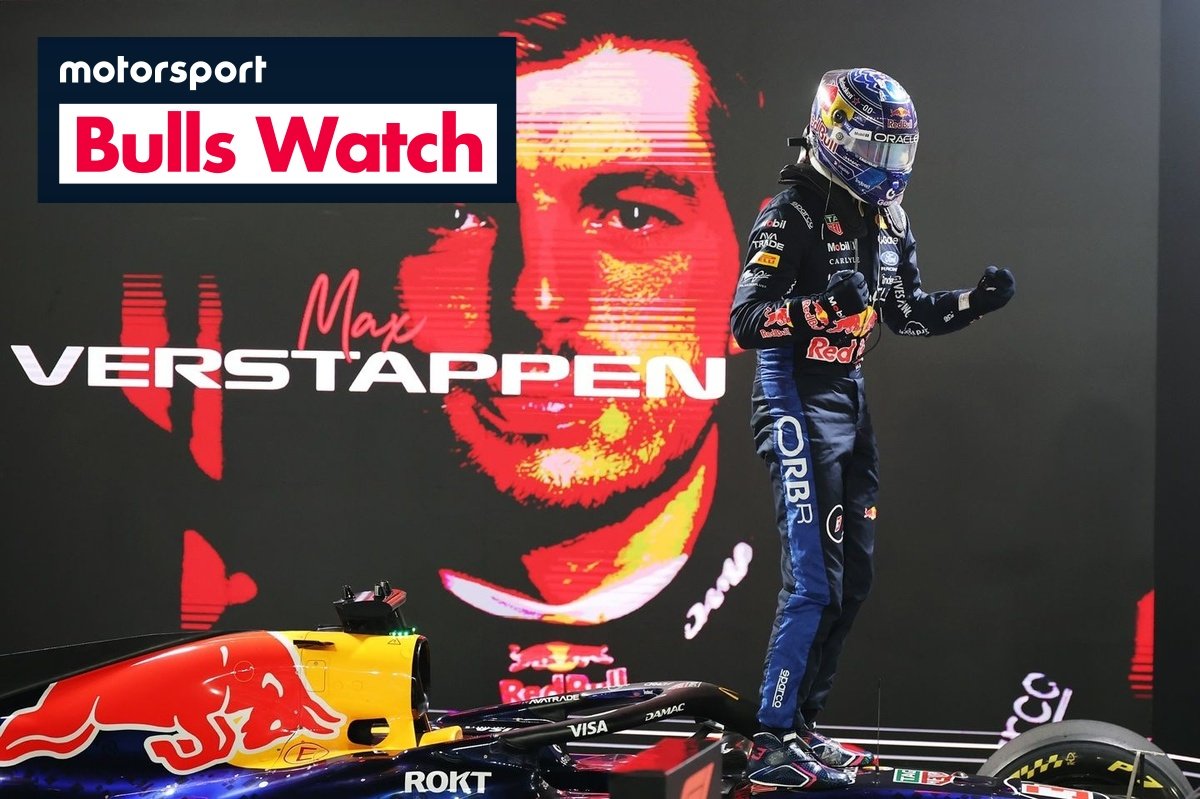
FIA filings reveal that Red Bull implemented an aerodynamic update involving a lowered dive-plane and sidepod refinements, which contributed to Max Verstappen’s victory at the Las Vegas Grand Prix.
Aerodynamic Adjustments Detailed
According to F1 Tech Weekly contributors Mark Hughes and Giorgio Piola, Red Bull combined a subtle front wing endplate modification in Nevada with an ongoing rework of the sidepods. This aimed to refine airflow from the nose area down to the floor, creating a car capable of enduring 50 intense laps characterized by slipstreaming.
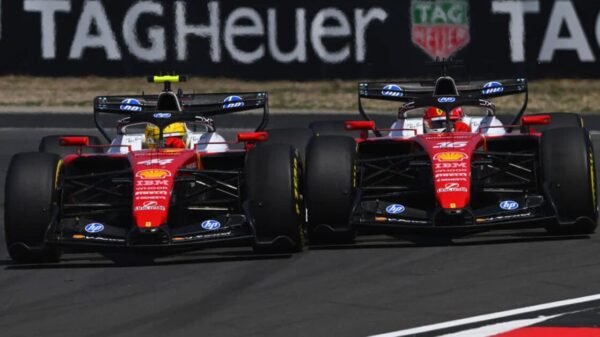
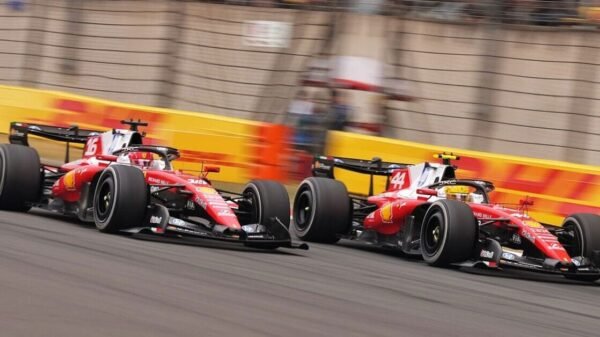
Official FIA Document 9 (Car Presentation Submissions, issued 19 November) shows how Red Bull differed from its competitors. Mercedes made changes such as stripping rear wing winglets, trimming mirror stays, and narrowing the engine-cover exit to reduce drag. Ferrari focused on optimizing its front floorboard for Strip efficiency.
Red Bull filed a single update categorized under Performance – Local Load: a repositioned front wing endplate dive-plane. Red Bull stated in its FIA submission, “In order to better protect the flow stability of the front wing endplate footplate as well as surfaces downstream, the dive-plane has been lowered and reduced in chord length.”
Function of the Dive-Plane
Red Bull had previously revised its front wing endplates during the Baku upgrade in September. For Las Vegas, engineers moved the dive-plane lower on the vertical endplate and shortened its length, mirroring a solution already used by sister team Racing Bulls.
The dive-plane serves three functions. In addition to generating downforce at the front axle, it sheds tip vortices that push turbulent front-tyre wake outward. It also splits airflow traveling over the top of the wheel from air skirting its side, thereby feeding cleaner flow along the car’s flanks.
Under the 2026 active-aerodynamics regulations, Hughes and Piola noted that the revised winglet stabilizes airflow during the transition between straight-line and cornering modes when the main front wing flaps rotate.
Sidepod and Floor Modifications
The front-end changes were part of a larger package. In Baku, Red Bull introduced taller, slimmer sidepods along with revisions to the floor and diffuser. Four weeks later in Mexico City (FIA Document 12, 30 October), engineers modified the sidepod-to-floor split line.
This involved grafting the curved lower bodywork from the pre-Baku specification onto the taller Baku upper pod. This action was intended to close off the floor-edge channel and recover local load beneath the radiator inlet while maintaining stability.
These hybrid lower sidepods remained unchanged through Sao Paulo and Las Vegas. They also indicated an earlier issue: internal structural cones added inside the lower bodywork, which were believed to prevent panels from deforming under heavy aerodynamic load.
Race Performance Context
Validating the new front wing endplate in Nevada was challenging. Rain canceled meaningful Thursday running during FP1 and FP2, leading Red Bull to rely on dry FP3 comparisons, including a mid-session wing swap for Isack Hadjar, before committing to the lowered dive-plane for qualifying and the race.
Verstappen clocked the second-fastest lap in Q3, finishing 0.258 seconds behind Kimi Antonelli. He secured pole position due to a five-place engine penalty handed to the Mercedes champion, and he beat Lando Norris by 0.639s while defending against both Mercedes and McLaren.
Since Red Bull implemented its Baku foundation, Verstappen has finished on the podium in seven consecutive Grands Prix and secured all four of his 2026 victories. This placed him at 304 points in second overall, keeping Red Bull nine points ahead of McLaren (440 to 431) for third in the constructors’ standings heading into Qatar.
Considering these technical updates and race results, what impact will these aero refinements have on future races?
