














The world of elite tennis is always defined by its peaks of brilliance and the sudden, sharp troughs of injury. As the calendar turns toward the Australian Open, a significant cloud has descended upon the landscape, casting doubt over the participation of one of the sport’s most dominant forces. The looming uncertainty surrounding Jannik Sinner, the reigning five-time Grand Slam champion, raises immediate questions about the shape and narrative of the coming season.
Tournament Narrative
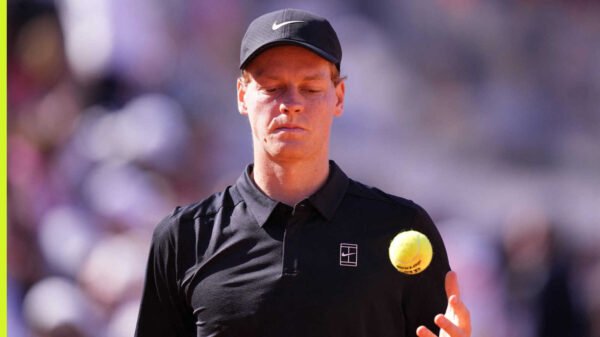
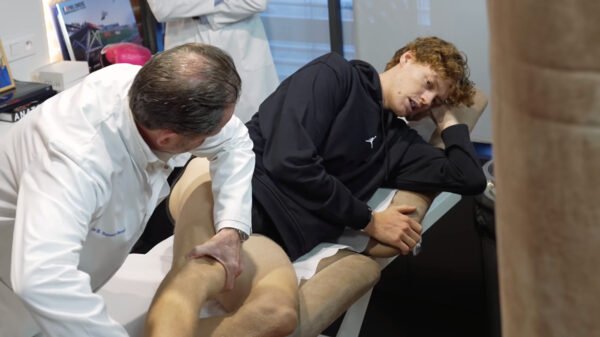
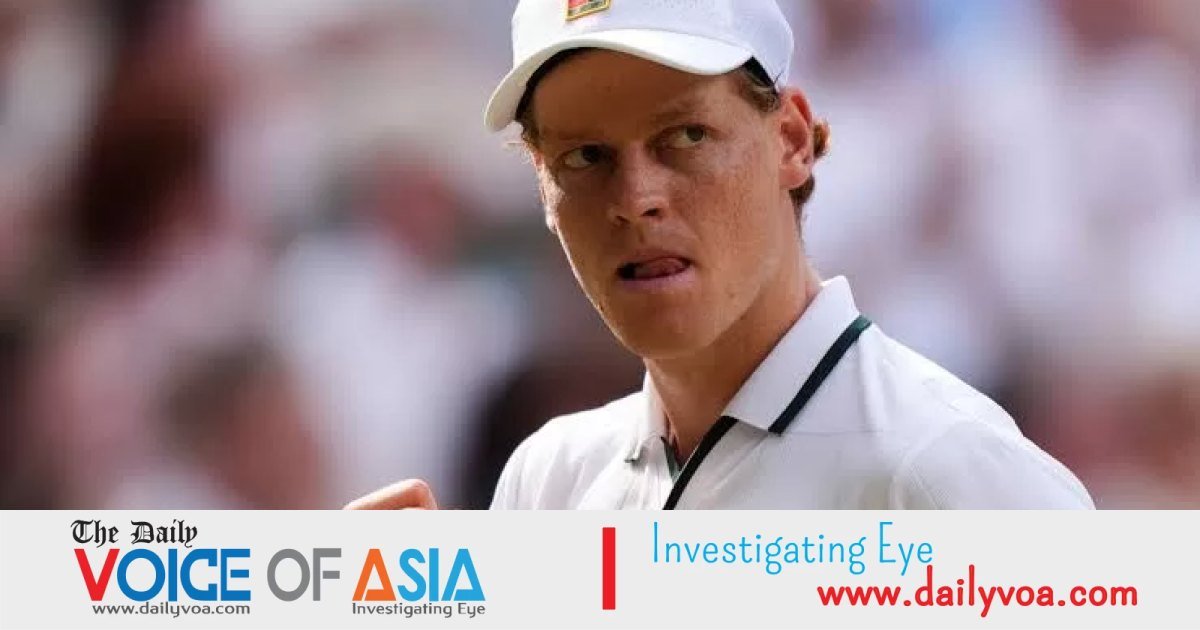
Reports emerging from Italy suggest that Jannik Sinner is scheduled to undergo surgery in Finland this week to address a persistent knee injury. This news, if confirmed, places the 25-year-old Italian, currently ranked second in the world, in a precarious position regarding the Australian Open, which is set to commence on January 17. Sinner has not stepped onto the court since securing his fifth major title at Wimbledon in July. The potential for a lengthy recovery period—reported by Italian sports daily Corriere dello Sport to be up to four months—has already begun to reshape the competitive dynamics of the tour.
The timing is particularly challenging for the men’s tour. The Australian Open serves as the crucial opening major of the year, an event where Sinner has historically demonstrated remarkable consistency. A four-month absence would not only impact his immediate Grand Slam ambitions but would also place considerable pressure on his preparation for the subsequent clay-court season and the French Open.
Player Performances
Sinner’s recent off-court journey has been marked by intense physical rebuilding. He has publicly discussed the challenges of regaining peak condition following a significant weight loss experienced after a tonsillectomy, a process that has added layers of complexity to his return timeline. While the focus is currently on his injury, his recent physical evolution speaks to the dedication required to compete at this elite level.
The ripple effect of Sinner’s potential absence has been immediate. During his time sidelined, Alexander Zverev ascended to the top of the rankings. Furthermore, Sinner himself made the difficult decision to end his season prematurely rather than risk exacerbating the injury, prioritizing long-term health over immediate tournament play.
Conditions & Surface
While the specific conditions of the Australian Open surface are yet to be fully tested by the top contenders, the nature of Sinner’s injury—a knee issue—suggests that his return will require meticulous management, regardless of the court speed or weather conditions in Melbourne.
Championship Context
The stakes surrounding any Grand Slam are always immense, representing the pinnacle of professional tennis. For Sinner, this tournament represents a continuation of a dominant run, cementing his legacy among the sport’s greats. His progression through the draw, should he be fit, would be a statement of sustained excellence. However, the current situation means that the narrative shifts from one of expected dominance to one of medical recovery and resilience.
Beyond his physical condition, Sinner’s support structure has also undergone changes. He recently parted ways with Australian coach Darren Cahill, welcoming Sweden’s Magnus Norman into his coaching setup, signaling an ongoing evolution in his preparation strategy.
What Comes Next
The immediate future hinges entirely on the outcome of the surgery, which is scheduled for Tuesday, according to Sky in Italy. The procedure is being performed by Lasse Lempainen, a Finnish specialist highly regarded for his expertise in tendon and muscle injuries. Neither Sinner nor his representatives have provided a definitive timeline for his return; the first concrete update is anticipated only after the surgery and subsequent medical review.
The tour will proceed without its top seed, forcing other players to seize opportunities and potentially redefine their own seasons in the absence of such a formidable opponent. The remaining rounds of the Australian Open will be defined by the strength of the field stepping up to fill the void left by potential absences.
Given the uncertainty surrounding such a pivotal figure, what does this potential absence mean for the overall competitive balance of the Australian Open, and how will the field adapt to the sudden shift in power dynamics?
