


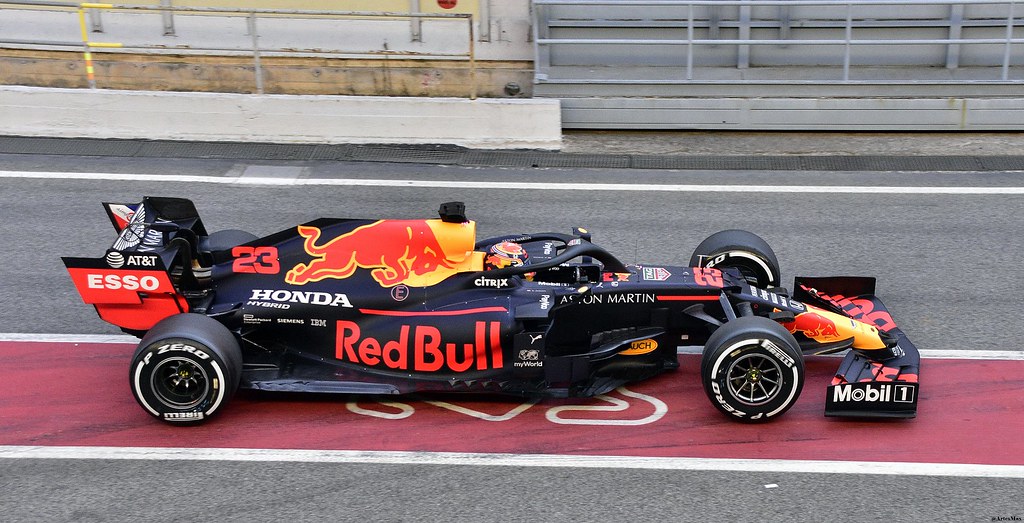






F1 Announces Major Changes Ahead of 2026 Season
Introduction
The FIA has officially confirmed significant regulatory changes for the 2026 Formula 1 season, involving power unit designs, sustainability initiatives, and rallying commitments from major teams. With the focus now shifting towards these updates, this announcement comes at a pivotal time as teams head into the 2024 season, already laying foundations for future competitiveness.
Official Details
The FIA, in collaboration with Formula 1 management, unveiled a comprehensive set of regulations for the 2026 season. Key aspects include the introduction of new power units that integrate greater hybrid technology and sustainability options aimed at reducing carbon emissions.
The regulations will require teams to adopt more environmentally friendly fuels and enhance the electric capabilities of their engines. Notably, the new units are expected to push the current performance boundaries while aligning with Formula 1’s commitment to becoming net-zero by 2030.
This announcement also highlights increased involvement from existing teams such as Mercedes, Ferrari, and newcomers like Audi, all eagerly adjusting their strategies in light of these developments.
Immediate Impact
As teams assess these changes, the implications are wide-reaching. Teams with substantial resources, like Mercedes and Ferrari, are expected to ramp up their R&D efforts to fully capitalize on the new power unit regulations. Meanwhile, less established teams may face challenges in securing the necessary resources to compete effectively.
There’s an immediate impact on the 2024 racing calendar as teams look to bridge the gap between the current and upcoming regulations. Upcoming races will involve increased testing of existing power units, alongside strategies that align with 2026 compliance. Drivers transitioning to these new engines will need to adapt their driving styles to new technological features, further complicating the pace and performance across the grid.
Context
This latest announcement comes on the heels of ongoing discussions around sustainability and performance in Formula 1. Earlier in 2023, teams voiced concerns about balancing competitiveness with environmental responsibility, and a growing push from fans has called for greener solutions. Additionally, recent testing and discussions around engine reliability and performance have set the stage for this regulatory shift.
The decision to push for advanced hybrid technology is viewed as a necessary progression in response to global environmental concerns and the future of motorsport as a whole, marking the next significant step toward a more sustainable series.
Why This Matters
With the championship entering a crucial juncture, the timing of these announcements cannot be overstated. Considering the close championship race in 2025, the changing power dynamics could significantly impact team strategies, driver performances, and fan engagement in upcoming seasons.
Teams must now focus on the feasibility of integrating these technologies while maintaining or enhancing their on-track competitiveness. Furthermore, the logistics of transitioning to these new standards could cause shifts in sponsorship dynamics and partnerships—a key factor given the sale and acquisition of team resources.
What Comes Next
In the coming months, expect more detailed discussions around the specifics of the new power units from each team. Teams will begin testing new fuels and concepts during off-season test sessions, with a clearer picture emerging in early 2024. The FIA will also oversee a series of workshops to ensure compliance and provide guidance for teams as they adapt to these significant changes.
As anticipation builds, teams will need to finalize their designs and strategies to adapt to the evolving framework, ensuring that all are in compliance before the start of the 2026 season.
Are you excited about how these new regulations will change the competitive landscape in Formula 1?
