




















Ferrari’s Recent Technical Update: Analyzing the FIA Decision for a Performance Boost
In an exhilarating turn of events, Ferrari recently received a small performance boost following an official FIA decision regarding modifications to their car’s aerodynamics. This update is significant not only for the Scuderia but also for the overall 2023 Formula 1 season as teams strive for any competitive edge. With the stakes high, understanding how and why this change matters can give fans deeper insight into the complexities of F1 engineering.
SECTION 1: Technical Details
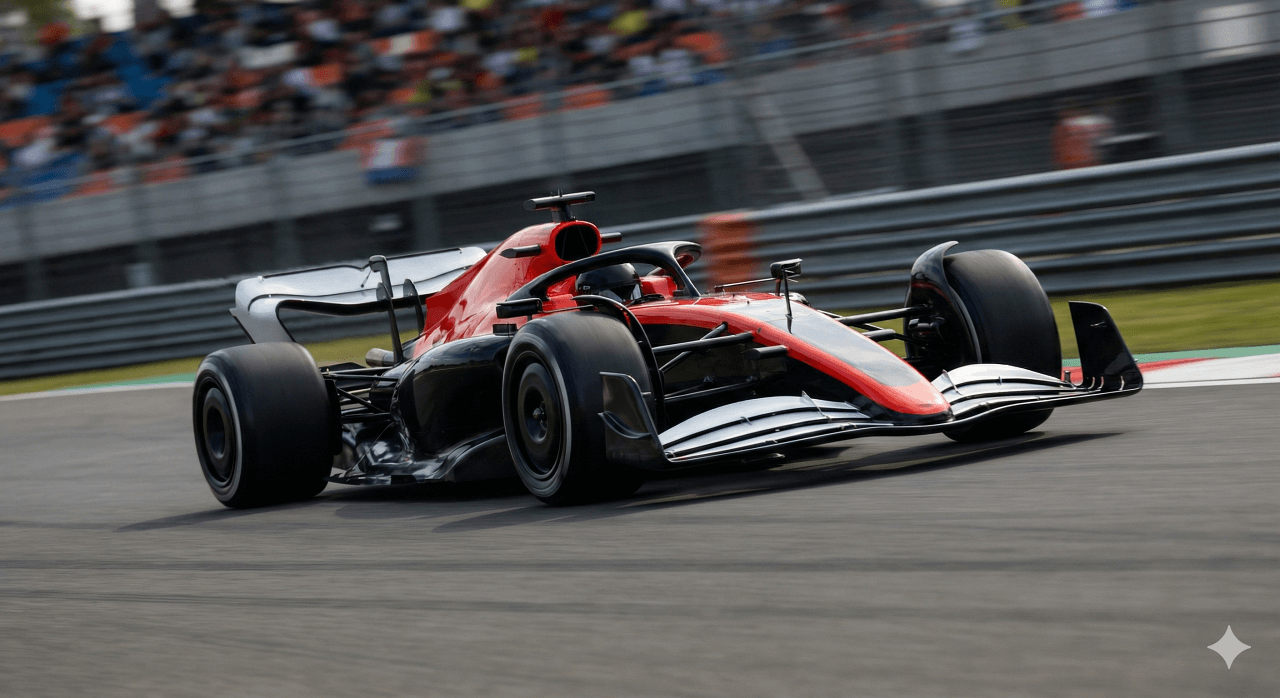
Ferrari’s upgrade revolves around a series of aerodynamic adjustments that have been sanctioned by the FIA. These modifications primarily involve a redesign of the front wing and the corresponding airflow management elements around the car’s nose.
Teams describe such changes as vital to optimizing airflow, which can significantly affect the vehicle’s downforce and overall balance during cornering. By reshaping the front wing’s shape and angle of attack, Ferrari engineers aim to improve the efficiency of airflow traveling over the bodywork, with particular attention to maintaining stability at high speeds. This decision comes on the back of rigorous testing and analysis, showcasing Ferrari’s commitment to maximizing the potential of their SF-23 chassis.
SECTION 2: Intended Performance Impact
The primary objectives of these aerodynamic updates include a more balanced handling profile, reduced tire wear, and enhanced overall efficiency on track. While Ferrari has refrained from making specific lap time claims, the intended performance impacts could translate into better lap consistency and increased competitiveness, especially in high-speed sections of the circuit.
The modifications are designed to allow drivers to carry more speed through corners without experiencing excessive tire degradation, which has been a critical concern throughout the season. By improving balance, Ferrari aims to better suit the driving styles of their drivers, potentially unlocking higher performance levels in races where car handling plays a pivotal role.
SECTION 3: Competitive Context
In the tightly contested arena of Formula 1, every little advantage counts, and Ferrari’s recent sanctions align them more closely with their rivals, particularly Mercedes and Red Bull Racing. These teams have demonstrated a strong grip on aerodynamic efficiency, especially in the latter half of the season, showcasing their ability to exploit every aerodynamic nuance.
Ferrari has been in a unique position, having shown promise at various points in the season but often falling short against rival teams due to minor deficiencies in their aerodynamic performance. This upgrade can be interpreted not just as a means of improving their car but also as a strategic move to reclaim competitiveness against teams that have set the benchmark for performance. As a result, this small boost may have larger implications in the battle for podiums as the season progresses.
SECTION 4: Season Implications
Looking beyond the immediate benefits, Ferrari’s decision to invest resources in this upgrade reflects its larger developmental direction for the remainder of the season. The team’s engineering department is likely to prioritize further aerodynamic enhancements, focusing on areas where they’ve struggled in prior races.
Furthermore, this update may also indicate a shift in resource allocation within the team as they work to balance between the development of the current car and planning for the next season. In an era of stringent cost caps and regulations, strategic resource management can often determine a team’s trajectory and long-term competitiveness.
With the addition of new aerodynamic elements, Ferrari showcases its adaptability and willingness to innovate within the current regulations, setting a foundation for ongoing development. This is particularly critical as teams look to not only close out the current season strongly but also pave the way for greater ambitions in 2024.
SECTION 5: What to Watch Next
As Ferrari embarks on its data validation phase, attention shifts to upcoming races where the team can put these upgrades to the test. Two pivotal circuits on the calendar, known for their aerodynamic demands, will provide a real-world scenario for testing the efficiency of the modifications.
Fans should look forward to how the Scuderia performs in the next few races. Data enrichment from practice sessions will be crucial in validating the effectiveness of the updates. Observing the handling characteristics of the SF-23 on both high-speed straights and tight corners will give fans a granular look at how aerodynamic improvements translate into on-track performance.
Thoughtful Fan Question
As Ferrari implements these upgrades, how do you think the team’s performance will impact this year’s championship race, particularly in terms of rivalry dynamics with Mercedes and Red Bull Racing?
