





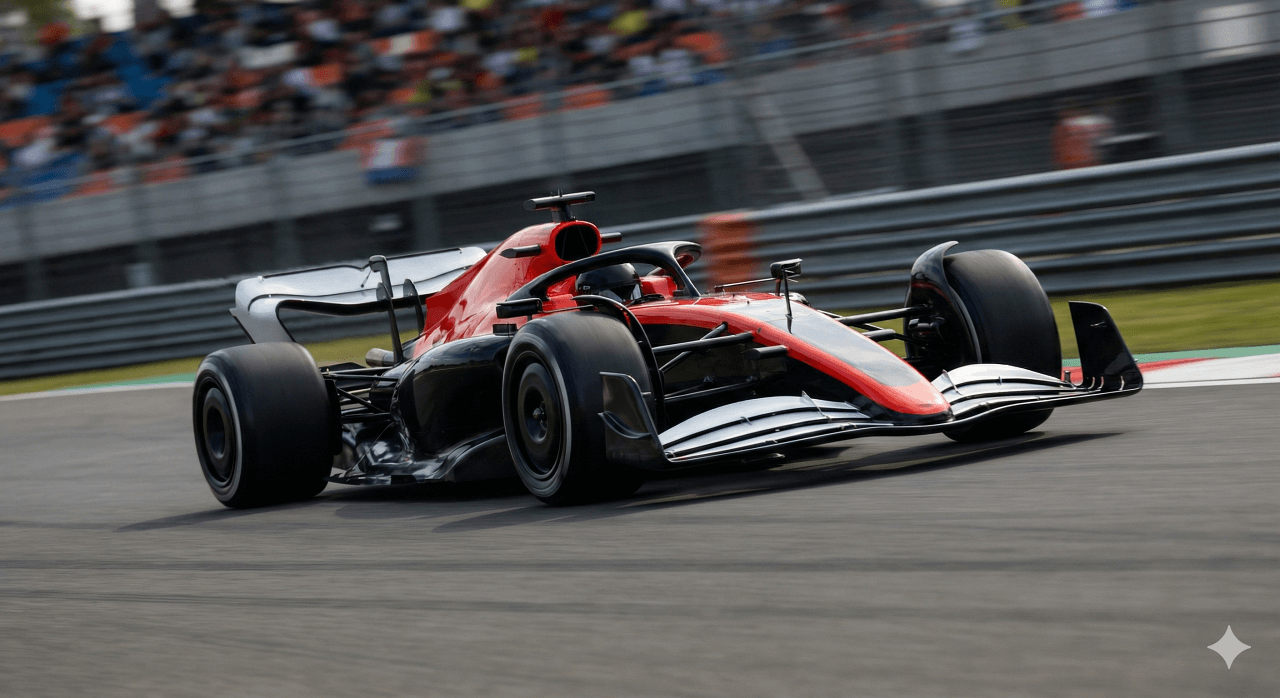





Ferrari’s Comprehensive Miami Upgrades: A Transformation in Performance
As the Formula 1 season progresses, teams continually adapt and evolve their cars to gain an edge. At the forefront of these developments is Scuderia Ferrari, which recently unveiled a suite of notable upgrades ahead of the Miami Grand Prix. These enhancements encompass significant improvements to aerodynamics and engine software, marking a crucial step in Ferrari’s ongoing battle for competitiveness. This article delves into the specifics of these upgrades, their intended impact, and how they position the team in the current competitive landscape.
Technical Details
The recent upgrades from Ferrari focus primarily on two areas: aerodynamic efficiency and engine performance. The team has made alterations to both front and rear wing designs, optimizing airflow around the vehicle to reduce drag while enhancing downforce. The changes include reshaped wing elements that direct air more effectively, aiding tire performance and overall grip.
Ferrari’s aerodynamicist, discussing these updates, emphasized the importance of achieving a "more balanced airflow" across the car’s surface. This shift is expected to aid in managing tire degradation while also allowing the car to exploit higher cornering speeds. Additionally, engine performance has been fine-tuned through a software update that optimizes power delivery, making it more responsive across various throttle inputs.
This dual focus on aerodynamics and engine efficiency exemplifies Ferrari’s strategy to fine-tune the SF-23 to become more adaptable to different circuits and weather conditions, particularly in the tighter confines of the Miami circuit.
Intended Performance Impact
The combination of these upgrades aims to enhance several key performance metrics: balance, tire wear, and fuel efficiency. First and foremost, the aerodynamic adjustments are expected to provide a more stable ride, which will contribute to a more predictable handling balance under various conditions. This stability is particularly beneficial during high-speed corners and during tire allocation periods.
The focus on reducing tire wear is another critical aspect of this upgrade. By improving airflow management, Ferrari hopes to minimize overheating, which is often a contributing factor to accelerated tire degradation. Ultimately, the aim is to extend stint lengths and provide drivers with a more consistent performance over the race duration, without compromising track position.
While Ferrari has not made explicit lap time claims, the overall expectation is that these upgrades can yield tangible benefits in qualifying and race scenarios, enabling more competitive performances against rivals.
Competitive Context
In the current landscape, Ferrari finds itself in rigorous competition with teams like Red Bull Racing and Mercedes-AMG. Both teams have historically set the benchmark for performance and consistency. The aerodynamic and engine updates for Ferrari could serve as a significant countermeasure against Red Bull’s dual dominance in both pace and race strategy. The precise adjustments in Ferrari’s setup should help them challenge for podium positions more consistently, particularly on circuits where aerodynamic efficiency plays a crucial role.
Additionally, the upgrades also push Ferrari into a more competitive stance against mid-tier teams such as McLaren and Alpine, who are increasingly closing the gap. As the Miami Grand Prix approaches, all eyes will be on how these changes influence Ferrari’s performance relative to both leading and rival teams, making it a compelling storyline in the ongoing season.
Season Implications
The comprehensive nature of these upgrades signals a definite shift in Ferrari’s development direction. The team has clearly been focused on understanding the balance between downforce and drag while enhancing power delivery from the internal combustion unit. This strategic update acts as a foundation for further developments, potentially extending into additional upgrades planned for future races.
From a resource allocation perspective, Ferrari’s approach exemplifies a calculated investment into maximizing initial performance gains early in the season. The considerable effort towards these upgrades has implications for resource management, as the engineering team will need to maintain a careful watch on the performance metrics from these enhancements while still looking ahead to future updates.
What to Watch Next
As the Miami Grand Prix unfolds, fans and analysts alike will eagerly scrutinize Ferrari’s performance metrics to validate the upgrades. Key areas of focus will include the car’s handling characteristics, tire performance throughout the race, and overall pace relative to rivals.
In addition to Miami, upcoming circuits that might favor the aerodynamic profile of the SF-23 include those with varied elevation changes and tight corners that can test the car’s balance. The effectiveness of the new engine software during these various scenarios will also be under intense scrutiny.
With many races left in the calendar, including the technical hotspots of Monaco and Barcelona, the upcoming races will be imperative for Ferrari to not only gather valuable data but also to affirm its standing as a potential championship contender.
Thoughtful Fan Question: Given Ferrari’s recent upgrades and their historical reputation for performance, do you believe they can pose a legitimate championship challenge to Red Bull and Mercedes, or will consistency still elude them?
