








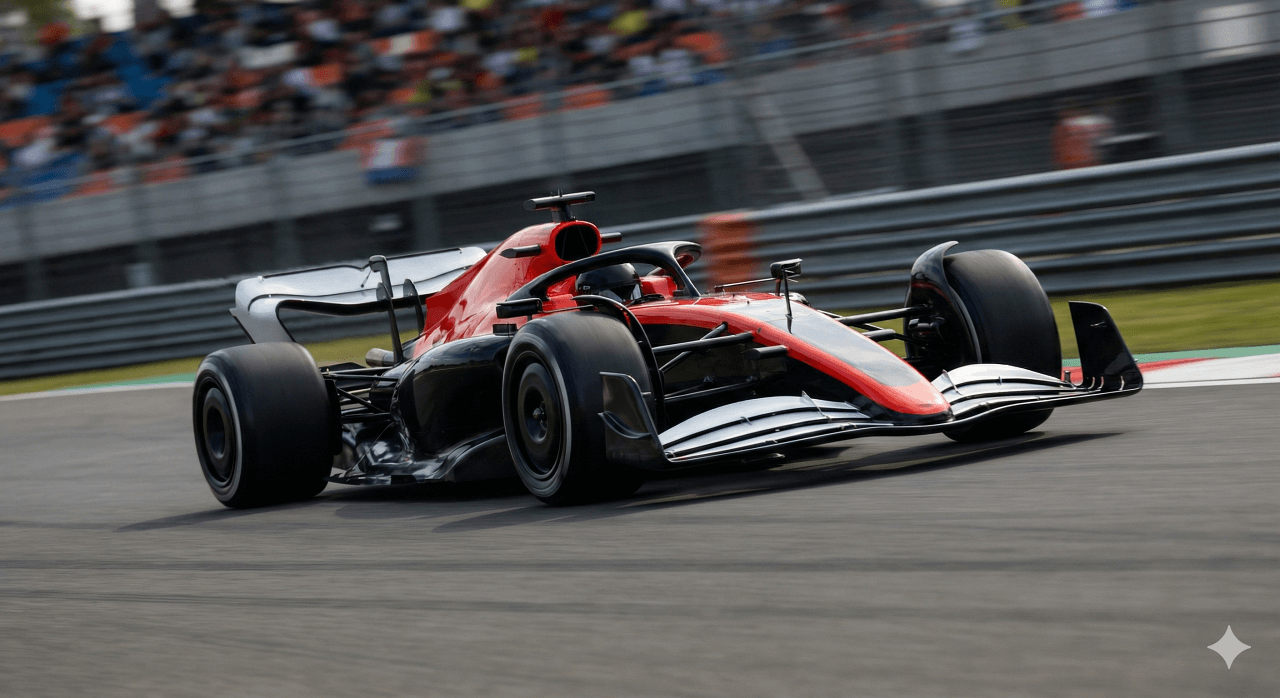





Technical Analysis: Ferrari’s Upgrades for the SF-26 at the Miami Grand Prix
INTRO
Ahead of the highly anticipated Miami Grand Prix, Scuderia Ferrari has officially announced a significant update to their SF-26 car. The upgrades include enhancements in aerodynamics and suspension settings aimed at improving overall performance. For a team that is historically renowned for its technical prowess, these modifications could have substantial implications for both the immediate race and the season at large. As Ferrari scrambles to regain competitive traction against rivals like Red Bull and Mercedes, the stakes couldn’t be higher.
SECTION 1: Technical Details
The main focus of the update revolves around the car’s aerodynamic profile and suspension adjustments. Ferrari has tweaked the front and rear wings: the front wing now boasts a revised flap design that aims to enhance downforce while maintaining stability at high speeds. This adjustment alone could result in more grip during critical cornering phases, which is essential on Miami’s tight and technical circuit.
Additionally, the suspension system has been re-calibrated to provide a better balance between ride comfort and responsiveness. The team has incorporated adjustments that allow for faster weight transfer during acceleration and braking. In layman’s terms, this means the car should feel more agile on track, allowing drivers to push harder into corners while minimizing tire degradation.
According to Ferrari’s engineers, the upgrade is about fostering a more predictable handling characteristic without compromising straight-line speed. Enhancements in the aerodynamic package are described as a "recalibration" rather than a complete overhaul, signaling a strategic approach to sustaining development momentum throughout the season.
SECTION 2: Intended Performance Impact
While exact lap time improvements are often difficult to quantify pre-race, the intent of these upgrades is clear: to improve car balance and efficiency. With better aerodynamic performance, particularly on a circuit characterized by its street course nature, the SF-26 aims to ease tire wear and enhance overall performance across race distances.
The modifications should help the drivers manage tire temperatures more effectively. With the Miami circuit’s unique asphalt and layout, tire management is critical to achieving optimal performance. If successful, these changes should enable Ferrari to execute race strategies more effectively, allowing for longer stints and faster pit stop strategies—an area where they’ve historically faced challenges.
SECTION 3: Competitive Context
In the context of the 2023 season, the upgrade positions Ferrari in a make-or-break scenario. The Scuderia has been grappling with performance issues relative to its rivals, particularly Red Bull, who have continued to dominate the grid with their RB19. Mercedes has also improved significantly after further aligning their development focus, making it essential for Ferrari to show that they’re not just making incremental improvements but are genuinely in the hunt for podium finishes.
Many considered Ferrari’s performance in the opening races of the season underwhelming, particularly given their rich pedigree in the sport. The updates aim to close the gap, particularly on circuits that pose unique challenges, such as the technical Miami layout. If properly executed, these upgrades could not only lead to better results in Miami but also set the tone for the remainder of the season.
SECTION 4: Season Implications
The implications of this update extend beyond just the Miami Grand Prix. As the technical development race heats up, Ferrari’s commitment to continuous improvement signals a broader strategy that emphasizes innovation and adaptability. The team’s resource allocation will be crucial, as they balance immediate race needs with long-term goals, particularly with the upcoming races in Europe where tracks may favor their car’s strengths.
Furthermore, this upgrade showcases Ferrari’s dedication to resolving past issues, particularly with regard to balance and tire management—areas that plagued them last season. As we approach the mid-season point, the team’s performance will dictate how they allocate resources for future upgrades, affecting everything from design to wind tunnel testing.
SECTION 5: What to Watch Next
Looking ahead, fans should closely observe Ferrari’s performance at the Miami Grand Prix. Key indicators will include how the car handles during free practice sessions and qualifying, with particular attention to tire wear and degradation patterns. Engineers will collect valuable data that will be crucial for validating the upgrades’ effectiveness in real-world conditions.
Additionally, post-race analyses will shed light on whether the adjustments had the intended effect, particularly in comparison to rivals. Opportunities for further refinements may arise depending on how well the SF-26 performs on the bumpy Miami street circuit.
Closing Thought
As Ferrari fans eagerly await to see if this fresh wave of upgrades translates into much-needed results, we pose an intriguing question to the community: How do you think Ferrari’s upgrades will impact their strategy in the upcoming races, and do you believe they have the potential to contend for race wins this season?
