






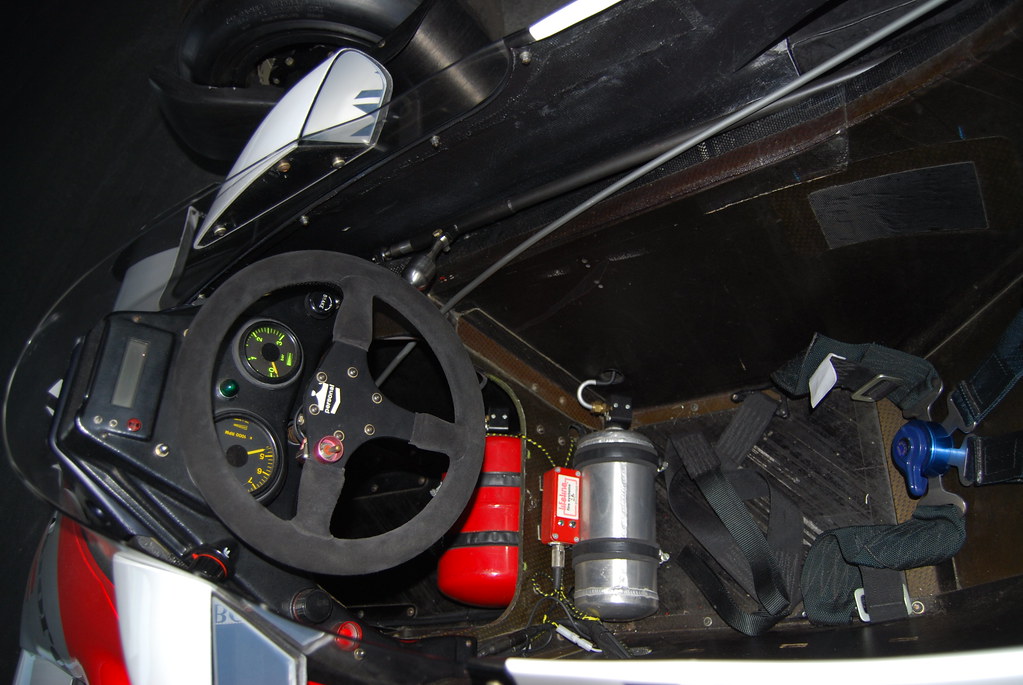


Max Verstappen Critiques Modern F1 Cars, Advocates for Simplicity in Racing Design
In a recent interview, reigning Formula 1 World Champion Max Verstappen voiced his concerns regarding the complexity of modern F1 cars, suggesting that they have detracted from the essence of racing. This critique gained significant attention due to its implications for the sport’s future, as well as the designs of upcoming vehicles. Verstappen’s statements are particularly timely, given the ongoing discussion about improvements in car performance and fan engagement in the sport.
Official Details
Verstappen’s remarks were made during a promotional event ahead of the upcoming United States Grand Prix. He stated, “Today’s cars are incredibly intricate, which can be exciting for engineers, but they often lack the raw excitement of simpler designs.” His comments resonate alongside official FIA announcements emphasizing the goal of revamping regulations to enhance overtaking opportunities and improve race spectacle in the coming seasons.
The FIA confirmed that their long-term strategy involves refining the aerodynamic regulations to strike a balance between performance and driver involvement. This commitment could directly influence the next generation of F1 cars, making them both more adaptable and easier to handle for drivers.
Immediate Impact
Teams and drivers are likely to feel the ramifications of Verstappen’s critique, especially as discussions around car developments intensify ahead of the 2024 season. Many teams have already invested heavily in the current car designs, which offer cutting-edge technology and performance metrics. However, adapting to an era emphasizing simplicity may require a reevaluation of both engineering and driver training.
The upcoming United States Grand Prix in Austin will serve as a notable backdrop for these discussions. With chatter escalating around car dynamics, fans can expect heightened conversations about what constitutes an optimal Formula 1 vehicle, potentially influencing strategic approaches during the race weekend.
Context
Verstappen’s comments come on the heels of a contentious summer in F1, marked by debates on car regulations and the extent of technical progress. Recent discussions have revolved around the detrimental effects of complex car systems on race quality, as fans have expressed a desire for more competitive battles on the track. Teams like Ferrari and Mercedes have also raised concerns about the current technical limitations and how they diminish driver skill, adding further credence to Verstappen’s sentiments.
Additionally, the sport’s governing body has faced pressure from fans and promoters to deliver more thrilling races, creating a heightened sense of urgency to simplify car designs and improve the overall racing experience.
Why This Matters
Given that we are in the closing phases of the current season, Verstappen’s critique could alter team strategies and planning as they head into the next championship cycle. Simplified car designs may lead to an increase in competitive parity, allowing emerging teams to challenge established powerhouses like Red Bull Racing and Ferrari more effectively. The push for uncomplicated racing could also reinvigorate fan engagement, making races more accessible and entertaining, aligning with F1’s efforts to attract new viewers in North America.
Moreover, this dialogue positions the upcoming regulatory changes as critical components in balancing performance with driver engagement, potentially reshaping the competitive landscape for years to come.
What Comes Next
In light of Verstappen’s statements, the FIA will hold a meeting next month to discuss proposed regulations surrounding aerodynamics and car design. This meeting will be pivotal in determining how quickly changes can be implemented for the 2024 season. Additionally, teams are expected to begin publicly outlining their development plans, specifically in response to the trends that Verstappen and other drivers have highlighted.
As teams look forward to the U.S. Grand Prix, fans are left wondering about the potential future direction of Formula 1 car design.
Will the changes proposed by Verstappen lead to a more competitive and engaging Formula 1?
