





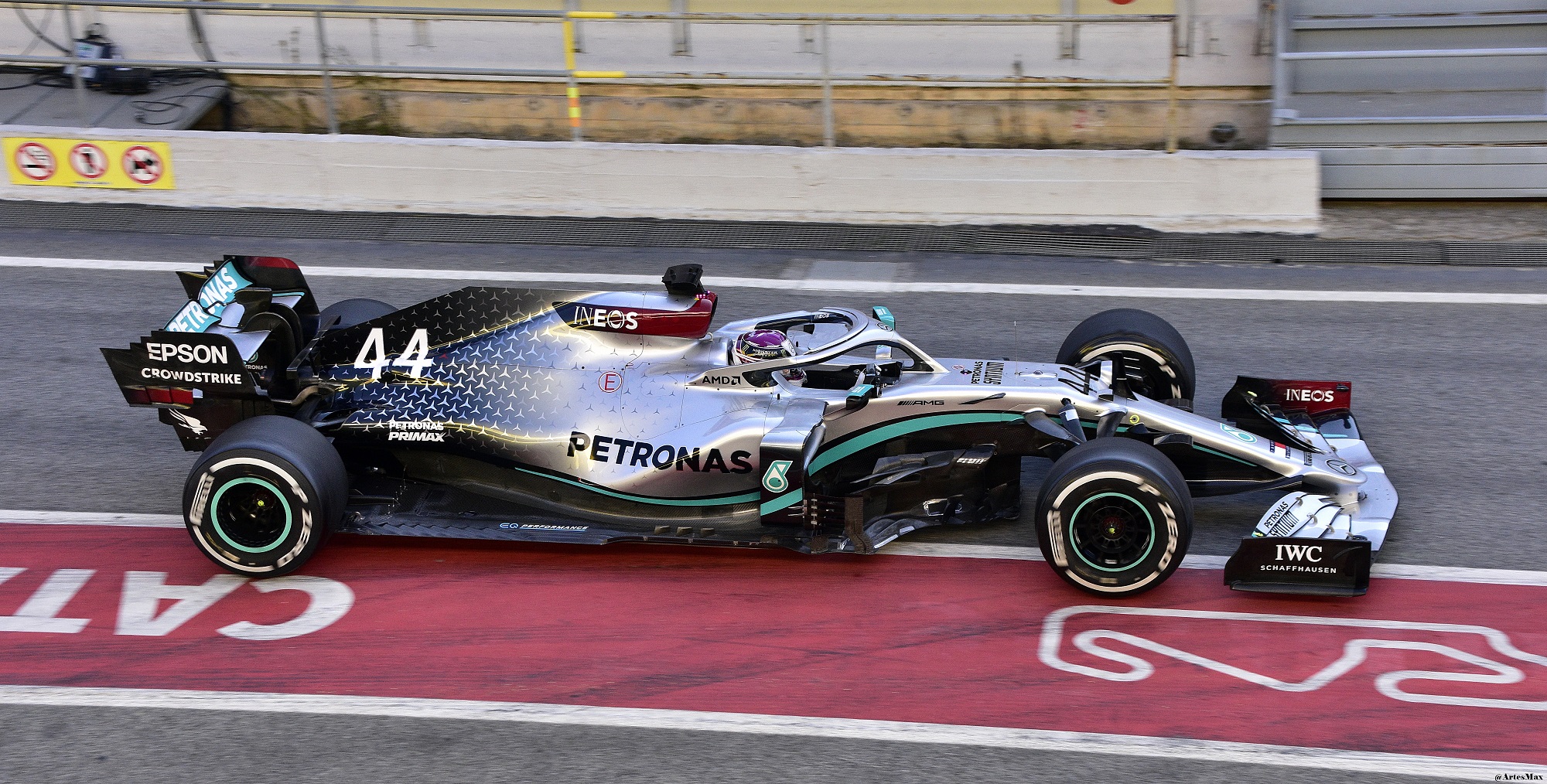








Bahrain 2026 F1 Pre-Season Test Scheduled for Week One
In a crucial announcement that sets the stage for the 2026 Formula 1 season, the FIA has confirmed the week one schedule for the pre-season test to be held in Bahrain. This news involves all ten F1 teams, marking a significant step as they prepare for the introduction of new regulations and power units next year. With the upcoming season poised to overhaul the landscape of the championship, this announcement comes at a crucial time.
Official Details
The FIA confirms that the 2026 Pre-Season Test is slated for February 21 to February 23, 2026, at the Bahrain International Circuit in Sakhir. This testing period will allow teams to fine-tune their cars, especially with the integration of new hybrid power units and substantial aerodynamic changes that will take effect in the new season. These developments are particularly significant as they lead into a pivotal year for F1, with more stringent sustainability goals and a fresh competitive framework at play.
Immediate Impact
All ten teams will be directly impacted by this announcement, with the pre-season test serving as an essential opportunity for evaluating performance and reliability. This three-day session is critical for rookie drivers who are stepping into their first season and will also be a crucial testing ground for teams integrating new technologies. Given the regulatory changes, teams will closely analyze how their cars respond, particularly under race-like conditions.
This scheduled testing is set to affect the flow of the season, ensuring that by the time teams move to the first race, they have gathered the essential data to optimize their strategies. The implications extend beyond just set-up, with strategic decisions regarding race performance and car development expected to unfold during these days.
Context
Recent developments have heightened the importance of this testing period. Throughout this season, teams have been preparing for the drastic shift in Formula 1 regulations. Plans to shift to more sustainable fuels and a pivot in power unit technology have prompted teams to reassess their designs and strategies. With the ongoing preparations, the Bahrain test week is not only a crucial checkpoint but also a final opportunity before the full-scale competition begins.
Moreover, the 2026 season marks the return of Ford to the sport after a lengthy hiatus, teaming up with Red Bull, while Audi is set to make its debut, partnering with Sauber. These transitions have created a buzz in the paddock, further amplifying the importance of the upcoming test.
Why This Matters
The timing of this announcement is essential for the championship. As teams look to adapt to the new power units and regulations, they have a limited window to test their innovations. The pre-season tests will be vital for understanding how these changes will affect lap times and competitive balance. If the teams successfully navigate the challenges during testing, it could reshape expectations entering the 2026 championship.
Furthermore, logistical impacts are also at play, as these tests will dictate travel and preparation timelines for the season-opening Bahrain Grand Prix, which follows shortly after. Teams will need to optimize their operations to cater to both the test and the race effectively.
What Comes Next
Following the confirmation of the pre-season test schedule, the next steps involve individual teams finalizing their specific test plans, including driver line-ups and technical objectives. Each team’s performance during the test will significantly influence their strategy heading into the championship.
Additionally, the FIA is expected to release further information related to the technical regulations and any other implications of the new rules surrounding the upcoming season, offering teams clarity as they prepare.
Will the new power units redefine the competitive landscape in 2026?
