






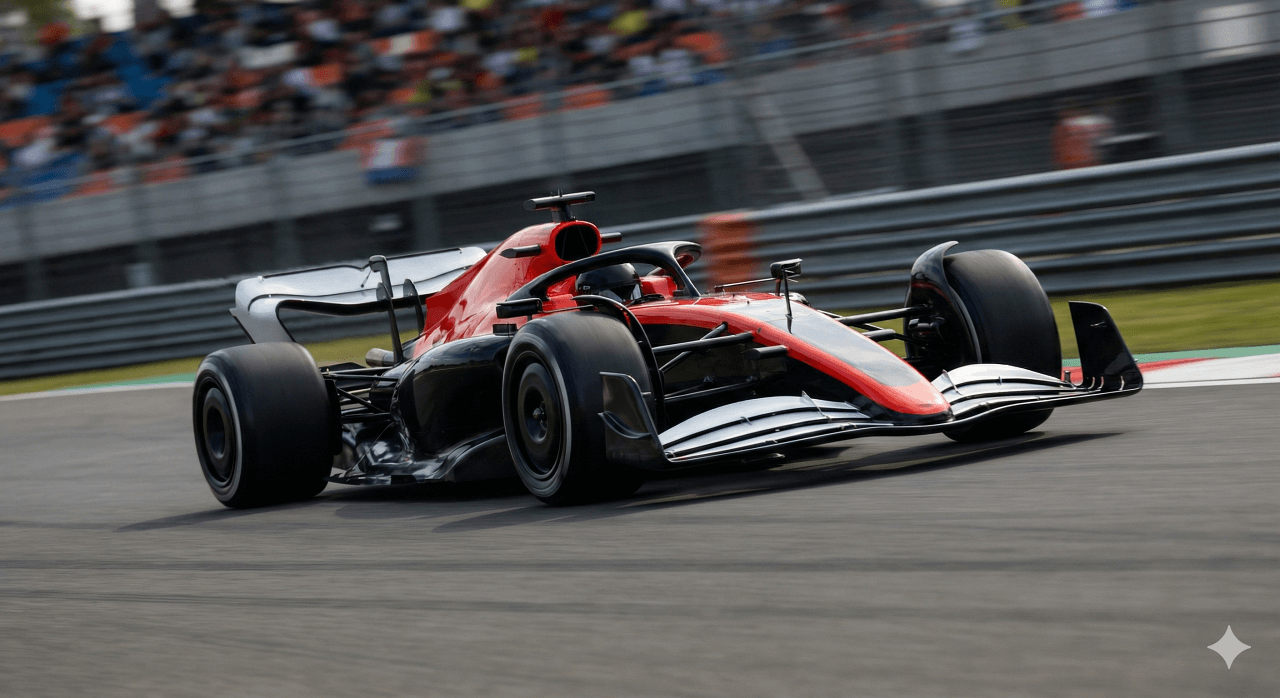






Formula 1 Announces Details for 2026 Regulations and Teams Involved
The Fédération Internationale de l’Automobile (FIA) has officially confirmed details regarding the upcoming 2026 Formula 1 regulations, a momentous step for the teams and fans alike. This announcement involves major stakeholders, including the FIA, Formula 1 Management, and various teams like Mercedes, Ferrari, and Red Bull Racing. The significance of these new regulations is imperative, especially as the sport evolves towards sustainability and innovation.
Official Details
The FIA has outlined the key points of the 2026 regulations which aim to redefine the performance and efficiency of Formula 1 vehicles. These specifications include enhanced hybrid power units that will increase electrical power output significantly. Additionally, the new regulations mandate a shift towards utilizing 100% sustainable fuel, a move that aligns with global trends toward environmental responsibility. This represents a major overhaul designed to improve speed and sustainability while attracting new manufacturers to the sport, including Ford and Audi.
Immediate Impact
The new regulations will have immediate consequences for teams and drivers. Those who have historically dominated the grid, such as Mercedes and Red Bull Racing, will need to adapt to the updated performance parameters. This change may open the door for teams like Alpine and McLaren, which have been on the rise, to become competitive in the race for championship points.
Furthermore, the upcoming races in the 2024 and 2025 seasons will serve as crucial testing grounds. Teams will have to optimize their vehicles for the new rules, meaning pre-season testing will be more critical than ever. If teams excel in adapting to the new guidelines, they could significantly alter the competitive landscape going into the 2026 season.
Context
The announcement comes on the heels of a series of discussions about how to maintain competitive balance and sustainability in the sport. Recently, calls for transparency in engine performance and operational costs have been increasing, especially among smaller teams. By advancing towards more eco-friendly technologies, the FIA hopes to address some of these concerns while ensuring that the championship remains a premier motorsport platform globally. This transformation is not just a reaction to environmental pressures but also a strategy to appeal to a new generation of fans.
Why This Matters
As the 2026 season approaches, the tightened regulations present a pivotal moment for the championship. The choice to integrate sustainable fuels could ensure that F1 remains at the forefront of automotive innovation. Teams will have to balance performance with these new eco-friendly goals, potentially reshaping the competition. This also comes at a time when the sport is experiencing a resurgence in popularity across North America, and capturing the attention of environmentally conscious fans is crucial for future growth.
Moreover, the upcoming regulations provide a sense of urgency in the battle for the championship. With the power units changing and the dynamics of fuel altering, teams that can intelligently navigate these new challenges will likely gain a competitive advantage that may last for years.
What Comes Next
In response to the announcement, teams are expected to begin preliminary testing of their new power units over the next year. The FIA is also set to release further clarifications on the implementation of the regulations and the testing schedule by the end of this season. Stakeholders are anticipating a series of technical briefings where they will dive deeper into the specifications and performance metrics required under the new regulations.
Additionally, we may see more manufacturers announcing their entry into the sport as interest in Formula 1 increases, thanks to these innovative regulatory changes.
As we look toward the future of Formula 1, an interesting question arises: How do you think these new regulations will impact the performance of established teams compared to their competitive rivals?
