



























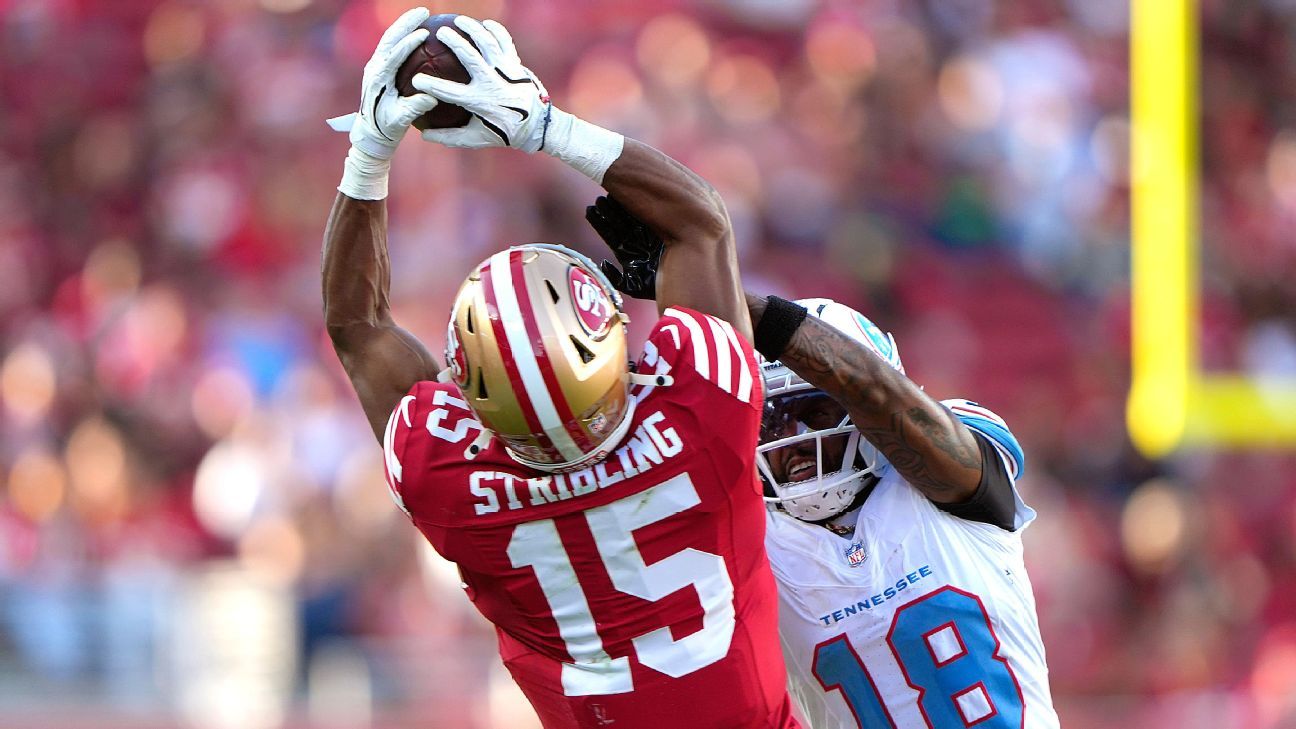
Rookie excitement can change the mood around an NFL team in a hurry. One sharp cut, a difficult catch, or a timely tackle gives fans something new to discuss. Yet the San Francisco 49ers also rely on experienced players whose value often appears in quieter moments. That contrast matters when assessing team performance and the expectations reflected in betting lines.
A promising young player might raise a team’s ceiling, while a proven veteran can make its weekly performance easier to anticipate. For San Francisco, the interesting story is how those different strengths work together against a changing slate of opponents.
Rookies arrive with athletic ability and college experience, but the NFL asks them to process more information at greater speed. A receiver must recognize coverage adjustments, not simply run fast enough to get open. A defensive lineman needs to maintain his assignment even when an opportunity for a spectacular tackle appears.
San Francisco’s 2026 draft class includes running back Kaelon Black, defensive lineman Gracen Halton and cornerback Ephesians Prysock. Their positions illustrate how varied rookie contributions can be. A running back might give the offense a different tempo, while a defensive tackle can help keep blockers occupied.
Playing time matters more than the excitement attached to a draft announcement. Coaches may trust a newcomer with a handful of snaps before expanding his responsibilities, and progress rarely follows a perfectly straight line. What counts is whether the player executes consistently enough to help the wider unit. A rookie who handles routine assignments can be valuable without producing eye-catching statistics.
Veterans often make their biggest contributions before the ball is snapped. They recognize formations, communicate adjustments and anticipate what an opponent may attempt. Experience doesn’t eliminate mistakes, but it can reduce avoidable confusion. The 49ers named Christian McCaffrey, George Kittle, Fred Warner and Trent Williams among their eight captains for the 2026 season. Each occupies a different role, from helping shape offensive execution to organizing defensive responses. That influence isn’t captured neatly by a box score.
Veteran reputation still needs to be weighed against present conditions. An established starter may be managing a heavy workload, returning from injury or facing a particularly difficult matchup. Younger players can occasionally offer an athletic advantage, even if their decision-making remains less polished. The useful distinction isn’t simply old versus young; it’s dependable execution versus uncertainty on a particular Sunday.
Betting markets translate expectations into numbers, but those numbers describe different things. A moneyline concerns which team wins, while a point spread introduces a margin that the favored team must cover. A game total deals with the combined points scored by both teams.
Fans comparing San Francisco 49ers game lines can examine those different expectations alongside the team’s personnel situation. A promising rookie receiver might expand an offense’s options without meaningfully changing its projected chance of winning. The absence of a starting quarterback, meanwhile, could prompt a much larger reassessment.
Consider a hypothetical week when a young defensive back earns additional snaps. His speed could help against a deep passing attack, but an experienced opponent might test his awareness with disguised routes. Observers would need to weigh both possibilities, along with the pass rush and support around him. Treating one encouraging performance as proof of a transformed defense would go too far.
Lines can also change because of injury reports, weather, scheduling or action in the betting market. A move doesn’t necessarily reveal which piece of information mattered most. The numbers are useful context, not a verdict on how rookies or veterans will perform. Every coaching staff prepares an ideal starting lineup, then spends the season adapting. Injuries, fatigue and tactical changes can send a reserve into an important role without much warning. A rookie who has practiced quietly for weeks might suddenly be responsible for protecting a critical gap.
San Francisco’s roster includes Black among its running backs alongside McCaffrey and Prysock among its cornerback options. That provides a snapshot of how younger players fit into the wider team, although actual workloads can change. The important question isn’t whether a replacement has the same reputation as the starter.
Some absences are harder to manage than others. Replacing a starting tackle may affect pass protection and the timing of an entire offense, while rotating fresh defensive linemen can be part of a normal game plan.
Depth is ultimately about how well the group absorbs change, not simply how many experienced names appear on the roster. Fans can explore NFL matchup analysis and player-focused coverage to see how roster availability and individual responsibilities fit into broader game expectations.
The same player can look comfortable one week and overmatched the next. A rookie pass rusher facing an unsettled offensive line may find favorable opportunities, while a veteran blocker facing an elite opponent could have a much harder afternoon. Matchups create the conditions in which experience and potential become useful.
San Francisco’s coaches can adjust personnel packages and responsibilities to suit particular opponents. A younger defensive back might receive help over the top, or an experienced tight end might stay in to support pass protection. Such choices can limit exposure to a weakness without removing the player from the game. Effective planning makes the roster more than a collection of individual résumés. Home field, travel and short rest can complicate those choices further. Evaluating the 49ers requires attention to what the opponent does well and which players are available to respond. The matchup, not the label attached to a player, should drive the analysis.
The most revealing developments may be gradual rather than dramatic. Rookies can earn trust through repeated assignments, while veterans can maintain standards by performing reliably week after week. A healthier roster or a favorable matchup may change expectations more than one memorable highlight.
For the 49ers, the balance between emerging talent and established leadership is an ongoing evaluation. Track actual responsibilities, availability and execution rather than relying on name recognition alone. The strongest picture of San Francisco will come from how the whole team responds when circumstances change.
NFL Draft Diamonds was created to assist the underdogs playing the sport. We call them diamonds in the rough. My name is Damond Talbot, I have worked extremely hard to help hundreds of small school players over the past several years, and will continue my mission. We have several contributors on this site, and if they contribute their name and contact will be in the piece above. You can email me at nfldraftdiamonds@gmail.com
Fresh Legs, Real Responsibilities
Experience Shows Up Between Plays
Where Roster Changes Meet Game Lines
Depth Gets Tested When Plans Change
The Opponent Changes the Equation
What Matters as the Season Unfolds