

































Short tracks like Greenville Pickens Speedway are the backbone of stock car racing’s history, but many of them haven’t survived against developers looking to turn old racetracks into warehouses and industrial parks. Look at Auto Club Speedway, for example. When the South Carolina track closed its gates in 2022, plenty of fans assumed it was only a matter of time before it disappeared for good, just as so many other historic short tracks already have. But one woman wasn’t ready to let that happen without giving it her all.
Watch What’s Trending Now!
Tasha Porter Kummer, a former Limited Late Model winner at the track, has spent the last few years trying to save it. And after three long years of paperwork, negotiations, and community fundraising, that effort is now close to paying off.
NASCAR’s past is finally secure
Kummer shared the news on social media through her nonprofit foundation, The Real Historic Greenville Pickens Speedway, announcing that she had officially signed a purchase agreement for the facility.
“SIGNED. Now it’s time to CLOSE. After 3 years of fighting, I’ve signed a purchase agreement to buy Greenville Pickens Speedway. Now we need corporations, investors, sponsors & major donors ready to help bring this historic track back to life. They said it couldn’t be saved. Good thing I wasn’t asking for permission. The agreement is signed. The vision is ready. Now let’s fund it and get to work,” the post on X read.
Getting the agreement signed was a big step, but it’s not the finish line. Kummer still needs to raise $3.7 million through her foundation to actually close on the purchase, and that means finding businesses, investors, and donors willing to help fund it. The local community has already started pitching in.
Regional businesses have offered to donate labor and materials for concrete, paving, electrical work, and plumbing repairs, so the track can be brought back into shape as soon as the sale goes through. Some even reached out to Kummer directly on the X post, volunteering to help clean up the track, even if it means traveling from far-off areas.
When Kummer’s plans finally come to light, it will go beyond just reopening for Late Model and Modified racing. She’s outlined a broader vision for the property that includes youth STEM programs, outdoor concerts, and community festivals, turning it into something people can use year-round, not just on race nights.
The biggest challenge now is turning that signed agreement into a completed purchase. Kummer has a clear vision for what Greenville Pickens can become, but the clock is ticking, and the track’s future still depends on whether she can secure the funding needed to close the deal.
Greenville Pickens still has a lot to overcome
If Kummer’s group can’t raise the $3.7 million before the closing deadline, the purchase falls through, and the property goes back to developers who plan to tear it down and build industrial warehouses in its place. That would mean losing a track with a genuinely significant history.
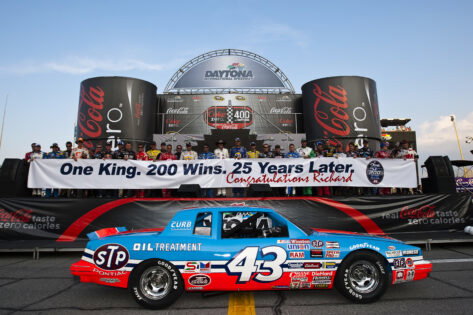
Greenville Pickens opened as a dirt track in 1946 and was paved in 1970. The revered track also hosted some of NASCAR’s biggest names — David Pearson, Junior Johnson, Ned Jarrett, and Bobby Isaac — who raced there regularly. Richard Petty alone won six times at the track. The track also has a place in broadcast history. On April 10, 1971, Greenville Pickens hosted the first NASCAR race ever televised live, start to finish, on ABC’s Wide World of Sports.
That history is exactly why Kummer’s fundraising push matters so much right now. The purchase agreement is signed, and the plan for what comes next is already in place. What’s left is raising the money to make sure the track actually reopens instead of becoming another empty lot where a piece of NASCAR history used to be.