





















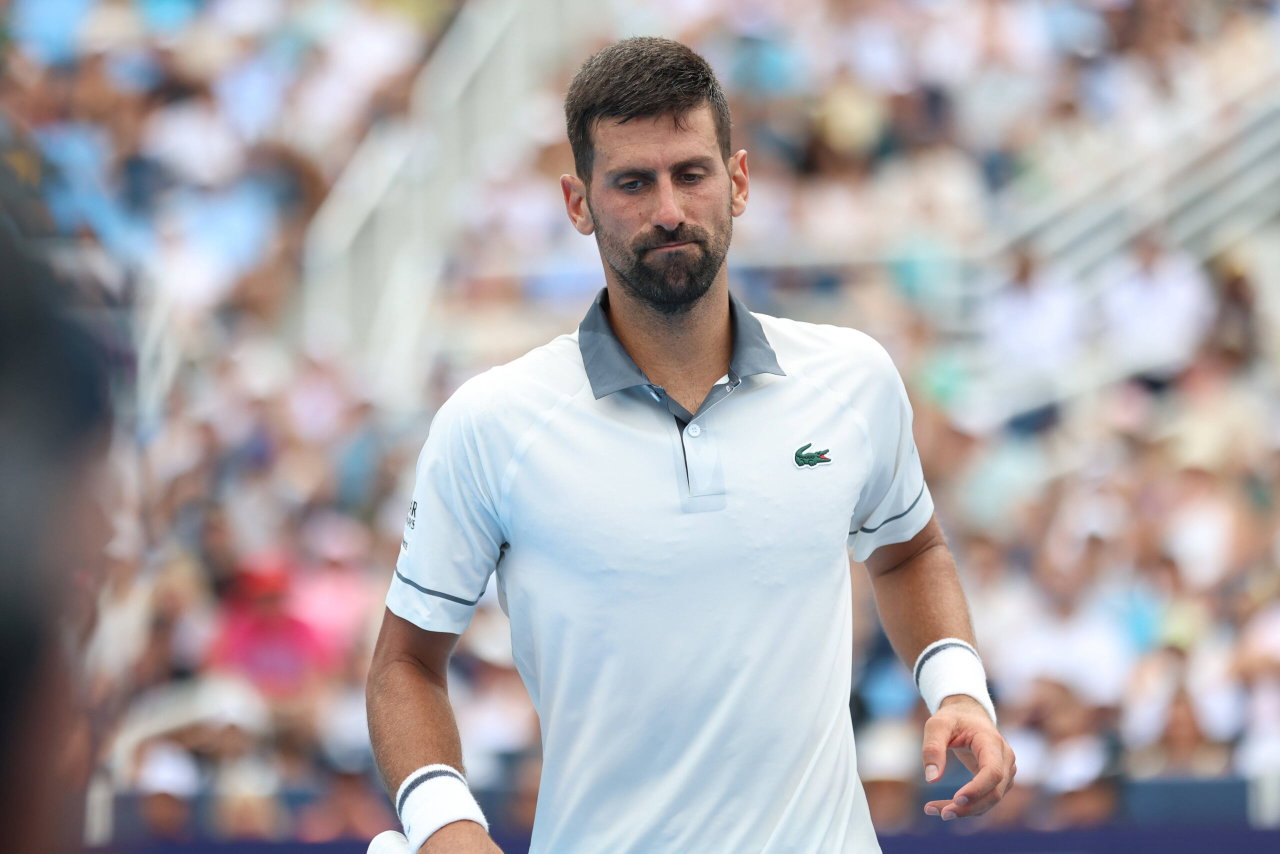
The sound of the bombs that tore through the hometown of an eleven-year-old boy still keeps him awake twenty-eight years later, even after he has achieved everything he possibly could in the sport of tennis.
Watch What’s Trending Now!
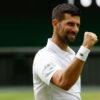
That boy is none other than Novak Djokovic, who recounted a spine-chilling episode from the NATO bombing of Belgrade in 1999 in his new documentary, Novak Djokovic: The Wolf in Winter, when he was separated from his family as they sought safety.
“I saw my family running 40, 50 feet in front of me,” he said. “And I tried to scream, ‘help me, help me’. They didn’t hear me, they kept running.”
“Our building did not have a shelter. So we had to go to another building. It’s a horrifying sight because this is 2-3 a.m. It was dark. You see people running around, panicking. They don’t know where to go, trying to save their lives,” he added.
He then described turning back toward his own building just in time to witness a direct strike nearby. “I turned around and I looked at our building. And I saw a plane dropping two bombs into a nearby hospital. Standing in the rain and darkness.”
Djokovic had shared instances of that period of his life even in his book Serve to Win. He had revealed back then that his family sought shelter in his aunt’s basement for 78 consecutive nights when bombing continued across Belgrade.
However, surviving the war was only the beginning for the Djokovic family. The years that followed brought their own financial hardships.
Novak Djokovic shared the hardships that his family went through to support his dreams
Amid financial struggles that the Djokovic family was going through, Novak’s parents continued to find ways to keep his tennis dream alive. His younger brothers, however, didn’t get the same luxury. They wanted to play too, but with tennis already putting a heavy strain on the family’s finances, backing three young players simply wasn’t realistic.
Novak noticed that. Even as a child, he understood the sacrifices his family was making for him. And somewhere along the way, that realization became a promise. He wanted to make sure his parents and brothers would one day have the life they had sacrificed for him to chase.
“My two younger brothers also wanted to play tennis, and they didn’t really receive the kind of resourceful support that I was getting,” he said on CBS Mornings. “My parents felt bad, but they had to make a choice. So, I made an oath to myself that I would repay my parents and brothers so they have the best life possible.”
That promise stayed with Djokovic, but so did another reality check delivered by his father, Srdjan, when Novak was just 12.
“I had no option but to succeed,” he said at the 2026 Fanatics Fest in New York. “I was 12, and my dad sent me down, and we talked about this on the dock. He had $10, and he put them on the table, and he was like, ‘that’s all we got.’ I had to mature, I had to become the man that I wasn’t, I was just a kid. I had to take responsibility, I had to suppress my emotions, I had to become less playful and more serious.”
It may explain something about the Djokovic we see today. That relentless edge, the refusal to let a match slip, the intensity that can turn even the smallest moment into a battle, it didn’t appear out of nowhere. Long before the Grand Slam trophies and record-breaking numbers, Djokovic was a kid who had seen his family struggle and understood exactly what was at stake.
The documentary now provides a deeper look into how the Serb felt at the moment.
Before its launch, Djokovic said it was an effort to present a different side of his story that goes beyond the tennis court. “Tennis gave me a lot, but the biggest battles were never just on the court. This documentary is about the moments that people didn’t see, the doubts, the sacrifices and the work that constantly evolved beyond the story that many think they know,” he said.
In 2019, the BBC reported that a mural of Novak Djokovic was painted on the walls of the apartment he took shelter in, which is located in Banjica, a residential area about 7km south of downtown Belgrade.
Hence, the title of the documentary is no accident. The wolf is Serbia’s national animal, a creature woven into the country’s folklore. It’s a symbol of fearlessness, endurance, and survival against impossible odds, central to Serbian’s identity.
Djokovic has shared that the wolf is his spirit animal, and on numerous occasions after winning matches from the brink, he has howled in celebration, something he does in the film as well. It resembles how someone who has endured such struggle in their life, physically and mentally, could rise to glory. All with the wolf spirit that carried him from dodging bombs as an 11-year-old to becoming arguably the greatest of all time.