




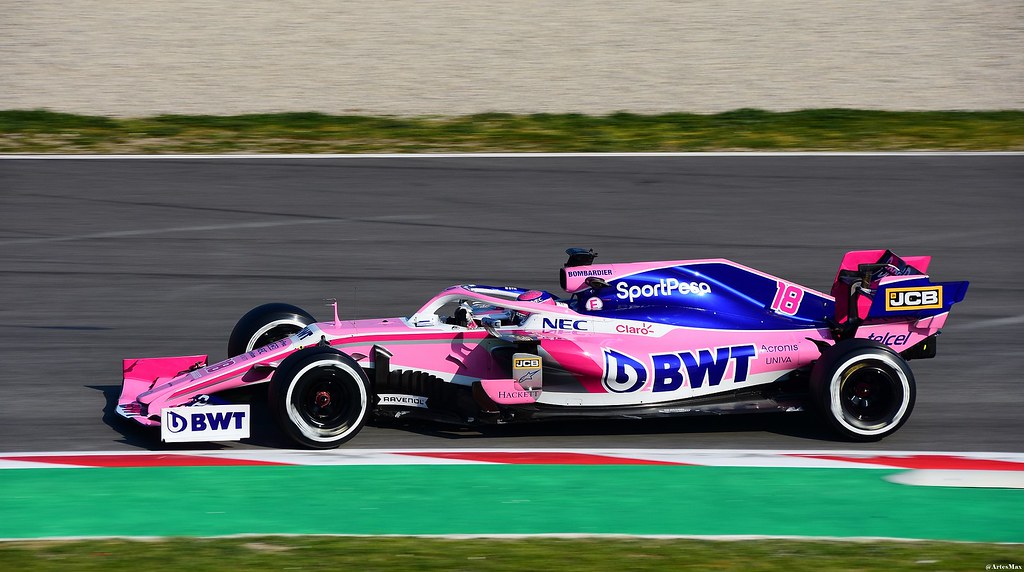









Formula 1 Update: New Regulations Announced for 2024 Season
In a significant development for the 2024 Formula 1 season, the Fédération Internationale de l’Automobile (FIA) has officially announced a series of new regulations aimed at increasing on-track competitiveness and sustainability. This announcement involves all ten teams on the grid and is set to impact the sport profoundly as it seeks to maintain its growing global audience and commitment to environmental responsibility.
Official Details
On October 10, 2023, the FIA confirmed that regulations surrounding power units and aerodynamic designs will be updated for the upcoming season. Key changes include stricter guidelines on engine performance, aiming to enhance overtaking opportunities during races, and an increased focus on hybrid energy recovery systems. These adjustments are part of the FIA’s broader initiative to not only refine the racing spectacle but also to align with the sport’s goal of achieving carbon neutrality by 2030.
The regulation changes will specifically affect the engines and aerodynamics of the cars, limiting the performance ceiling to encourage closer racing. Teams have been informed that they must comply with the new specifications by early 2024, with extensive testing planned before the season’s start.
Immediate Impact
The immediate implications of these new regulations are wide-ranging for both teams and drivers. For instance, teams that are currently at the pinnacle of performance may need to adapt their strategies significantly. Teams like Mercedes and Red Bull, who have dominated the recent seasons, will need to invest in R&D to ensure their cars remain competitive under the new rules. Moreover, mid-field teams, including Alpine and AlphaTauri, may see a chance to close the performance gap as the regulations level the playing field.
Execution of these changes will be crucial during pre-season testing, scheduled to take place in February 2024. Teams will be under considerable pressure to validate their new power units and aerodynamic elements, which could result in a highly competitive and unpredictable first few races of the season.
Context
The FIA’s announcement comes on the back of several discussions during the recent FIA Conference, where team principals voiced concerns about the balance of competition in the sport. Previous races in 2022 and 2023 displayed increasing teams’ struggles with overtaking on tracks, leading to calls for reforms. The regulatory changes can also be viewed as a response to criticisms regarding the predictability of race outcomes, especially when one or two teams have maintained superiority for multiple seasons.
Sustainability remains a recurring topic, with Formula 1 taking significant steps in recent years, including the introduction of biofuels and hybrid technologies. This latest move is a continuation of that trajectory, aligning the sport’s image with contemporary environmental expectations.
Why This Matters
The timing of this announcement is crucial as the championship enters a pivotal phase. With just a few races remaining in the 2023 season, teams will need to plan not only for the end of this year but also strategize ahead for 2024. The potential for a more competitive and engaging championship should excite fans, emphasizing the FIA’s commitment to refreshing the sport while adhering to safety and sustainability goals. Furthermore, logistical challenges related to implementing these changes may impact manufacturers’ timelines and the overall supply chain for components.
What Comes Next
FIA will conduct workshops for teams to assist with the introduction of these new regulations before the season starts. Preliminary meetings have already been scheduled in November 2023 to discuss technical specifications and compliance strategies. Additionally, an official presentation detailing these changes will occur at the season-ending Abu Dhabi Grand Prix in December 2023, where future regulations will be further scrutinized.
As F1 enthusiasts prepare for the upcoming season, the focus will undoubtedly shift to how teams respond to these changes and refine their strategies.
What do you think of the new regulations? Will they enhance competition in the 2024 season?
