








Aston Martin’s Aerodynamic Upgrade: A Game-Changer for the 2024 Season?
Introduction
In a strategic move to bolster their competitive edge in the upcoming races, Aston Martin has rolled out an aerodynamic upgrade to their AMR23 chassis. This significant enhancement is crucial as teams continuously seek avenues for optimization, especially entering the back half of the season where performance gaps can often define championship outcomes. For Aston Martin, this upgrade is more than just a tweak; it represents a critical evolution in their development path aimed at gaining ground against rivals, particularly in the tightly contested midfield.
Section 1: Technical Details
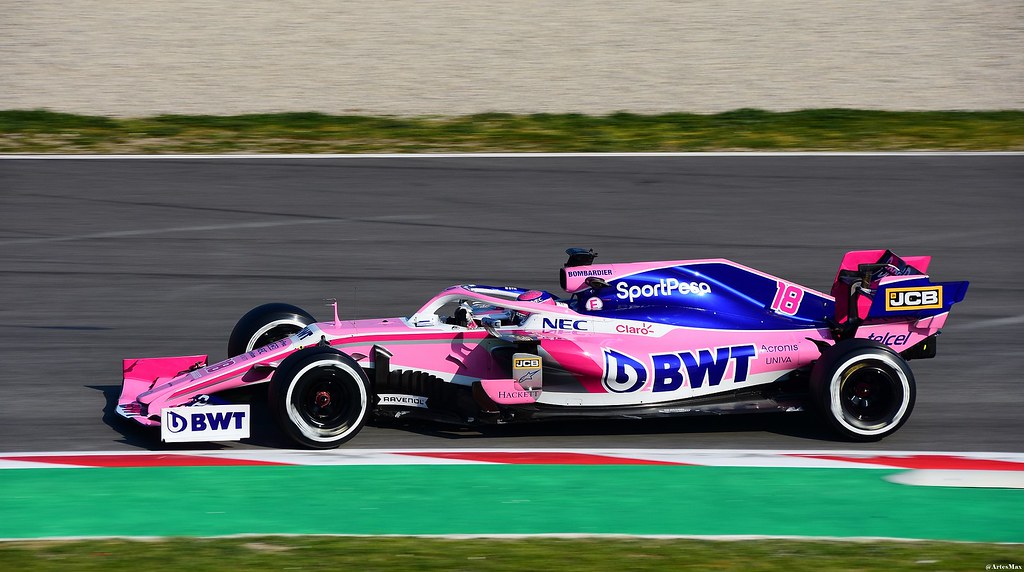
The primary focus of the upgrade lies in the car’s aerodynamics, specifically modifications made to the front and rear wings. Aston Martin has introduced a reshaped front wing endplate with an altered flaps configuration that aims to improve airflow around the car, thereby increasing downforce while maintaining drag efficiency. The rear wing has also been adjusted to optimize the balance between straight-line speed and cornering grip.
Teams often describe upgrades in terms of their aerodynamic philosophy, and Aston Martin has emphasized "a more efficient airflow transition" as a cornerstone of their communication regarding this change. The updated wing components have been designed using advanced computational fluid dynamics (CFD) simulations and validated in the wind tunnel, ensuring they deliver tangible performance improvements on track.
Section 2: Intended Performance Impact
The changes are expected to provide a notable impact on vehicle dynamics, particularly in terms of balance and tire wear. Improved downforce can enhance cornering capabilities, allowing drivers to maintain higher speed through turns—a critical aspect in both qualifying sessions and race pace.
Although Aston Martin has refrained from making specific lap time claims, they are confident that the enhancements will lead to reduced tire degradation. This is particularly important when managing tire performance over longer stints, as reduced strain can afford drivers more strategic options during races. The team’s engineers have indicated that these changes are specifically aimed at increasing the car’s versatility on varying circuit types, providing a more stable platform that can adapt to race conditions.
Section 3: Competitive Context
As the 2024 season progresses, Aston Martin finds itself in a competitive middle-ground between the dominant top teams and the lower mid-field. This aerodynamic upgrade is particularly significant when considering competitors like McLaren, AlphaTauri, and Alpine, who have also been in the midst of robust development programs.
In recent races, Aston Martin has struggled to consistently match the pace of McLaren, who have made substantial strides with their own aerodynamic improvements. This upgrade positions Aston Martin to potentially reverse that trend, giving them an opportunity to secure valuable constructors’ points and possibly a podium finish in targeted races, especially as tracks with demanding corners approach in the later half of the season.
Section 4: Season Implications
Aston Martin’s decision to focus on this aerodynamic upgrade indicates a deliberate shift in their overall development strategy. Historically, teams allocate resources throughout the season based on performance data and perceived areas for improvement. By concentrating on aerodynamic efficiency at this stage, Aston Martin signals their commitment to progressing their design philosophy, which they hope will culminate in a more competitive car for 2025.
This upgrade will likely affect their resource allocation moving forward. With a recent influx of funding and a stable driver lineup, Aston Martin is in a position to prioritize ongoing aerodynamic research, further refining the AMR23 while also eyeing potential foundations for the next generation of their chassis.
Section 5: What to Watch Next
Fans can look forward to the upcoming races, particularly at circuits like Monza and Singapore, where aerodynamic efficiency plays a critical role. Aston Martin’s performance in these races will test the efficacy of the recent upgrades under varied racing conditions, providing essential data for further improvements.
The validation phase for the updates will be crucial. As the team gathers telemetry and performance data, analysts will scrutinize feedback regarding tire behavior, fuel load conditions, and overall balance in sustained high-performance scenarios. This will be vital in determining whether the upgrades deliver the expected results and provide a roadmap for subsequent developments.
Thoughtful Fan Question
With the ongoing evolution of the AMR23’s aerodynamics, how do you think Aston Martin’s strategy will evolve over the remainder of the season? Will they prioritize short-term performance gains or invest in a broader vision for future seasons?
