















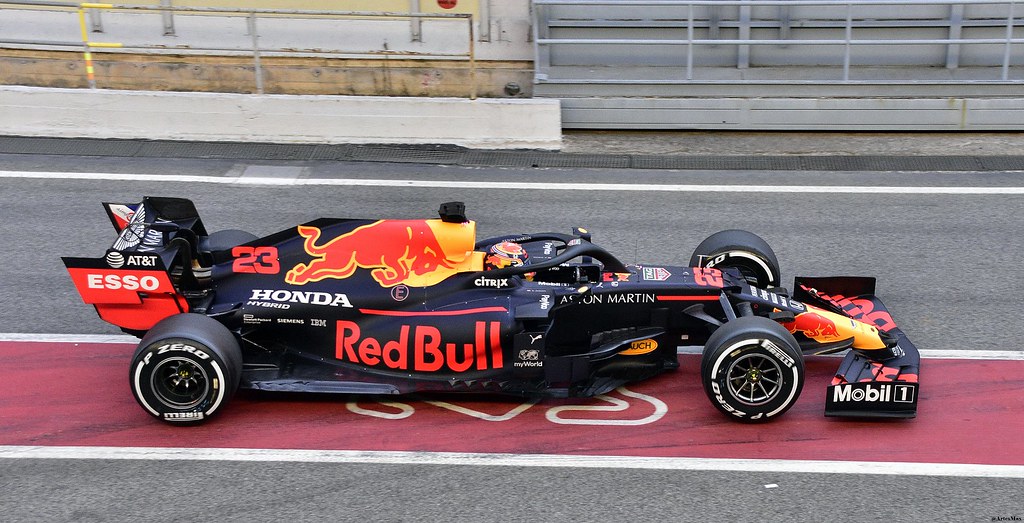
Aston Martin Shocks F1 Fans with ‘Secret Batmobile’ Car Update
In a surprising turn of events, Aston Martin F1 has unveiled a significant technical update through leaked images of what has been dubbed the ‘secret Batmobile’ car. This startling development is poised to shift the competitive landscape of Formula 1 as teams prepare for the second half of the season. But why does this matter? The update reportedly encompasses radical design changes that promise to enhance performance, aerodynamics, and efficiency—elements that are critical in a championship landscape increasingly defined by millimeter-perfect performance.
Technical Details
The leaked images showcase a car that is markedly different from its predecessor. Key changes include a complete redesign of the front and rear wings, as well as a new sidepod configuration that features a more aggressive airflow management strategy. Aston Martin’s technical team described these shifts as part of a broader strategy to leverage the team’s aerodynamic strengths while adhering to the latest regulations.
The new wings appear to incorporate a more pronounced endplate design, which should improve downforce management, particularly in high-speed corners. The sidepods now feature a dual-element cooling system, which not only enhances engine cooling but also improves airflow to the rear of the car, offering potential gains in aerodynamic efficiency.
As for the suspension, Aston Martin has also made adjustments aimed at optimizing tire warm-up times and overall grip. This indicates a desire to tackle the notorious challenge of thermal management that teams have struggled with all season long.
Intended Performance Impact
While the team has refrained from making explicit lap time claims, it is clear that the updates are designed to fine-tune the car’s balance and tire management. Improved aerodynamics should lead to a reduction in tire wear, allowing drivers to maintain competitive pace for longer stints during races. Enhanced grip from refined downforce will likely translate to improved cornering stability, giving drivers heightened confidence and enabling them to push the limits.
Moreover, the cooling upgrades could lead to increased engine efficiency, which is particularly vital in a season where hybrid performance plays a significant role. Aston Martin aims to strike a better equilibrium between power delivery and cooling, allowing them to unleash the full potential of their power unit without overheating risks.
Competitive Context
Within the grid, Aston Martin’s update comes at a time when the team has been making incremental progress but has struggled to consistently match the performance of teams like Mercedes, Ferrari, and Red Bull Racing. The newly dubbed ‘Batmobile’ is a clear signal of their intent to challenge for higher positions in both Constructors’ and Drivers’ Championships.
By accommodating new aerodynamic solutions without breaching the strict FIA regulations, Aston Martin is making a targeted bid to narrow the performance gap. The mid-field teams, including McLaren and Alfa Romeo, have recently made strides, so this update serves as an essential countermeasure to maintain a competitive edge.
Season Implications
Looking ahead, this technical update indicates a clear direction for Aston Martin’s development strategy. The team’s resource allocation might witness a shift, steering away from merely tweaking existing components to a broader philosophy of holistic vehicle upgrades. As the calendar progresses, expect Aston Martin to heavily invest in refining these groundbreaking elements.
Moreover, this strategic pivot could also serve as a catalyst for attracting talent, either through sponsorships or engineering expertise. Convincing proven minds to join henceforth may enable Aston Martin to escalate their upward trajectory as they aim to solidify their place amongst the elite teams.
What to Watch Next
As the F1 circus heads into the next few races, especially in circuits known for their technical demands like Singapore and Suzuka, all eyes will be on how Aston Martin executes their data validation phase. With the ‘secret Batmobile,’ initial performance at this stage will be critical in refining algorithms for performance prediction and tire management.
Upcoming post-race data will prove vital. Analyzing metrics such as tire degradation, lap times under varying conditions, and overall car balance will provide insight into whether the updates deliver on initial design promises. Fans will also be keen to observe driver feedback, which often gives the most subjective yet valuable perspective on performance impacts.
As this episode unfolds, F1 enthusiasts are left with a thoughtful question: How will Aston Martin’s radical changes in design philosophy redefine their chances against seasoned heritage teams in the ongoing quest for podium finishes?
