





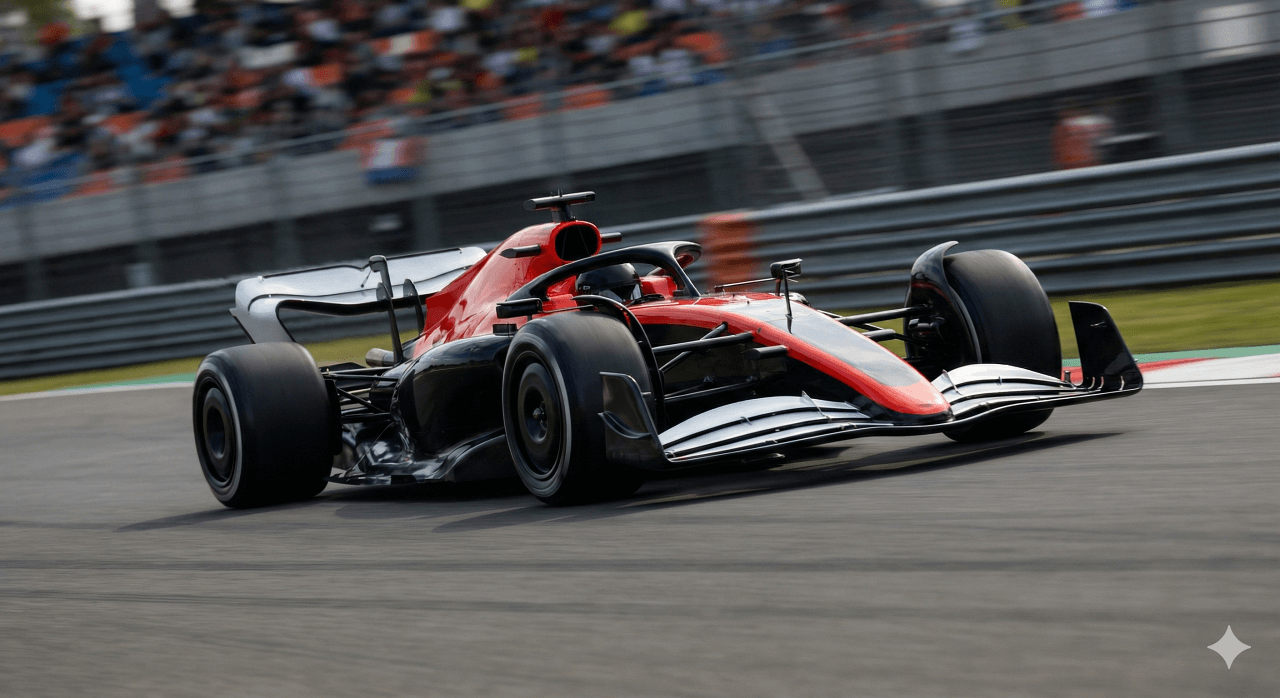




Red Bull Racing’s Latest Technical Update: A Deep Dive
Formula 1 is a relentless arena where every millisecond can dictate the fate of a season. This is particularly true when it comes to car upgrades or modifications. Recently, Red Bull Racing unveiled a significant technical update aimed at refining their already dominant performance on the track. This update matters because not only is Red Bull the reigning champion, but the competitive landscape is rapidly evolving, with rivals closely pursuing them.
Technical Details
The latest update to Red Bull’s RB19 encompasses a complex interplay of aerodynamic enhancements and suspension geometry adjustments. Specifically, the team has redesigned the front wing and made subtle changes to the rear suspension setup. The revamped front wing features a re-profiled leading edge and an altered endplate design, intended to improve airflow around the tires and enhance downforce efficiency.
In the team’s own words, they describe these changes as “a push towards optimizing aerodynamic performance, reducing drag, and enhancing cornering stability.” The optimized airflow aims to create a more stable platform under various track conditions, enabling drivers to better manage their tires and maintain higher speeds through critical corners.
Intended Performance Impact
Red Bull’s updates focus on three main areas: balance, tire wear, and overall efficiency—without making explicit lap time claims, which is crucial in the world of F1. The team anticipates that the refinements will provide better weight distribution during cornering, resulting in enhanced grip levels. The improved balance should allow drivers to maintain a consistent pace while minimizing tire degradation, ultimately offering a strategic advantage over competitors who struggle with tire management.
The introduction of a lower drag characteristic thanks to these aerodynamic tweaks is expected to contribute to overall efficiency, especially on circuits where straight-line speed is crucial. These changes align with Red Bull’s philosophy of evolving their car through continuous refinements rather than radical overhauls.
Competitive Context
While Red Bull currently holds a commanding lead, the other teams, notably Ferrari and Mercedes, are applying pressure with their own upgrades. After struggling in various facets of performance early in the season, Mercedes has made strides with its car’s rear-end stability and tire performance. Ferrari has also aggressively pursued aerodynamic updates, showing promising data from their recent developments.
In this context, Red Bull’s updates are not merely about extending their advantage but about maintaining their lead against teams who are rapidly closing the gap. The competitive context forms a dynamic landscape where one misstep or suboptimal performance can dictate the flow of races.
Season Implications
As we delve into the implications of this update for Red Bull’s season, it’s important to consider their developmental strategy. The team appears focused on incremental improvements rather than a sweeping redesign, which could be beneficial mid-season, cultivating reliability as well as performance.
Moreover, resource allocation plays a critical role. Balancing the need for both immediate performance and long-term development is a common challenge in F1. Red Bull’s commitment to these updates suggests they are prioritizing the current season while still eyeing future specifications and regulatory changes in the coming years.
This strategy could result in fewer resources being devoted to radical concepts, allowing teams to refine their existing system rather than starting from scratch.
What to Watch Next
Looking ahead, fans and analysts should track how the updated RB19 performs in upcoming races, particularly in circuits known for their aerodynamic demands, such as Singapore and Monaco. These tracks will enable Red Bull to validate the effectiveness of their adjustments.
Data collection and analysis will be critical during this phase. The team’s engineers will closely monitor tire performance, degradation rates, and aerodynamic efficiency during practice sessions and qualifying to assess the true impact of these updates.
Thoughtful Fan Question
As fans eagerly anticipate the next races, a compelling question arises: How will Red Bull adapt its car development strategy if they find themselves facing a resurgent Mercedes or Ferrari in the latter stages of the season?
