





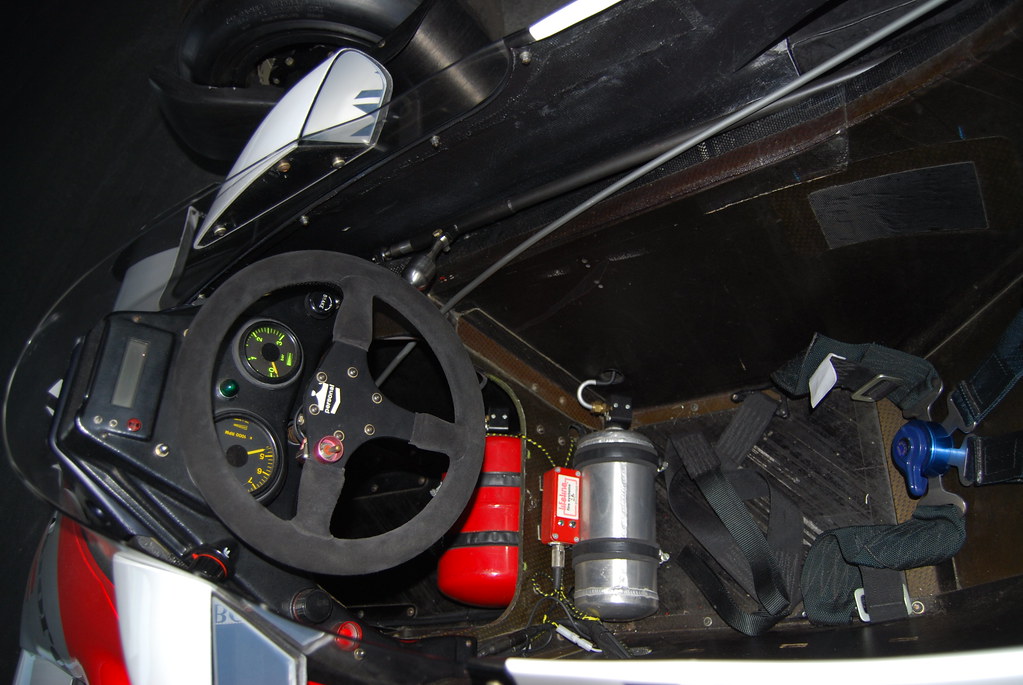






The Aston Martin AMR23: A Deep Dive into Its Latest Updates
INTRO
Aston Martin has recently rolled out a significant upgrade to its AMR23 Formula 1 car. This upgrade is a pivotal moment for the team, as they aim to close the performance gap to front runners and improve their standing in the Constructors’ Championship. Given the competitive nature of the sport, this enhancement isn’t just a minor tweak; it could play a crucial role in determining their performance for the remainder of the season.
SECTION 1: Technical Details
The latest update focuses on the AMR23’s aerodynamic package, specifically enhancing the car’s front wing and the underbody design. This dual-pronged approach aims to increase downforce and improve airflow around the car, making it more competitive on various circuits.
Aston Martin engineers have described the front wing modifications as "an evolution rather than a revolution." The wing now features revised endplates designed to better manage airflow and increase efficiency. Additionally, the underbody modifications include new floor aerodynamics that are optimized for ground effect, which aims to create a more stable platform, especially in corners.
The changes are also backed by computational fluid dynamics (CFD) simulations, aiming to deliver a more balanced car that retains grip and enhances the effectiveness of the rear wing. The updates exemplify Aston Martin’s dedication to refining their car through meticulous engineering, rather than relying solely on drastic changes.
SECTION 2: Intended Performance Impact
The principal focus of these changes is to improve the AMR23’s overall balance, leading to better tire preservation and increased efficiency. By optimizing the airflow and downforce, Aston Martin aims to ensure the car is more responsive to driver inputs, which is critical for tire management during long stints—especially given the varying tire compounds used throughout the race weekend.
While teams often hesitate to release specific lap time claims following an upgrade, the expectation behind these updates is to achieve more predictable handling, enabling drivers to push harder and maintain speed throughout the race. Improved tire wear is critical not just for lap times but also for strategic decisions regarding pit stops and overall race execution.
SECTION 3: Competitive Context
In the current landscape of Formula 1, where teams like Red Bull, Ferrari, and Mercedes constantly push the boundaries of technology, any upgrade from a team like Aston Martin is significant. They are currently in a fierce battle with midfield teams such as Alpine and McLaren, who are also developing upgrades for their cars. The enhancements to the AMR23 allow Aston Martin to aim for higher points finishes and possible podiums, which could be crucial for establishing themselves as a consistent top-four team.
With the likes of Ferrari and Red Bull achieving impressive lap times and maintaining tire performance, Aston Martin’s update seeks to offer competitive longevity and strategically position them in the Constructors’ Championship, as they look to nail down that fourth spot against their rivals.
SECTION 4: Season Implications
The development path this upgrade represents is vital for Aston Martin. It highlights a focused approach to improving the current car rather than solely preparing for the next season. The team has allocated considerable resources to this upgraded package, reflecting their commitment to maximizing performance in the remaining races of this season.
Resource allocation becomes a balancing act, as teams must manage engineering talent and budgetary resources while planning for incremental improvements. The implementation of these updates suggests that Aston Martin believes in the potential of the AMR23 and its ability to compete at a higher level if executed properly.
SECTION 5: What to Watch Next
Looking forward, the upcoming races—particularly those on tracks known for high-speed corners like Silverstone and Spa-Francorchamps—will serve as critical testing grounds for the AMR23’s upgrades. The data gathered will validate the performance impact of the recent changes and will shape the direction for any further updates.
Fans should keenly observe how Aston Martin performs in the second half of the season. Success in these races will closely tie back to how well the car adapts to the new aerodynamic revisions and whether the team can achieve a quicker race pace while managing tire degradation effectively.
Conclusion
As the racing calendar progresses, fans of Formula 1 should remain curious about the continual evolution of the AMR23 following this upgrade. Will Aston Martin manage to solidify its place among the top teams, or will the competitive midfield remain elusive?
Thoughtful Fan Question: With these upgrades, do you think Aston Martin can challenge for podiums consistently, or will the ongoing development race among teams prove too stiff?
