














McLaren’s Latest Technical Upgrade: A Strategic Shift in the 2023 Formula 1 Season
INTRO
One of the defining characteristics of a Formula 1 season is the continual evolution of car technology as teams seek to optimize performance. McLaren Racing has recently implemented significant upgrades to their MCL60, aimed at enhancing overall performance and competitiveness. In a season marked by intense rivalry, such upgrades not only reflect a commitment to improving their standings but are crucial in the context of the 2023 season, where marginal gains can translate to valuable points in the championship standings.
SECTION 1: Technical Details
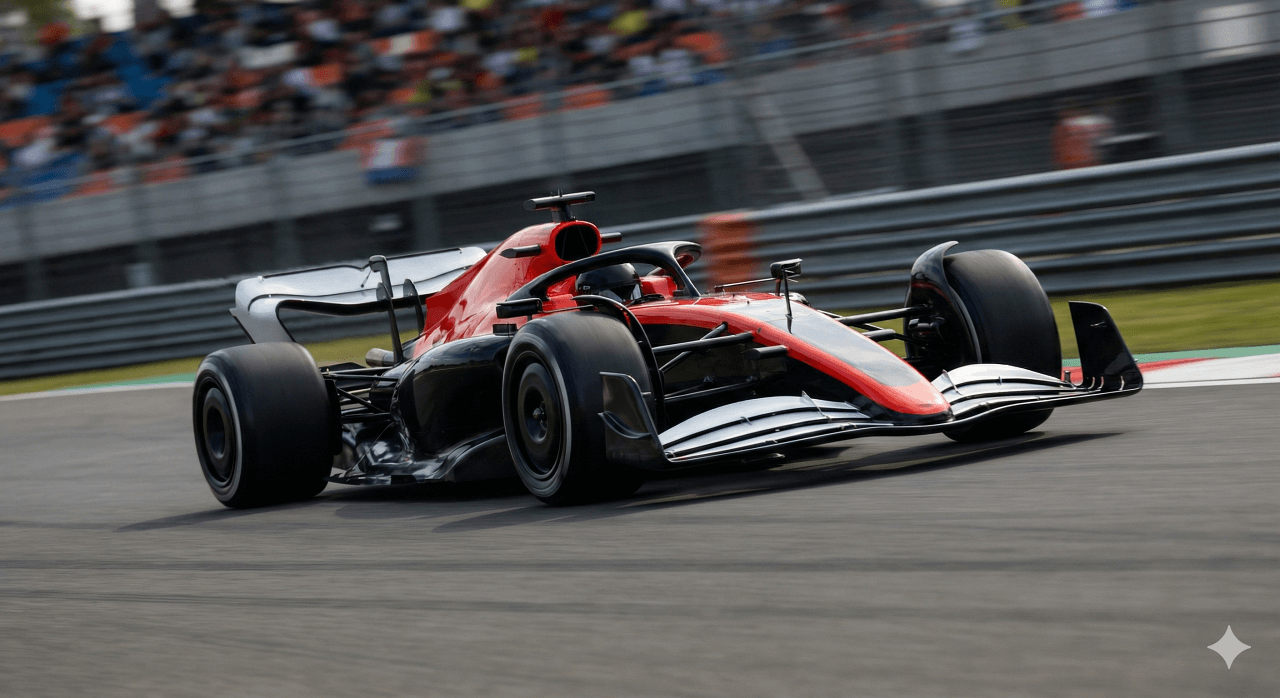
The latest upgrade introduced by McLaren focuses on several key areas. Primarily, the team has revised the front suspension geometry and reinforced the rear wing structure. The updated design features a new aerodynamic package that includes modified endplates and an adjusted angle of attack for improved airflow management.
McLaren’s engineers describe these changes as a "strategic refinement aimed at enhancing both downforce and stability." The revised suspension setup is expected to improve the car’s responsiveness during cornering, while the aerodynamic tweaks are intended to optimize airflow across the body, thereby increasing overall grip levels.
Additionally, changes have been made to the weight distribution through repositioning certain components within the chassis. McLaren has generally steered clear of publicizing specific weight reductions, instead emphasizing a focus on optimizing the car’s center of gravity, which contributes to better balance and handling.
SECTION 2: Intended Performance Impact
When evaluating the intended performance impact of these upgrades, several key factors emerge: balance, tire wear, and efficiency.
The modified front suspension geometry is anticipated to yield better mechanical grip, which should improve the car’s balance during high-speed cornering. This refinement means drivers can more confidently push the MCL60’s limits, especially crucial in circuits with fast, flowing corners.
Through improved airflow, the rear wing’s new configuration is also expected to minimize drag while maintaining downforce, promoting more efficient straights and optimized tire performance. Reduced tire degradation is critical for race strategies aimed at fewer pit stops, thereby maximizing potential on-track time and minimizing time lost during tire changes.
McLaren has opted not to make lap time claims, focusing instead on holistic performance benefits that will manifest across varied circuits and conditions.
SECTION 3: Competitive Context
To appreciate the implications of McLaren’s updates, one must consider where they stand relative to their rivals. As the 2023 season has unfolded, teams like Red Bull and Ferrari have set a blistering pace, with both having accrued significant points by consistently finishing at the front of the grid.
In this competitive landscape, McLaren’s upgrades may allow them to gain a distinct advantage over mid-field competitors such as Alpine and Alfa Romeo. The balance between performance and reliability will directly impact their ability to attract points during race weekends. The newly updated MCL60 could potentially slot into a more competitive tier, making the battle for points even more interesting.
Additionally, as teams finalize their car upgrades before the mid-season break, McLaren’s advancements may help them capitalize on any performance plateau that their rivals may experience as they focus their resources on the next generation of cars.
SECTION 4: Season Implications
Strategically, McLaren’s decision to invest in the MCL60’s evolution indicates a commitment to a longer-term development trajectory. With the 2023 regulations only recently established, this upgrade might serve as a precursor to more significant developments intended for the next season.
Resource allocation plays a fundamental role in McLaren’s approach; this upgrade likely comes from a re-prioritization of assets following an initial surge of development early in the season. The team must tread carefully, balancing immediate performance gains with preparations for the next regulatory cycle. By ensuring that performance-enhancing updates are continuously fed into the car’s development path, McLaren aims to establish a solid foundation for future campaigns.
As attention shifts to the latter part of the season, it will be interesting to observe how McLaren continues to allocate its resources among updates for the current car, preparing for next year’s model, and the possibility of developing a “B-spec” car, particularly if they see promising results with these changes.
SECTION 5: What to Watch Next
Looking ahead, McLaren’s upgrades will face their first real tests at upcoming races with demanding circuits. Specifically, tracks known for high-speed sections and technical corners, like Silverstone or Suzuka, will be crucial in validating the new updates’ effectiveness.
Data from these races will be instrumental in assessing whether the changes have produced the desired effects on performance metrics such as cornering speeds, tire wear rates, and overall race pace. Engineers will be scrutinizing various telemetry data points to evaluate real-world impacts versus simulator predictions.
Keep an eye on the interactions between driver feedback and the car’s theoretical performance; listening to the drivers’ commentary on the car’s handling will provide additional insights into the efficacy of these upgrades.
Thoughtful Fan Question
As fans, we always look for insights into future performance—considering McLaren’s recent car upgrades, how do you think this will affect their race strategies as we move into the second half of the season? Will we see a shift in their approach to pit stop strategies based on the new tire wear characteristics?
