




















Technical Analysis: Aston Martin’s Latest Car Upgrade
INTRO
In the lead-up to the Japanese Grand Prix, Aston Martin announced a significant update to their AMR23 chassis. This upgrade, the result of extensive wind tunnel testing and computational fluid dynamics analysis, aims to address ongoing performance issues that have hindered their competitiveness this season. With Audi’s entry poised around the corner and their own struggles on display, this upgrade marks a crucial moment for the team, impacting not just their immediate performance but their long-term strategy as well.
SECTION 1: Technical Details
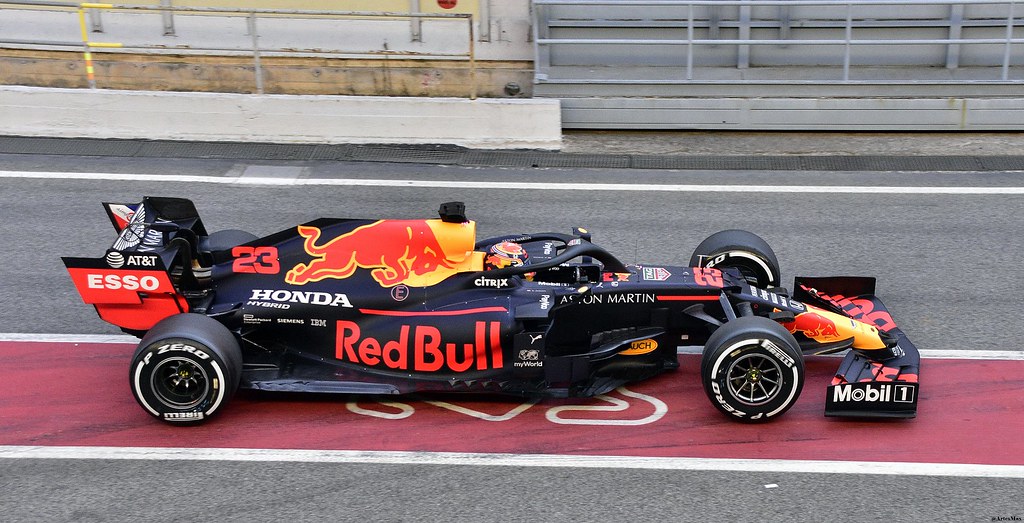
The most notable change in the AMR23 chassis involves a revised aerodynamic package. The upgrade focuses on optimizing the front wing design and incorporating new floor elements. The front wing has undergone a reshaping of its endplates and flaps to improve the airflow separation and ensure a more consistent aerodynamic load.
Teams often describe such changes in terms of vortex management and ground effect enhancements. The modifications include alterations to the bargeboards, which have been fine-tuned for better airflow toward the sidepods. They also introduced a more sculpted underfloor design aimed at increasing downforce while minimizing drag, essentially harnessing the car’s ground effect more efficiently.
These adjustments are rooted in improving the car’s balance, allowing drivers more control, particularly in high-speed corners. Engineers emphasize that even minor tweaks in aerodynamics can lead to substantial differences in a car’s handling characteristics on varied circuits.
SECTION 2: Intended Performance Impact
With this upgrade, Aston Martin is keen on achieving a more balanced car that maximizes tire performance over a race distance. The changes are aimed at enhancing mechanical grip, thus reducing the wear on tires throughout a stint, which is critical in race scenarios where tire conservation can dictate strategy.
While no specific lap time claims have been made – a customary approach to avoid premature expectations – the team’s engineers are optimistic that these changes will yield improvements in consistent lap times. The hope is to improve the car’s predictability, which can enhance driver confidence and enable more aggressive racing lines.
SECTION 3: Competitive Context
In the broader competitive landscape of the 2023 F1 season, Aston Martin has faced tough challenges. The upgrades place them in a tight battle with mid-field contenders like McLaren and Alfa Romeo, who have also been significantly revamping their setups. The competitive midfield has seen rapid development, with teams like McLaren capitalizing on their updates to gain crucial points.
This upgrade is an essential move for Aston Martin to close the gap and potentially reclaim their earlier-season form where they were consistently challenging for points. The team needs to ensure that this development translates into tangible results, especially with rival teams experimenting with their setups.
SECTION 4: Season Implications
Aston Martin’s decision to invest in this aerodynamic enhancement reflects a strategic direction toward an aggressive development cycle. With the 2023 season nearing its final stretch, the emphasis on aerodynamic efficiency also indicates how resources are being allocated for future performance improvements.
The successful implementation of this upgrade could bolster confidence within the team and among their sponsors, proving that the AMR23 can be a viable contender. Conversely, continued struggles might prompt deeper introspection about the car’s fundamentals as they prepare for the rules and regulations set to change in the upcoming seasons.
SECTION 5: What to Watch Next
As the team heads into the Japanese Grand Prix, the focus will be on validating the performance of the upgrades in a race scenario. This circuit presents a unique challenge with its technical corners and varying elevation changes, making it an ideal environment to test the new aerodynamic characteristics of the AMR23.
Post-race data will be crucial. Observations on tire performance, handling characteristics, and lap consistency will provide critical insights into whether this upgrade has delivered on its promises.
Additionally, as the season progresses, fans should keep an eye on how Aston Martin adapts its strategy concerning development race-by-race, especially against the backdrop of Audi’s impending entry. The balance between immediate performance and long-term development is a delicate one that shapes the future of the team.
In closing, what do you think is the most critical area for Aston Martin to focus on if they want to continue competing in the midfield pack?
